Bridges to Prosperity (B2P)
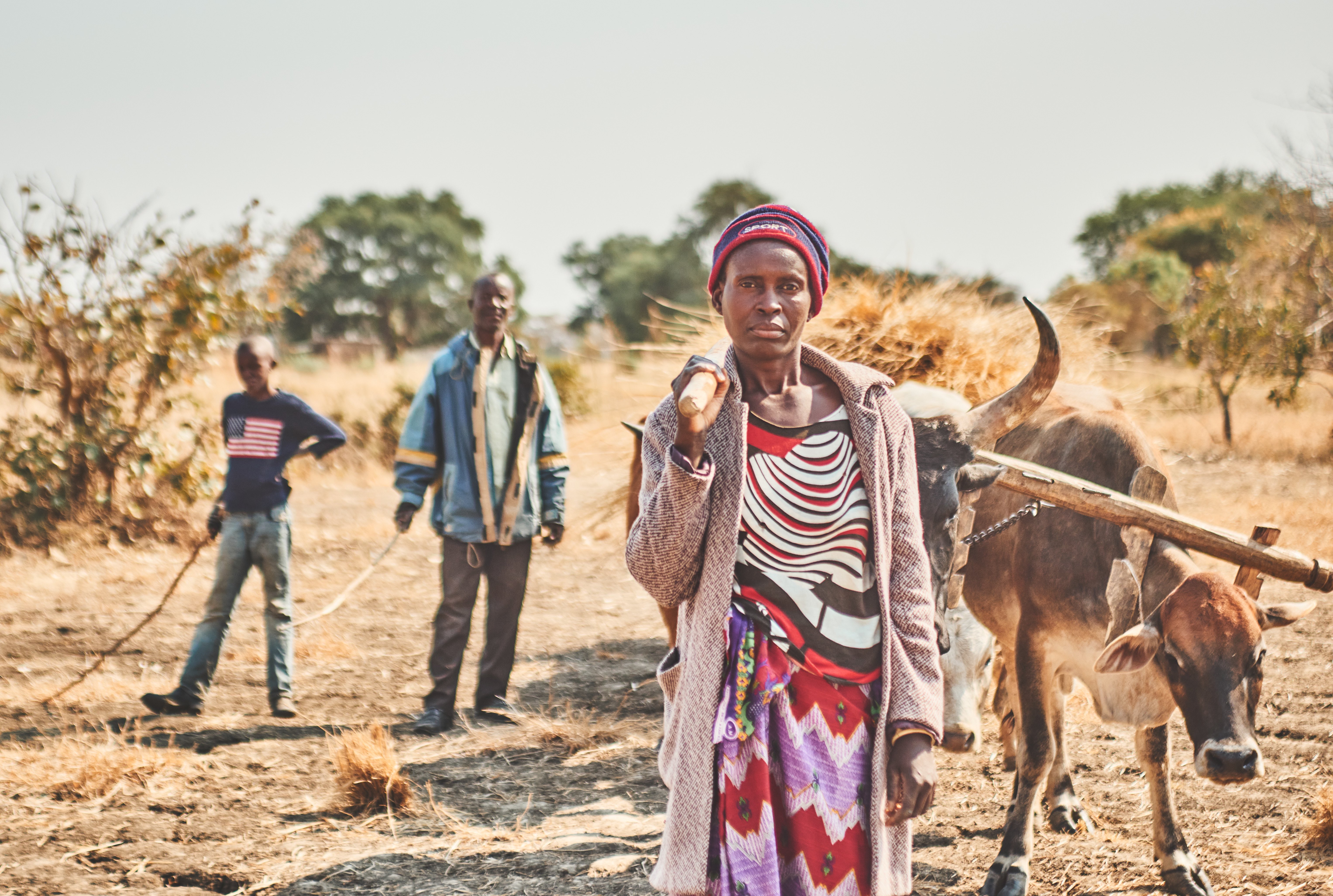
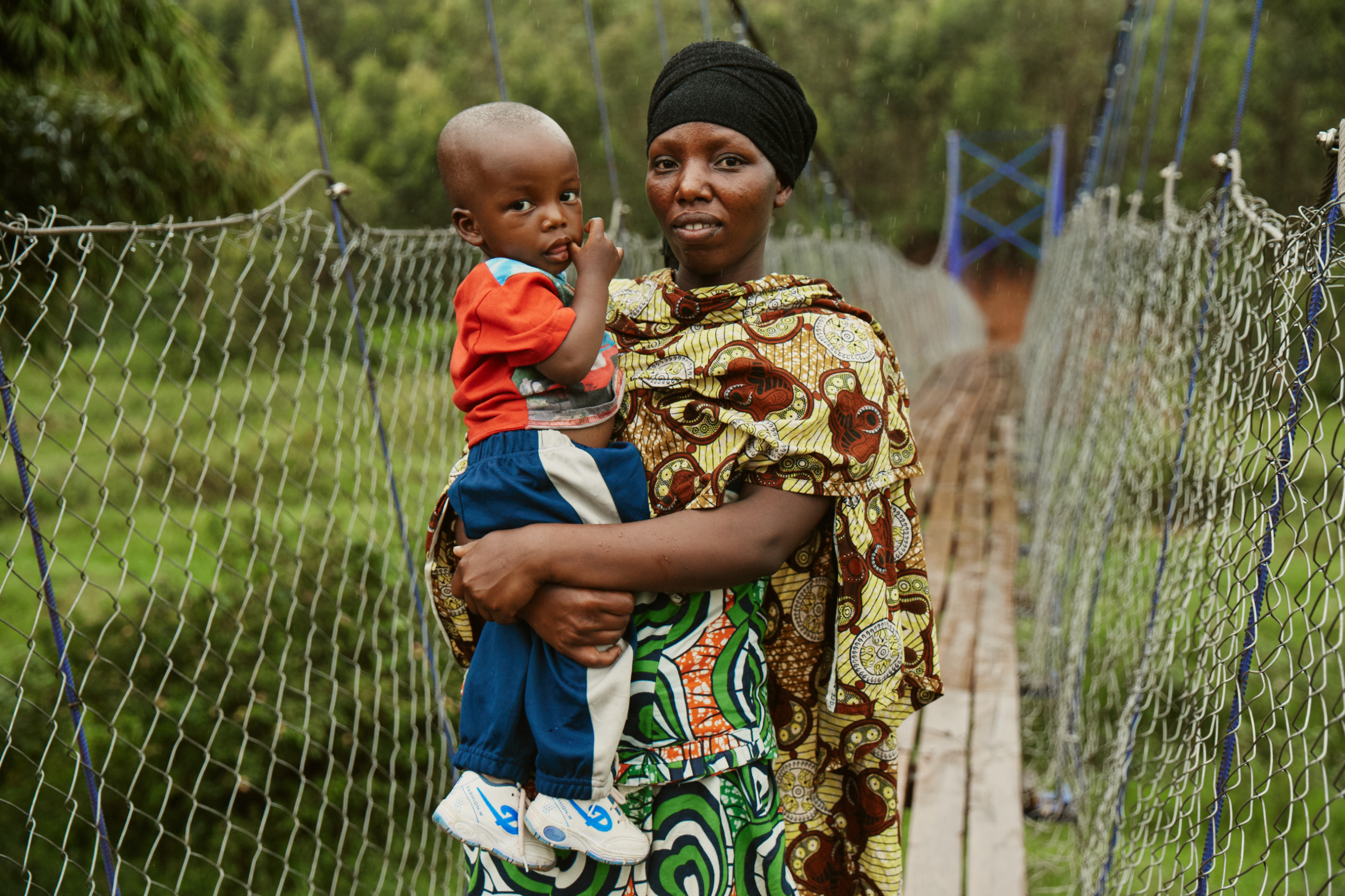
More than a billion people live in villages that can only be reached on foot. An uncrossable river or deep gorge can cut them off from healthcare, education, and livelihoods.
The Idea
Last-mile Trail Bridges


Total Investment
2350000
Grants
0
Equity/SAFE
0
Debt/Convertible Debt
Funded Since
2019
Geography
Sector
Structure
The Mission
Prosperous rural communities.
How It Works
The Bridges to Prosperity (B2P) approach gets the right bridge built in the right place in the right way. They created standardized bridge designs, and sophisticated AI mapping and planning tools to determine highest-impact locations. They ensure proper construction and create innovative ways to get bridges financed.
The Dream
Governments in Africa pay for and build trail bridges where they're needed most.
Why We're In
A new study shows that a trail bridge, which lasts 40 years, is an infrastructure bargain. In terms of increased incomes, it pays for itself in less than two years. B2P connects 1.5 million more rural people each year, but far more important is their effort to get governments to do it themselves. So far, Ethiopia, Uganda, and Zambia are building bridges and footing an increasing share of the bill.
Delivery
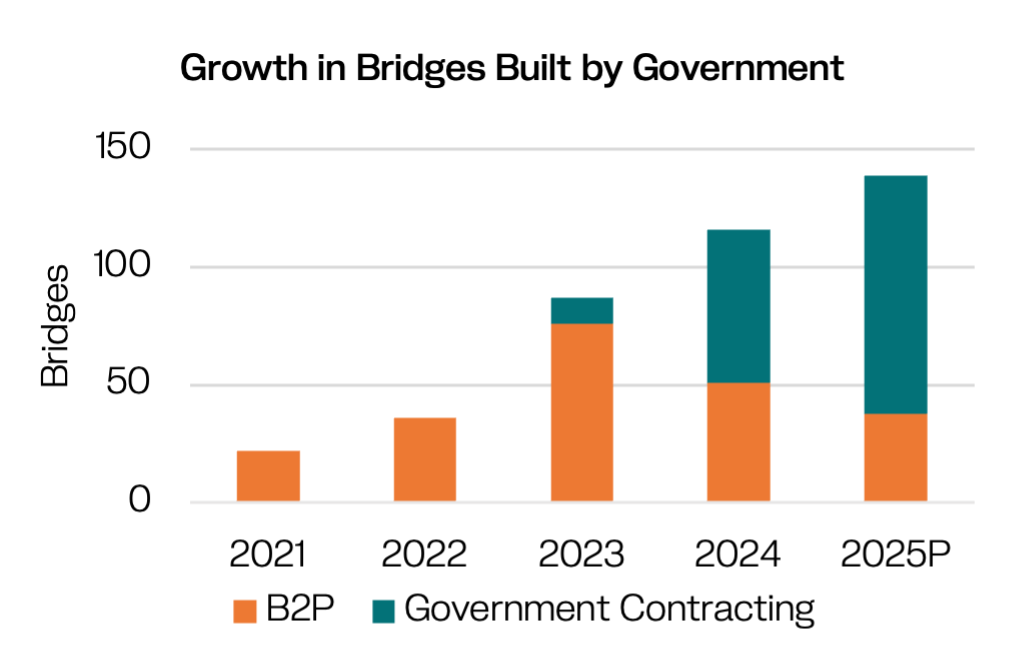
Over time, governments have increasingly taken over bridge construction and payment – more than half the bridges built in 2024 were built by governments.
The Model
A solution that works and can scale.
Site
Pinpoint locations with the highest impact potential through state-of-the-art mapping and tech
Design
Standardize bridge designs to ensure longevity and easy construction
Finance
Ensure the right procurement laws and resources are in place
Build
Create procedures to ensure that local builders achieve quality and safety standards
Maintain
Develop protocols for systematic inspection and repair
Potential for Impact at Scale
Mulago uses four criteria to gauge potential for exponential impact. The model must be:
This is about impact. In a rigorous quasi-random matched cohort study in Nicaragua, bridges resulted in a 36% gain in annual labor market earnings, 75% increase in farm profits, 29% increase in household income, and the elimination of negative effects of floods on household income. They also have RCT results from Rwanda coming soon that look very promising, showing that bridges increase people’s spending power.
This is about scope. A lack of safe access to transportation infrastructure is a root cause of poverty for ~1 billion people globally. For this to work, there needs to be rural isolation caused by impassable rivers and gorges, a government interested in eradicating it, and sufficiently skilled construction and design subcontractors in any given country. B2P has successfully replicated across diverse country contexts, including Ethiopia, Rwanda, Zambia, Uganda, demonstrating this model can work broadly across Africa.
This is about whether governments can own bridge construction. National governments in Ethiopia, Uganda, and Zambia are increasingly taking ownership of trail bridge construction by managing the building process via private contractors and paying the cost of construction. To further support full transition to national ownership and strengthen in-country capacity, B2P has set up training centers in each of these countries and developed tools, like Fika Map , to streamline the site selection and maintenance process. However, trail bridge maintenance continues to lag as governments aren’t yet taking responsibility for long-term upkeep.
This is about whether national government can pay for bridges. It costs $80-120k to build a trail bridge depending on bridge size and country context. There are early signs that governments can pay up to 80% of the cost. In Ethiopia this is already happening, and currently any new trail bridge construction is being done by the private sector and paid for by the government. In Uganda and Zambia, it’s unclear what percent of the cost these countries will pay in time, but they’re steadily gaining traction.
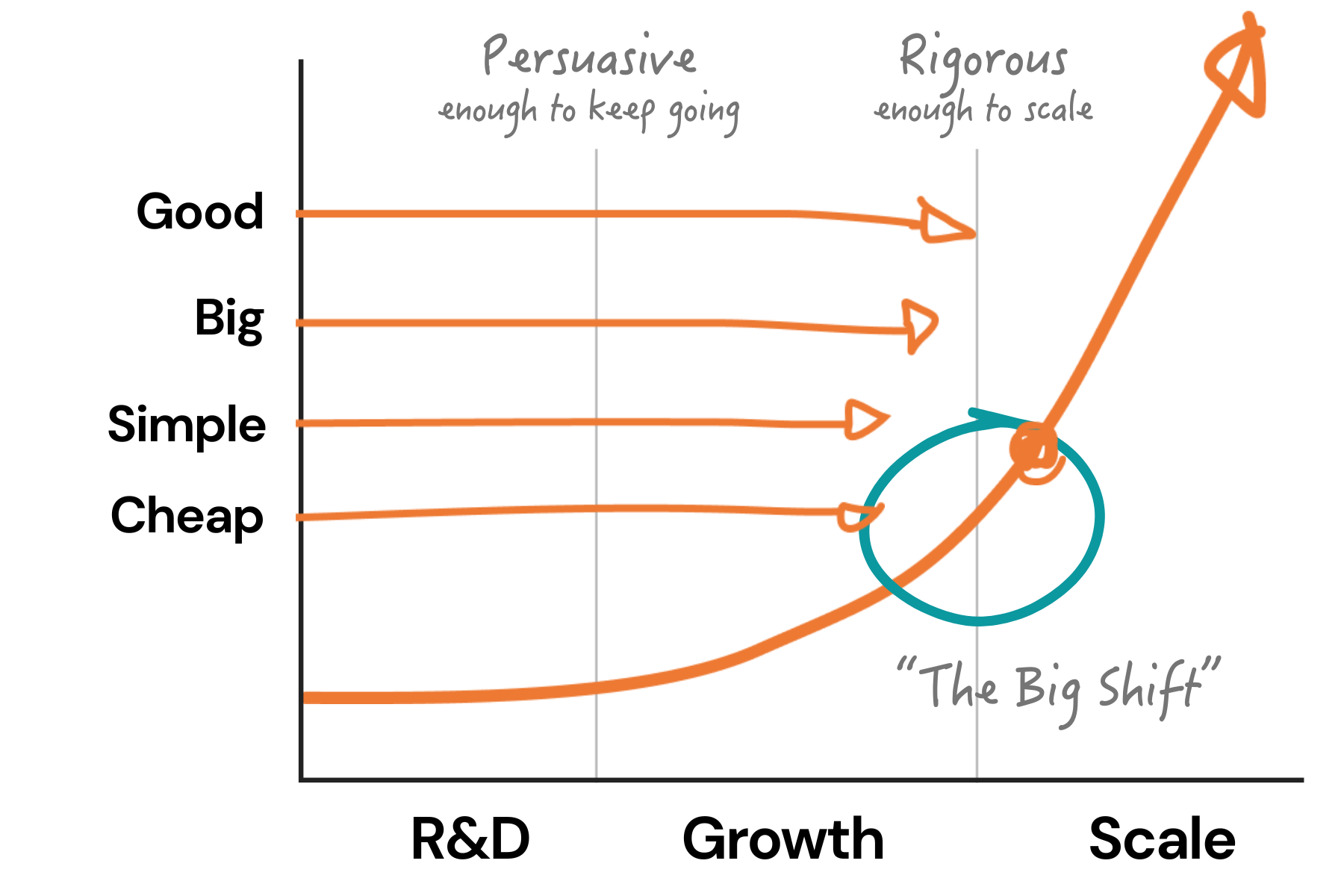
B2P is well on the pathway to scaling.
Our Take
B2P have rigorous evidence that trail bridges improve the lives of rural communities. Their progress in Ethiopia, Uganda, and Zambia is proving that governments can take ownership of bridge development and pay for it. In Rwanda, national adoption has stalled as government continues to rely on NGOs, but it remains an important “innovation lab” for B2P to continue to evolve and test new ideas and research. The national training centers they’ve set up in each country help ensure the right capabilities exist to construct trail bridges, and B2P has developed national standards and manuals they’re working with governments to adopt. They’re now exploring further expansion via partnerships in new countries.
Are you a serious funder and want to learn more?
This is just a snapshot of what we know about the organization. If you're an investor or funder that might send some serious dough their way, we're always delighted to share more. Reach out and we'll connect you with the right person on our team.
*this is not monitored for funding requests.