Conserve Global
A lot of land in Africa is ostensibly protected via concessions and community conservancies, which create crucial landscape connectivity between national parks. But, too many fail because people can’t make a decent living on them.
The Idea
Community-led Landscape Rehabilitation
Fellow
Andrew Parker
Mulago Lead
s



Total Investment
1000000
Grants
0
Equity/SAFE
0
Debt/Convertible Debt
Funded Since
2022
Geography
Sector
Structure
The Mission
Healthy ecosystems.
How It Works
Conserve Global finds concessions and conservancies that link and buffer national parks but are struggling. They set up community tenure and governance and co-develop management plans. From that solid ground, they get revenue flowing into the community by stacking revenue from a variety of sources like carbon deals, eco-tourism, and high-value products.
The Dream
Conservation NGOs support community-led conservation across a portfolio of connected, resilient landscapes in Africa with revenue flowing to these landscapes from market-based nature payments.
Why We're In
Conserve Global has pulled together a systematic model from the best of many community-centered approaches. They’ve quickly established well-chosen pilots covering ~11K km2 in seven key landscapes increasing connectivity beyond national parks. They’ve developed partnerships with the right organizations and have demonstrated the strategic and problem-solving chops to overcome obstacles time and time again. This is a modern and much needed take on the conservation agreement approach to community stewardship.
Delivery
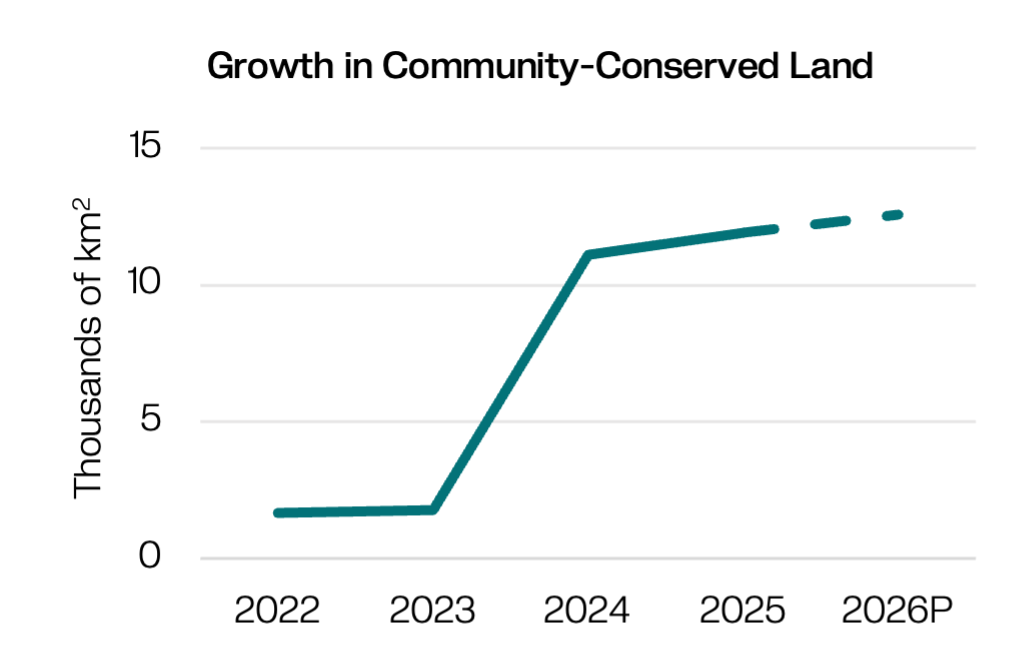
Conserve Global has quickly established itself as a trusted partner across major African savanna biomes. They’ve grown the number of sites they’re working in across Africa as well as the amount of land they oversee within a given site. While they have grown significantly since 2022, the next few years will be focused on deepening their engagement in the sites where they have a presence rather than continuing to grow their footprint.
The Model
A solution that works and can scale.
Landscapes
Find concessions and conservancies could work but fall short today.
Structure
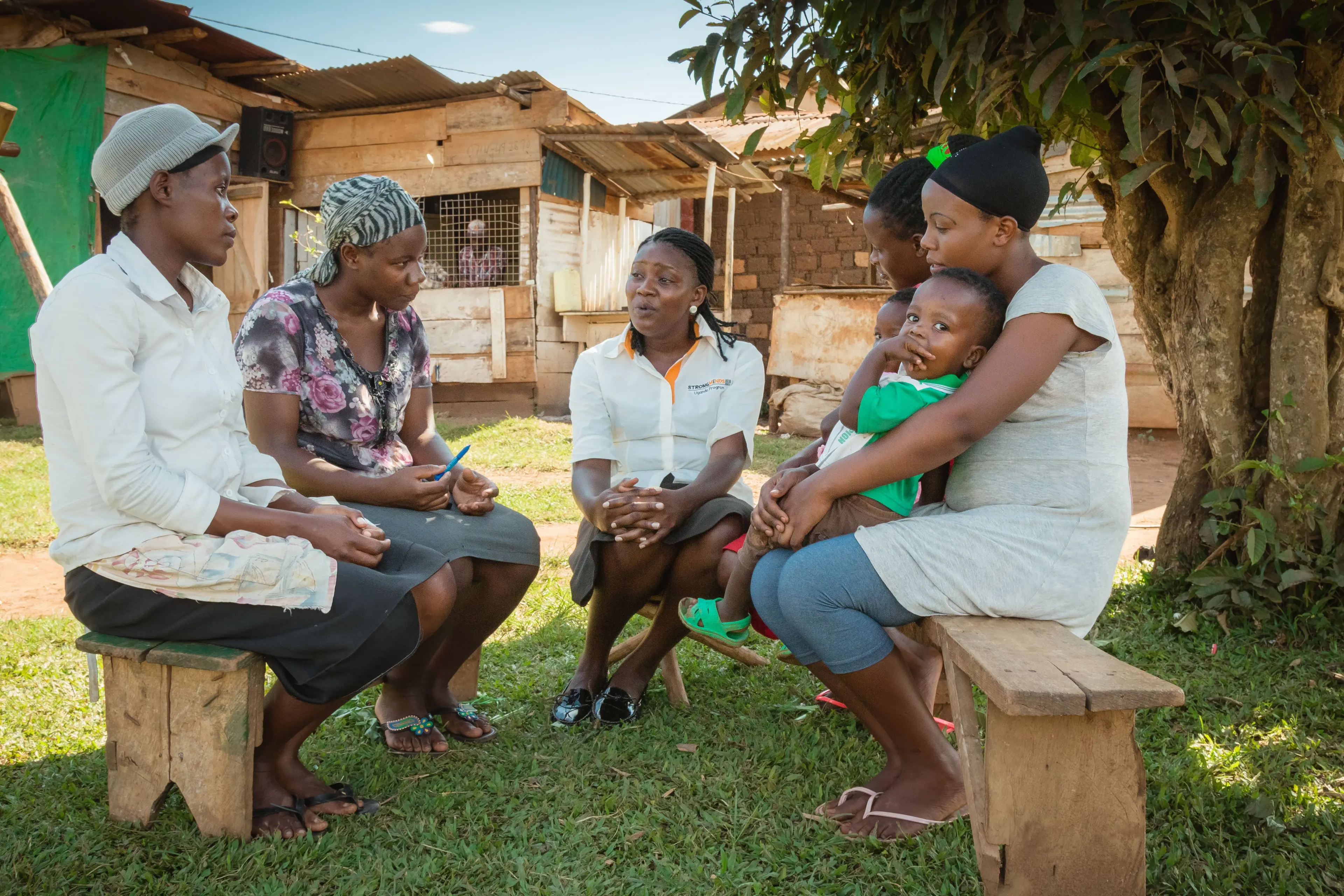
Establish community tenure and set up governance for ownership of delivery and oversight.
Management
Develop a plan for what is needed for landscape management and deliver on it.
Livelihoods
Generate revenue via nature-based financing and deliver community benefits.
Potential for Impact at Scale
Mulago uses four criteria to gauge potential for exponential impact. The model must be:
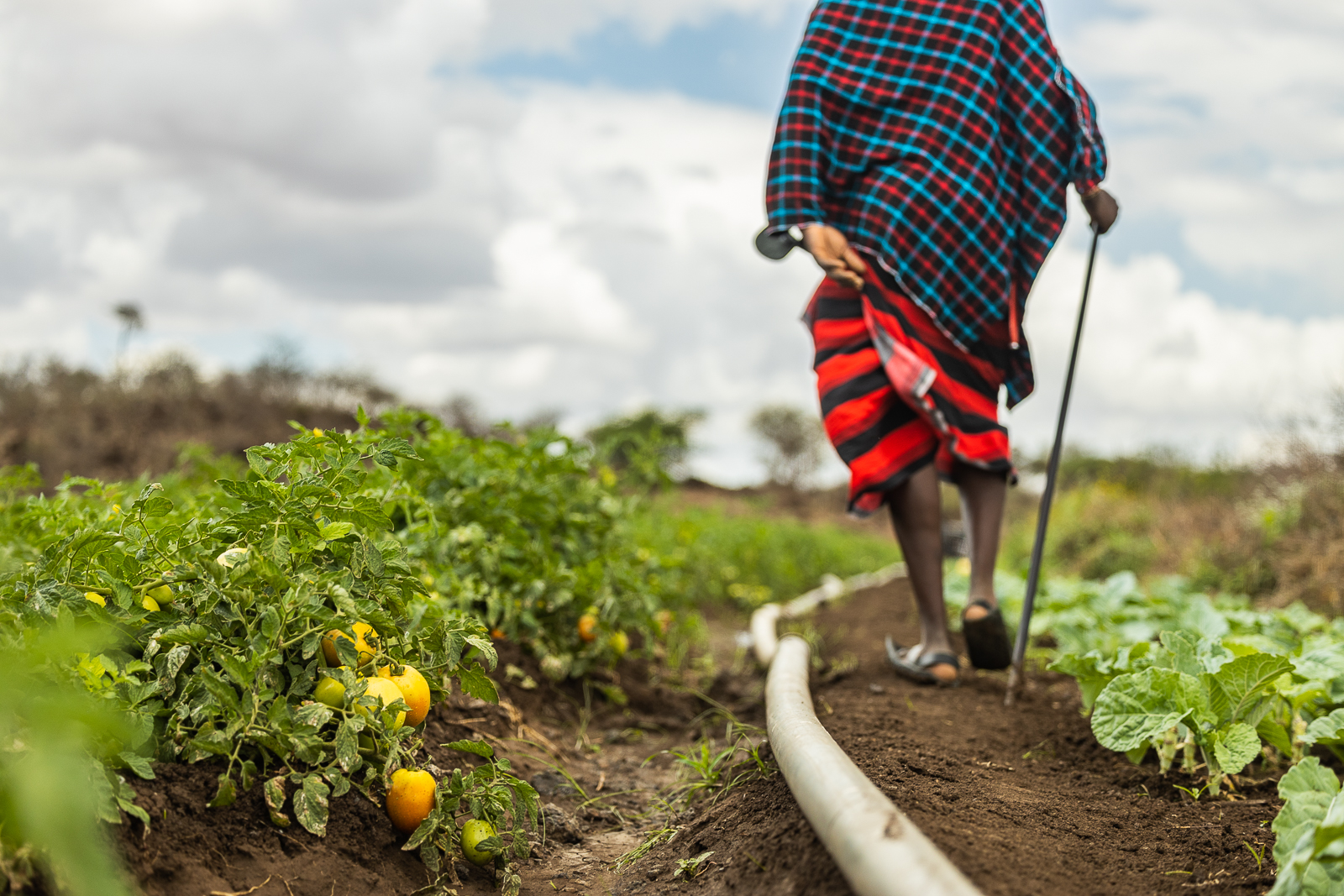
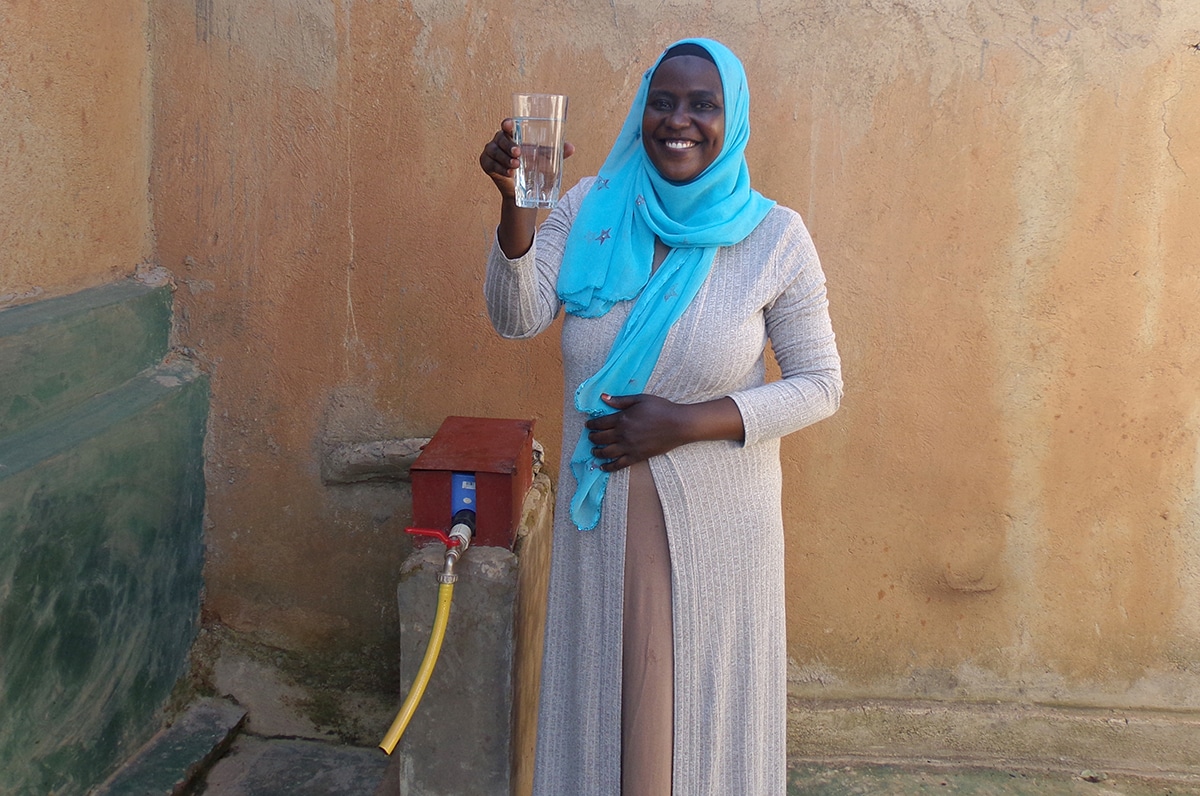
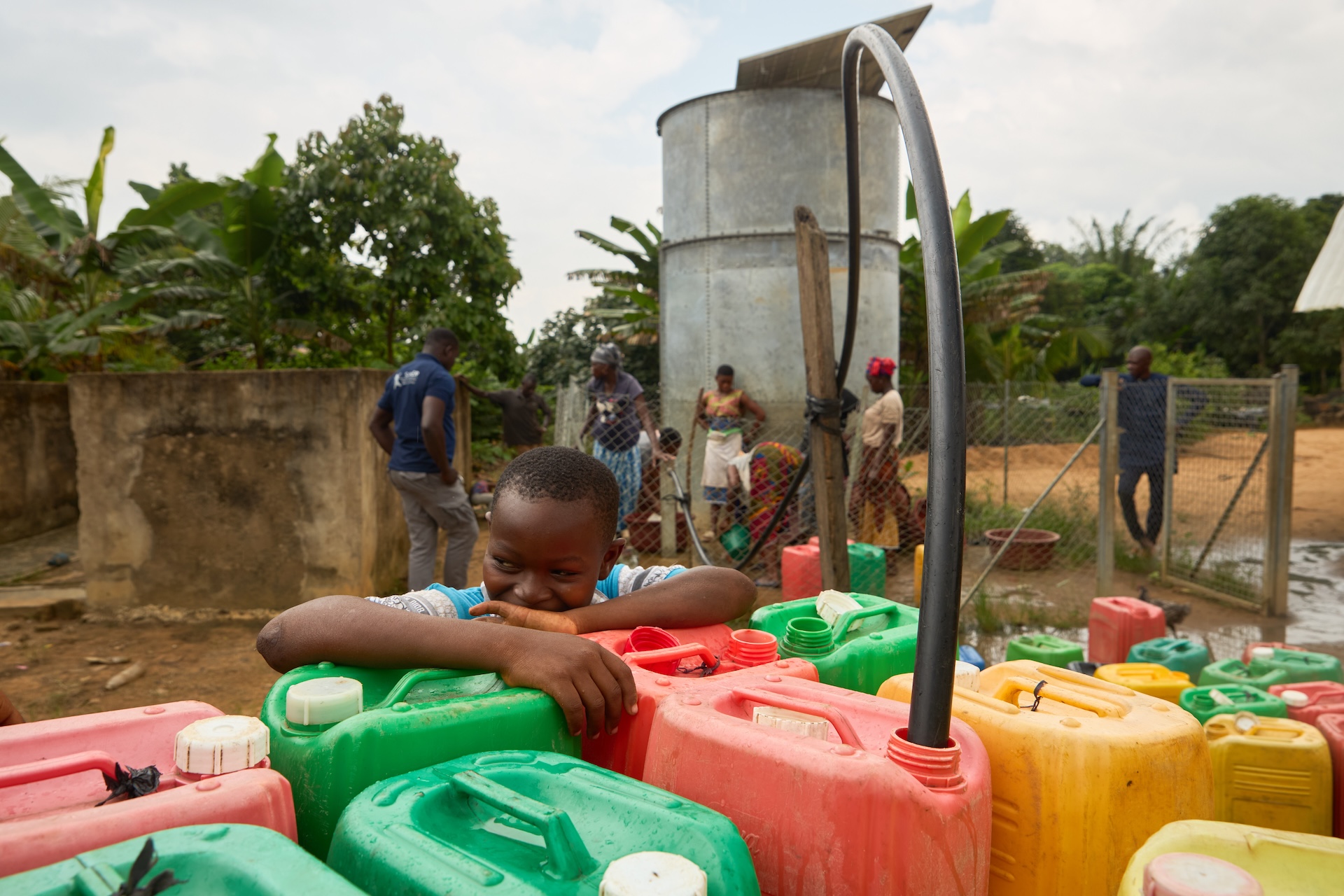
This is about impact. Their current portfolio totals 11,922 km2 under improved management. It’s too soon to know what effects are attributable to Conserve Global, but they’ve laid the groundwork, including establishing baselines. They’ve made meaningful progress setting up community management plans and robust monitoring systems. They’ve also delivered community benefits like repairing water infrastructure, fencing community gardens to prevent damage from wildlife, peace-building and conflict resolution activities, etc.
This is about scope. Savannas are a critical landscape in Sub-Saharan Africa, and Conserve’s model can work across a wide range of savanna profiles. Two of the most variable but essential components of this model are land tenure and revenue. Without solid tenure and reliable revenue, this model doesn’t work. There is no one-size-fits-all approach to either, so Conserve has tailored their approach across landscapes, each one offering new insights on approaches that may or may not work.
This is about how easily other NGOs can replicate Conserve’s model. While community-led conservation exists in many parts of Sub-Saharan Africa, making it work in any given landscape is complex. Conserve has several partnerships in each landscape to address the unique needs of each landscape. That said, they’re already implementing the model across land area the size of Hawaii.
This is about the marginal unit cost to deliver. It costs Conserve ~$2.33/ha/year (based on internal modeling) to deliver this solution. Once Conserve establishes a footprint in a landscape, they expect to expand their management services and support up to 4X in that landscape, and they predict, with economies of scale, their costs go down to ~$1/ha/year. Since their goal is to move to a market-based approach for financing via nature credits, the current cost is already cheap enough given the range of prices for carbon credits.
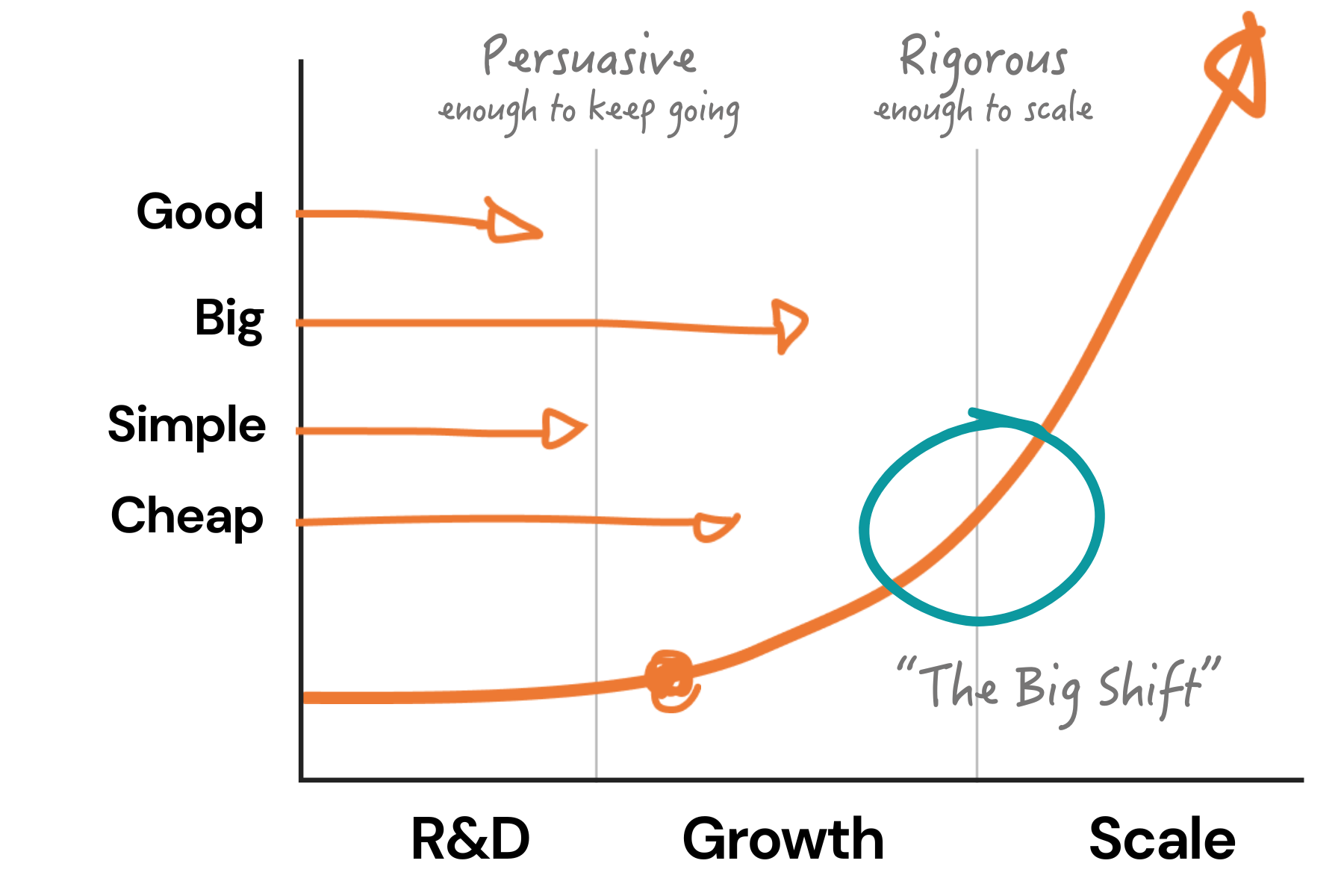
Conserve Global are out of R&D and on the cusp of growth.
Our Take
While Conserve Global does not have rigorous impact data yet, there is plenty of evidence showing, if done right, community-led conservation is effective. Showing ecological improvements will take time, but they’ve set rigorous targets, established baselines, and have the right systems to monitor progress. There is a huge need to secure connective corridors, and Conserve has traction across many critical landscapes. For now, Conserve is testing what it takes to deliver different elements of the model and what partnerships make sense. Their unit costs are quite low and continue to decrease as their footprint in a landscape grows.
Are you a serious funder and want to learn more?
This is just a snapshot of what we know about the organization. If you're an investor or funder that might send some serious dough their way, we're always delighted to share more. Reach out and we'll connect you with the right person on our team.
*this is not monitored for funding requests.