Intelehealth
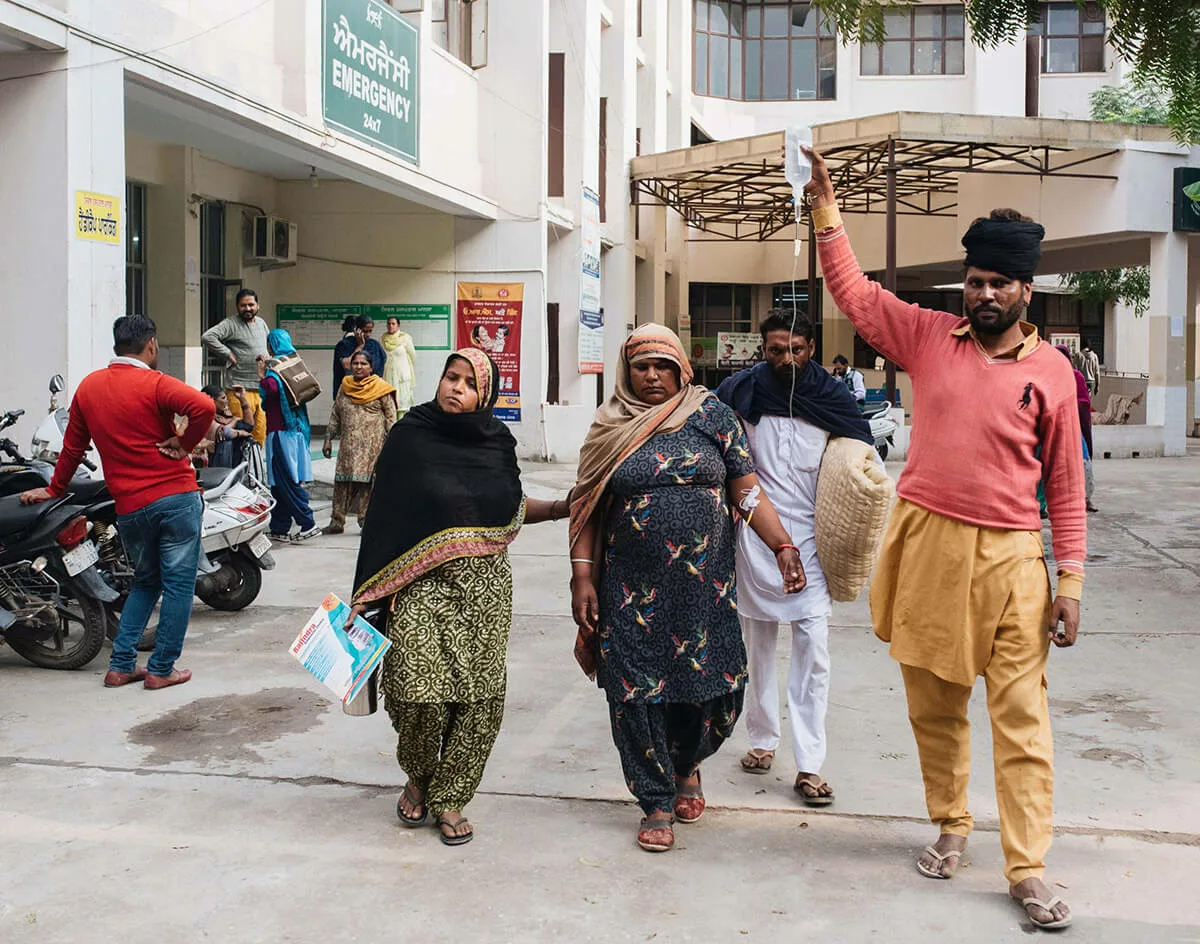
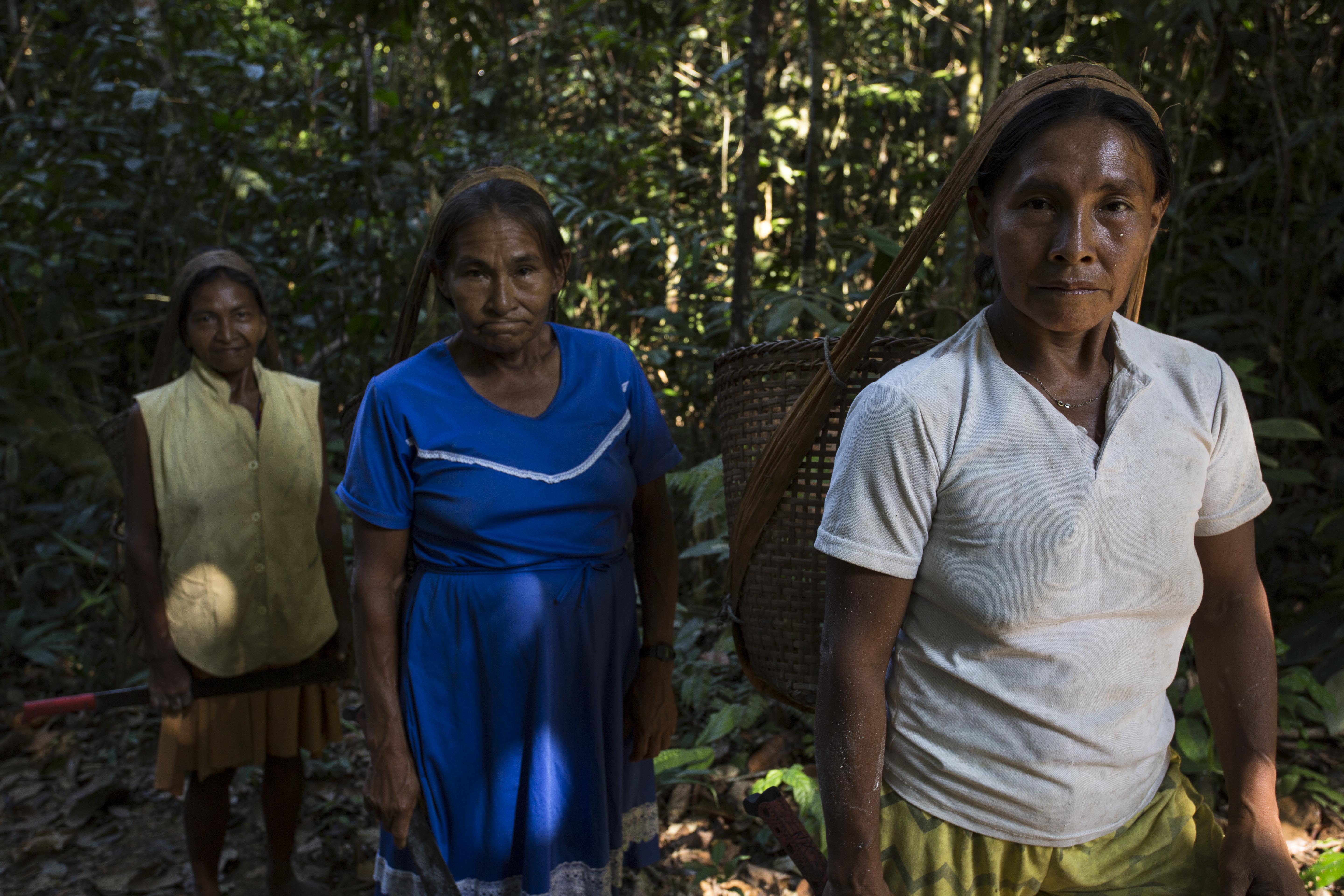
Half the world’s population cannot access healthcare when and where they need it at a cost they can afford.
The Idea
A Smart Telemedicine Platform
Fellow

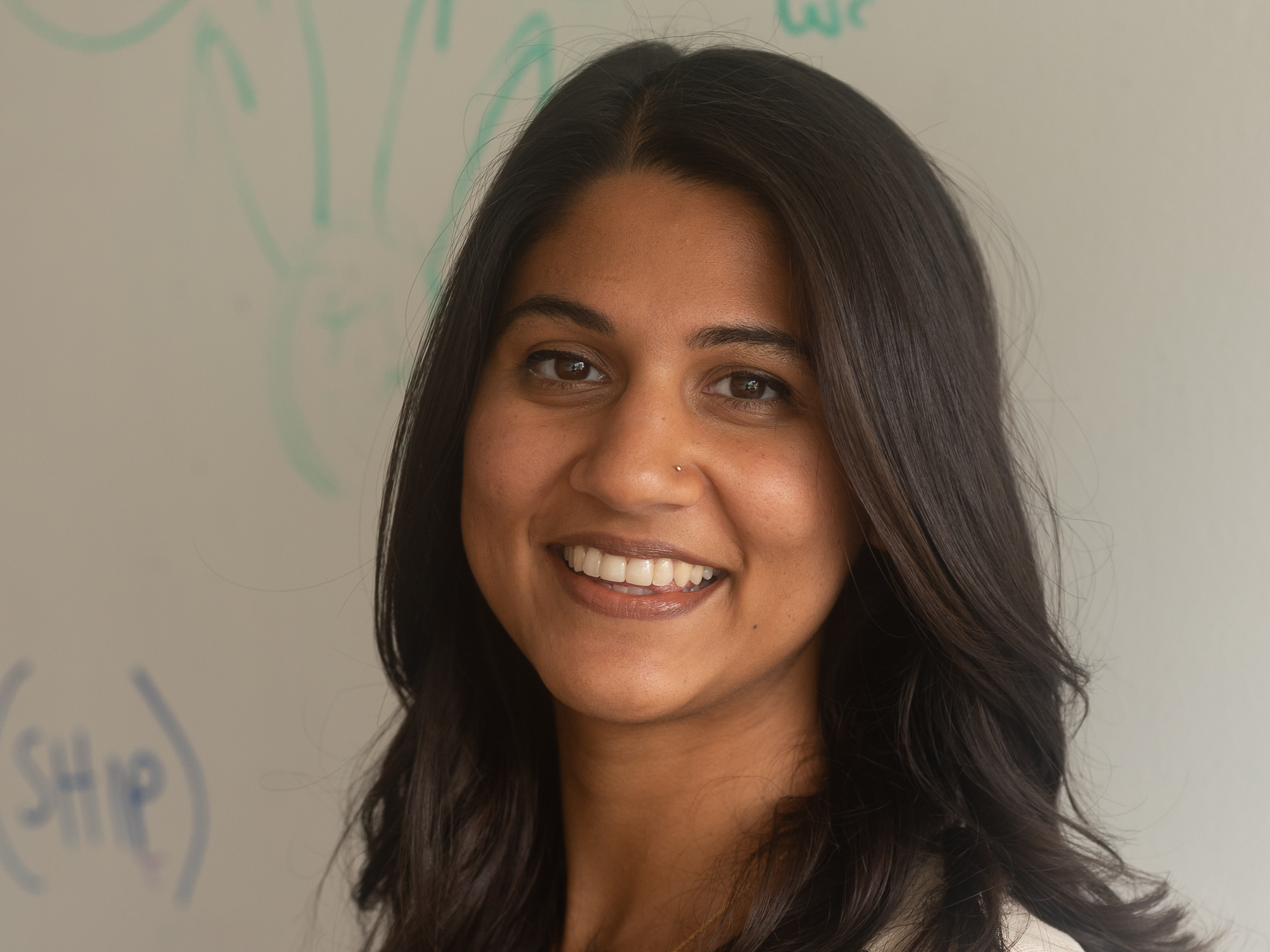
Neha Verma
Mulago Lead
s


Total Investment
2100000
Grants
0
Equity/SAFE
0
Debt/Convertible Debt
Funded Since
2019
Geography
Sector
Structure
The Mission
Better health outcomes where there are no doctors.
How It Works
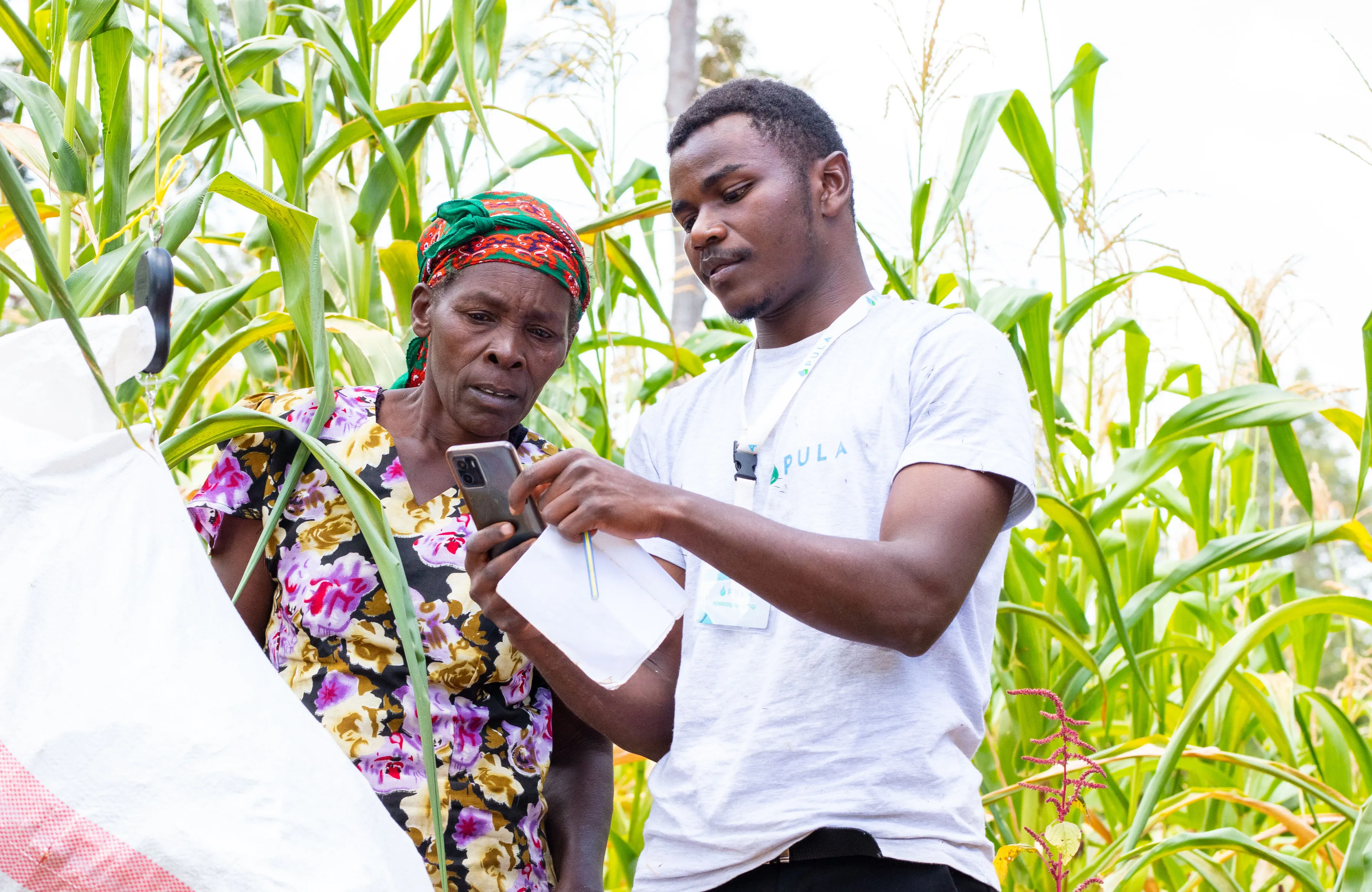
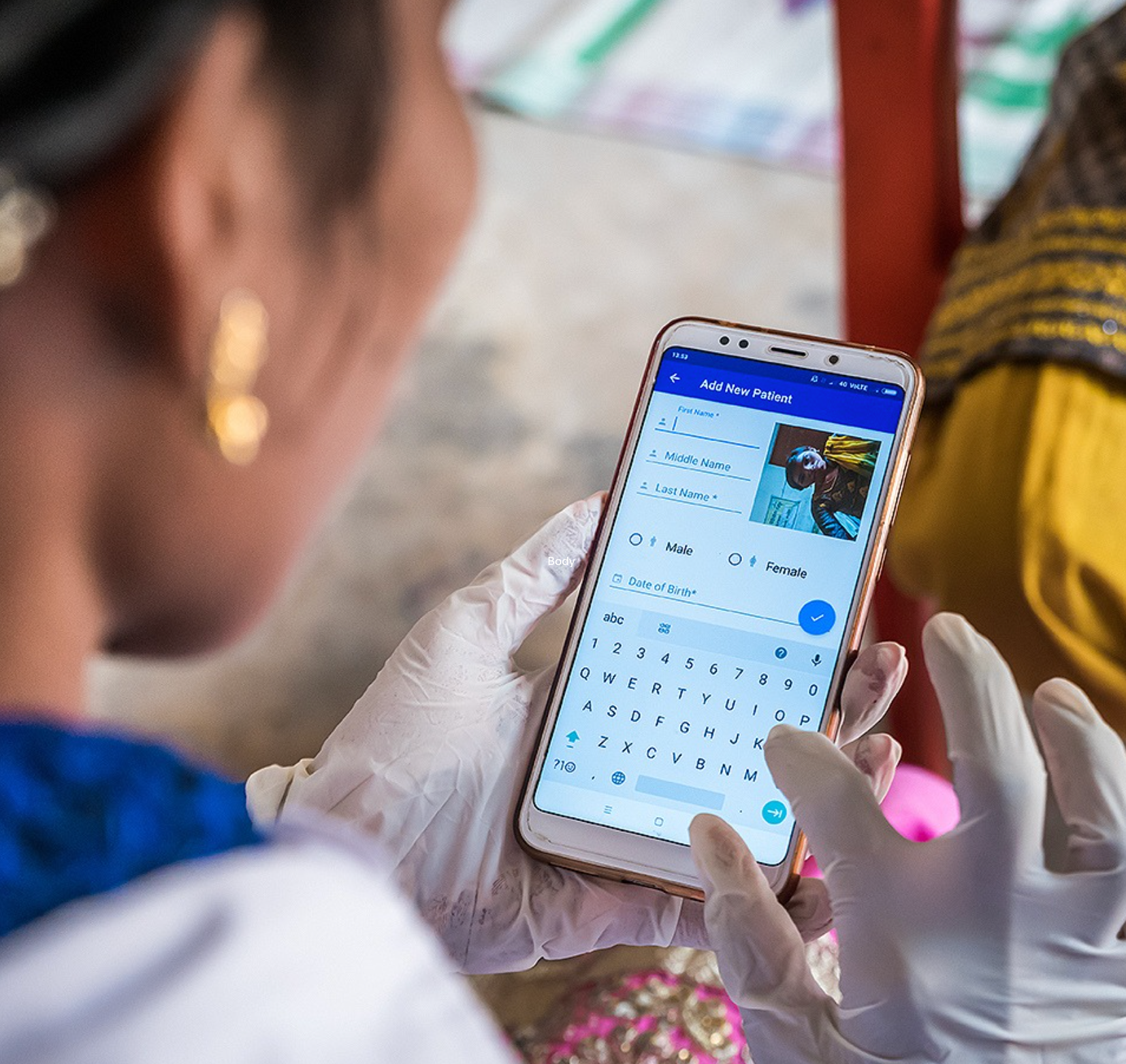
Intelehealth’s telemedicine platform connects rural patients to urban doctors via virtual tele-consults. Health workers use Intelehealth's smart digital assistant—a tablet with diagnosis/treatment-guiding software—to do an initial work-up, then they facilitate a virtual consult between the patient and the doctor.
The Dream
Governments adopt and pay for Intelehealth's telemedicine platform at national scale.
Why We're In
They have strong momentum despite annual consults declining as they double down on quality (e.g., increase time spent per consult). Intelehealth is a leader in the digital health industry. They recently launched an RCT to rigorously measure telemedicine’s impact on patient outcomes, built a leading open-source software any government can use, and now guide telemedicine deployment standards across Southeast Asia as a technical collaborator to the World Health Organization’s Southeast Asia Regional Office. In India, Intelehealth operates across three states now transitioning to government ownership. In Kyrgyzstan, they’re active in a fifth of all health facilities.
Delivery
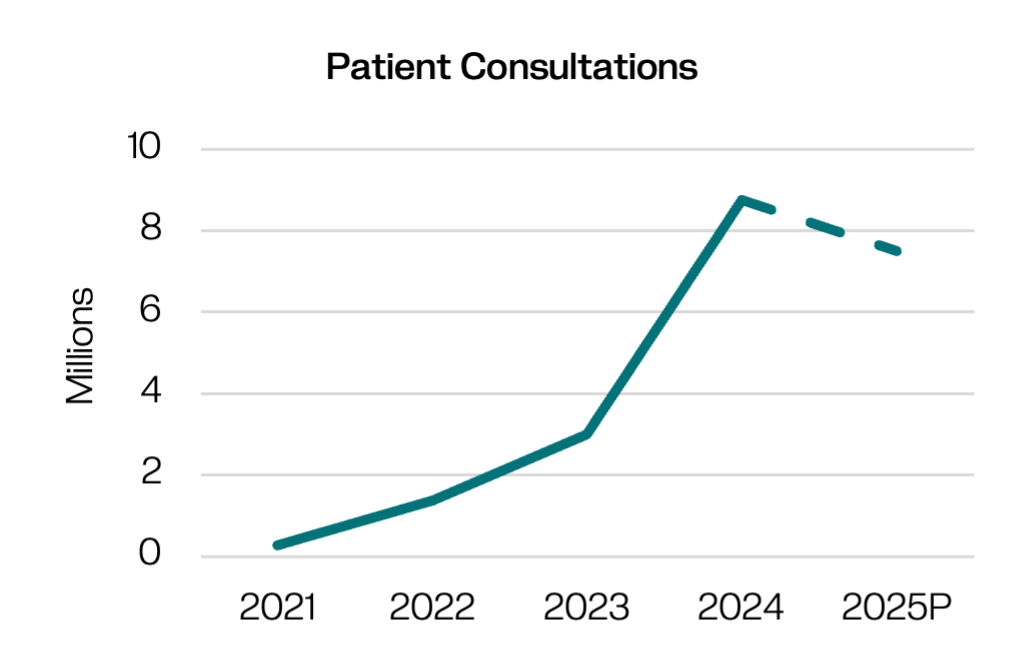
Uptake of Intelehealth’s solution has grown quickly, mostly driven by their work in India. They expect a slight decline in annual consults as they tighten quality control.
Impact
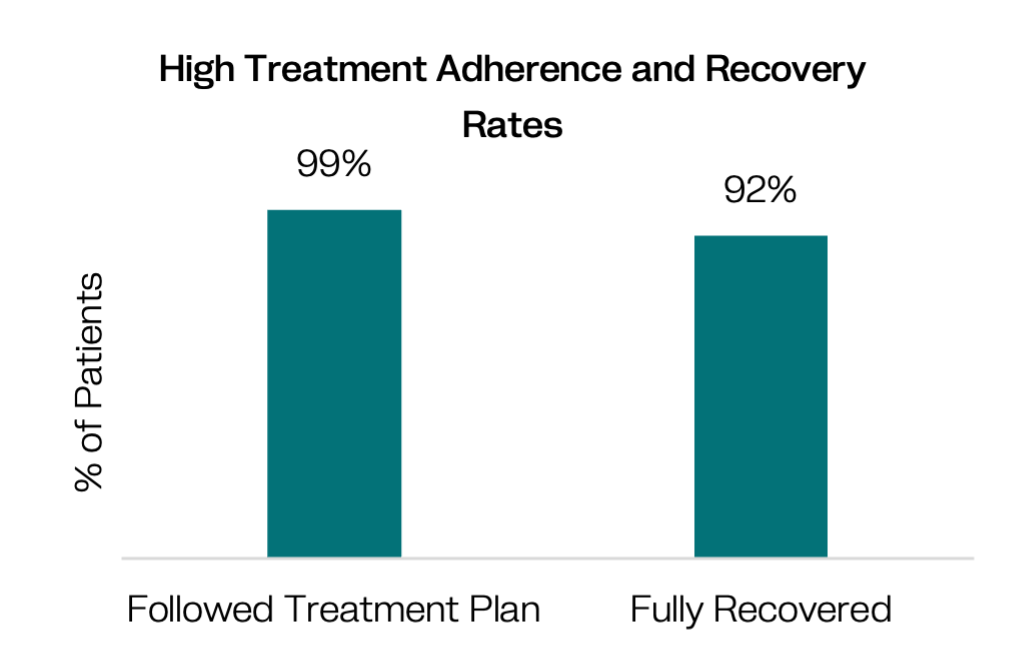
An internal follow-up study (no comparison group + self-reported) shows that patients in Nashik who used telemedicine adhered to treatment plans and almost all fully recovered.
The Model
A solution that works and can scale.
A Smart Digital Assistant (Ayu)
AI-enabled software to guide clinic health workers to better diagnoses faster.
Technology for Effective Tele-consults
The right software and hardware for “Health Provider-to-Health Provider” (P2P) and “Direct-to-Patient” (D2P) tele-consults.
Quality Assurance
A streamlined methodology to screen, train, and supervise tele-consult doctors and clinic workers
Potential for Impact at Scale
Mulago uses four criteria to gauge potential for exponential impact. The model must be:
This is about impact. The best impact indicator is patient health outcomes, which Intelehealth does not have rigorous evidence of yet. However, internal studies show ~10-20% of people would not have received any kind of healthcare were it not for telemedicine. And there’s high concordance (80%) between a telemedicine consult and a high-quality, in-person doctor visit. They’ve also conducted an internal, follow-up study (no comparison and self-reported data) that shows 92% patient recovery on average, and 83% of patients with conditions that required treatment fully recovered. They have an upcoming RCT that will have rigorous evidence of patient outcomes soon.
This is about scope. Intelehealth’s solution can increase access and improve health outcomes for ~500M people in India and 1.35B people across Asia who live in areas that meet the constraints. For Intelehealth’s solution to work, there needs to be an existing Frontline Health Worker network in the community, a pool of remote doctors, basic mobile internet connection and power, medicine availability, and at least a nascent telemedicine policy. Most major states in India meet these requirements, and Intelehealth’s expansion across other countries show there’s potential to scale beyond India as well.
Telemedicine software is inherently scalable—but only when designed and implemented right. India already had a national telemedicine platform, eSanjeevani, but usage was low. Intelehealth improved the software and helped the government roll it out effectively across public clinics—usage skyrocketed from 50 teleconsults/mo. to 50K teleconsults/mo. Their software is a digital public good, meaning any government can adapt it to its own context. The harder challenge is implementation. As Intelehealth exits the three Indian states where they’ve scaled up, they’re creating tools and materials to support smooth government handover and sustained adoption.
This is about the ability for governments to pay. The current estimated cost per consultation for primary care for government to deliver this at scale in a state is $3.40. At scale, government pays for ongoing equipment upgrades and all operating expenses while philanthropy pays Intelehealth for ongoing software customization.
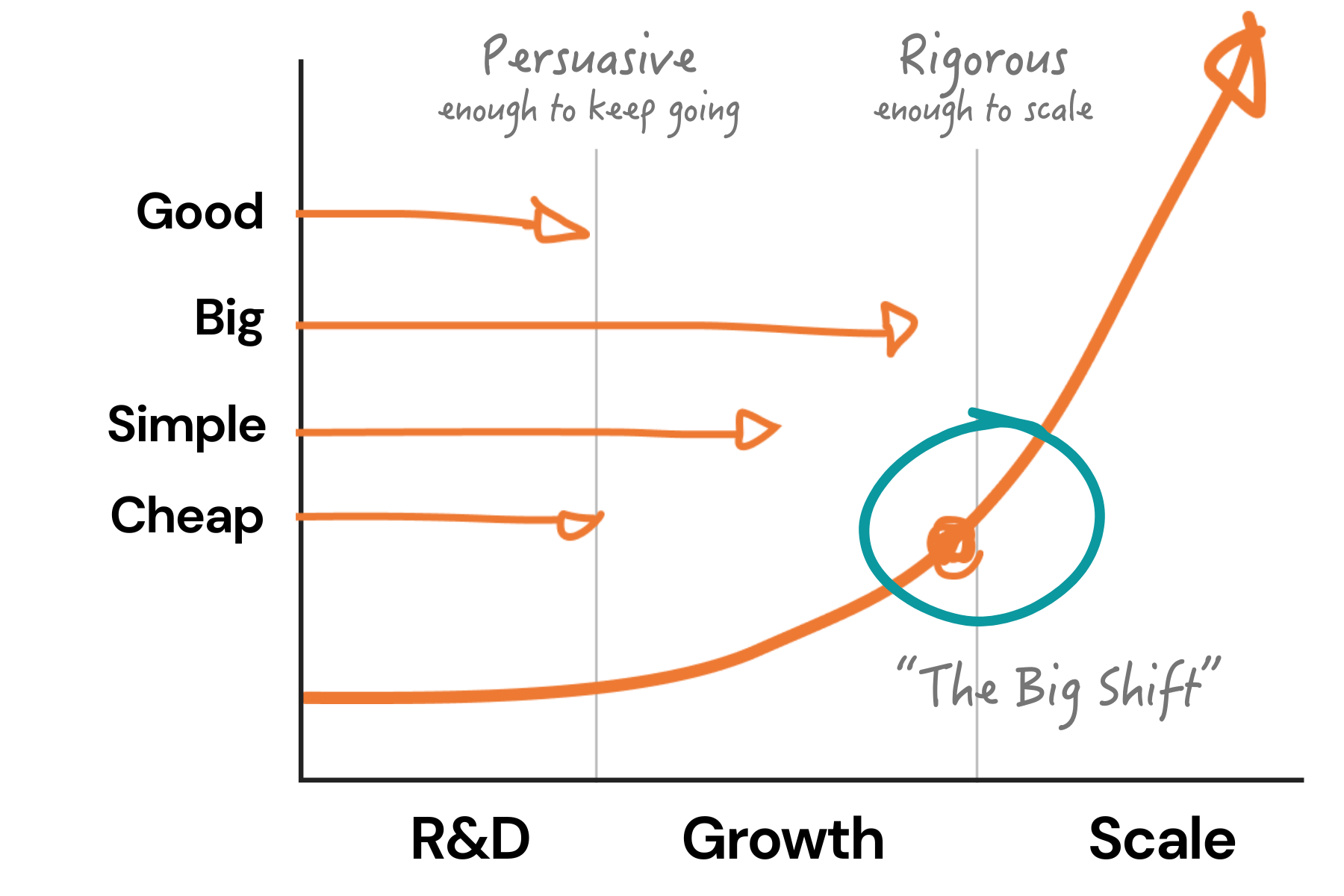
Intelehealth’s evidence on good enough is persuasive, but needs to catch up with their stage.
Our Take
We think they’ll get more rigorous evidence to match their stage with their upcoming RCT. There is a big need for this solution, especially in rural areas where access to care is limited. In India, this solution can mostly work nationwide, especially given the existing national telemedicine platform and policy. It’s also clear that the Indian government can deploy telemedicine software, but the government’s ability to manage ongoing implementation of statewide telemedicine programs remains a question. Their current costs are low, but there’s a big range, and they need to understand the true cost to government.
Are you a serious funder and want to learn more?
This is just a snapshot of what we know about the organization. If you're an investor or funder that might send some serious dough their way, we're always delighted to share more. Reach out and we'll connect you with the right person on our team.
*this is not monitored for funding requests.

.JPG)

.jpeg)