Kheyti
Smallholder farmers in India are stuck in poverty. Climate shocks and a lack of productive assets prevent meaningful change.
The Idea
Affordable Greenhouses
Fellow

Sathya Raghu Mokkapati
Current Leader

Kaushik Kappagantulu
Mulago Lead
s



Total Investment
1950000
Grants
0
Equity/SAFE
0
Debt/Convertible Debt
Funded Since
2018
Geography
Sector
Structure
The Mission
Protect and increase farmer incomes.
How It Works
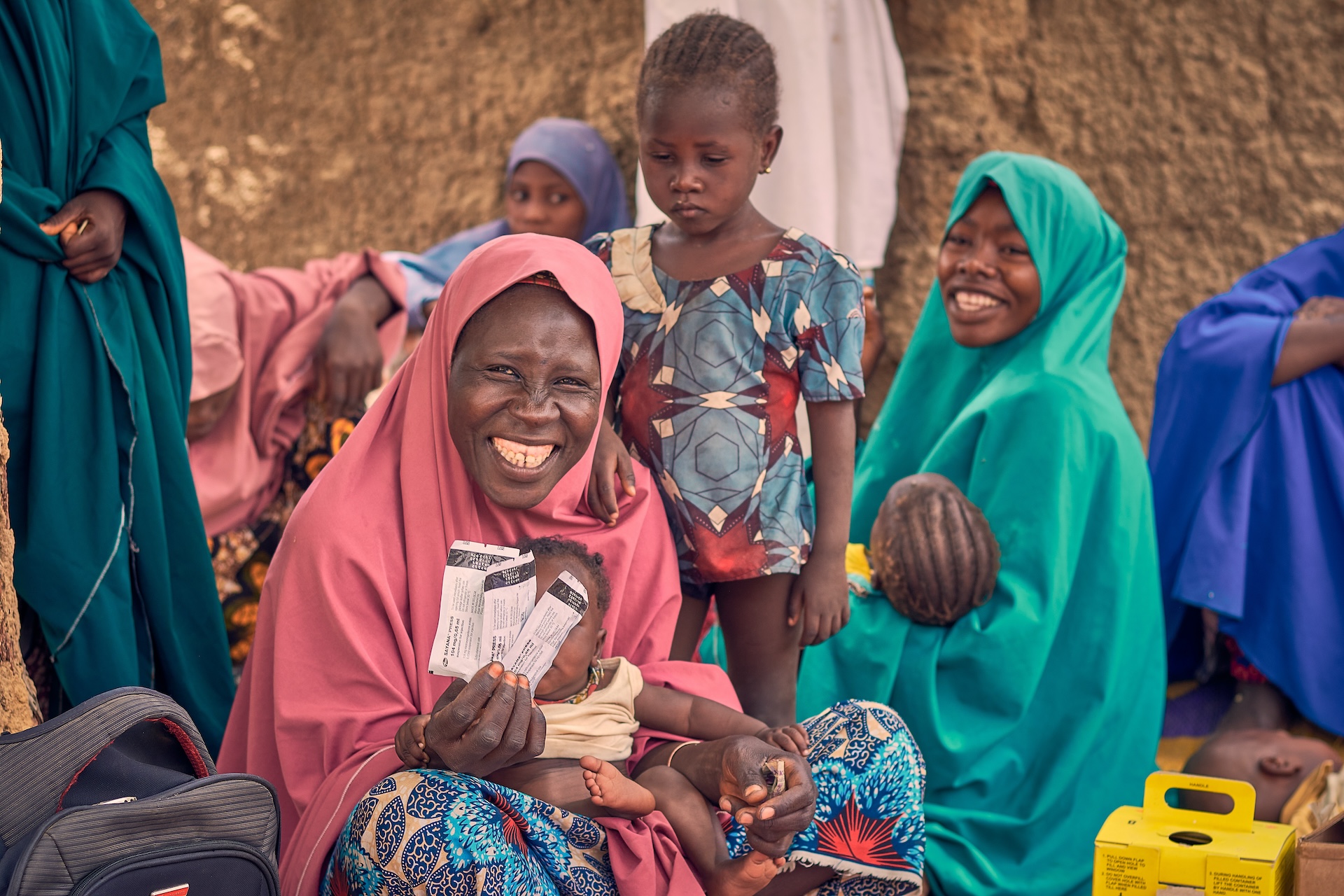
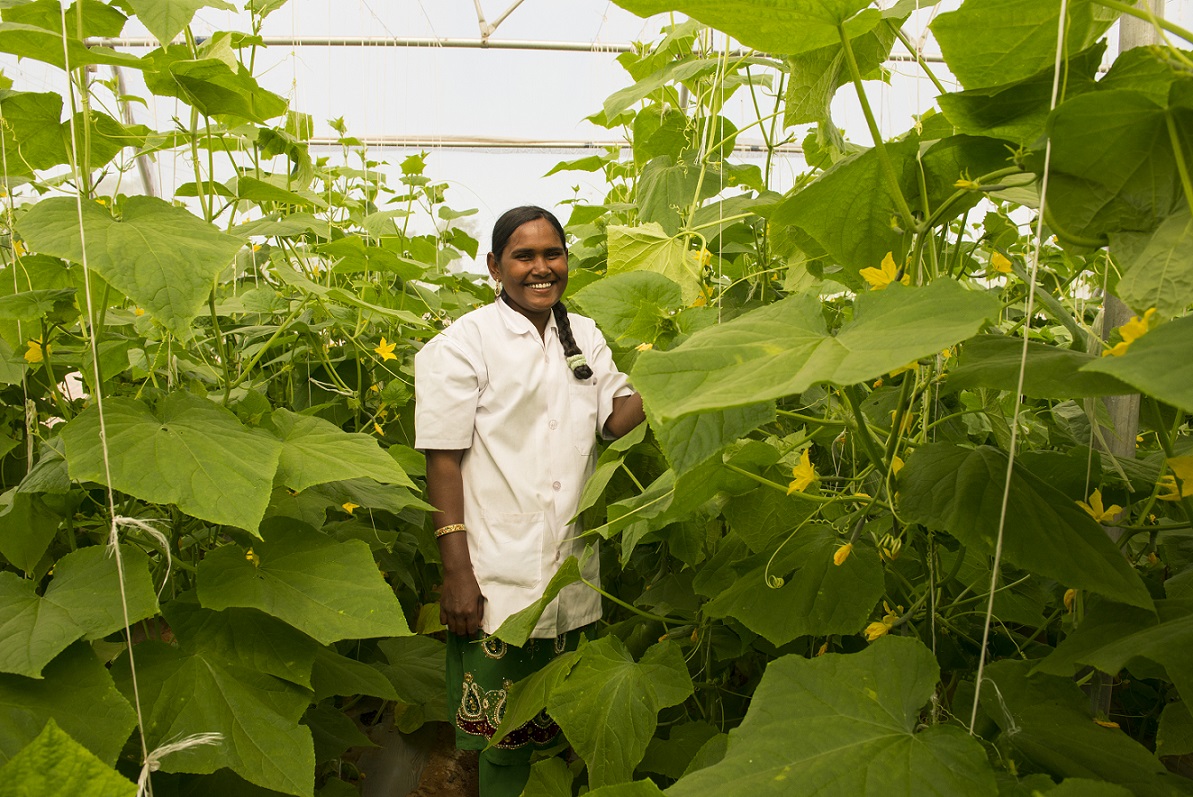
Kheyti designed a greenhouse for smallholders that increases crop yields and profits, while helping them use far less water and adapt to a changing climate. They design, produce, sell, and install greenhouses, and increasingly work with government to subsidize them for poor farmers. They provide services to help farmers maximize returns.
The Dream
An affordable greenhouse industry serving smallholder farmers across India and beyond, subsidized by governments where necessary.
Why We're In
Affordable greenhouses are one of the few promising agricultural innovations in a time of climate change and water shortages. Kheyti’s product is now more affordable, and a new study shows big income gains for farmers. There’s exciting traction with government to include greenhouses in existing agriculture subsidies, which is the path to scale. It’s been a long R&D journey, and this is the breakthrough Kheyti’s been working toward. Five states signed up to roll out the product this year and the central government has officially communicated interest to invest in this.
The Model
A solution that works and can scale.
Design
Low-cost greenhouse design: using widely available, sturdy materials (steel posts and plastic sheeting) that can be locally installed. Resistant to monsoon winds and rain.
Subsidized sales
Sell greenhouses to farmers at subsidized cost paid for by government agriculture infrastructure subsidy programs. Market via agri-dealers and farmer co-ops.
Training
Train farmers how to maximize greenhouse productivity, including shifting behavior towards 2-3 harvests per year.
Agronomy
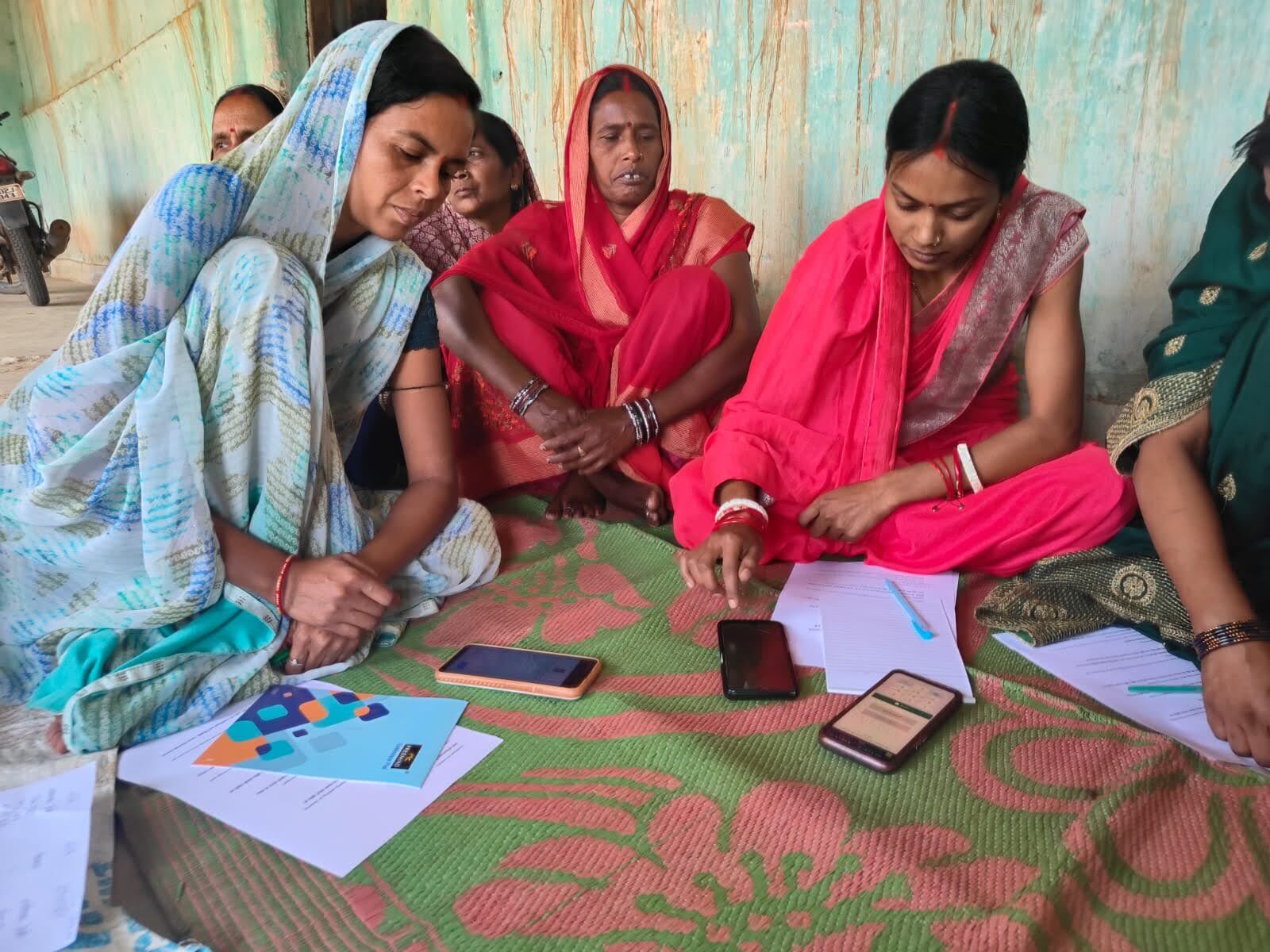
Ongoing agronomy support via mobile phone, focused on horticulture crops with high market value.
Potential for Impact at Scale
Mulago uses four criteria to gauge potential for exponential impact. The model must be:
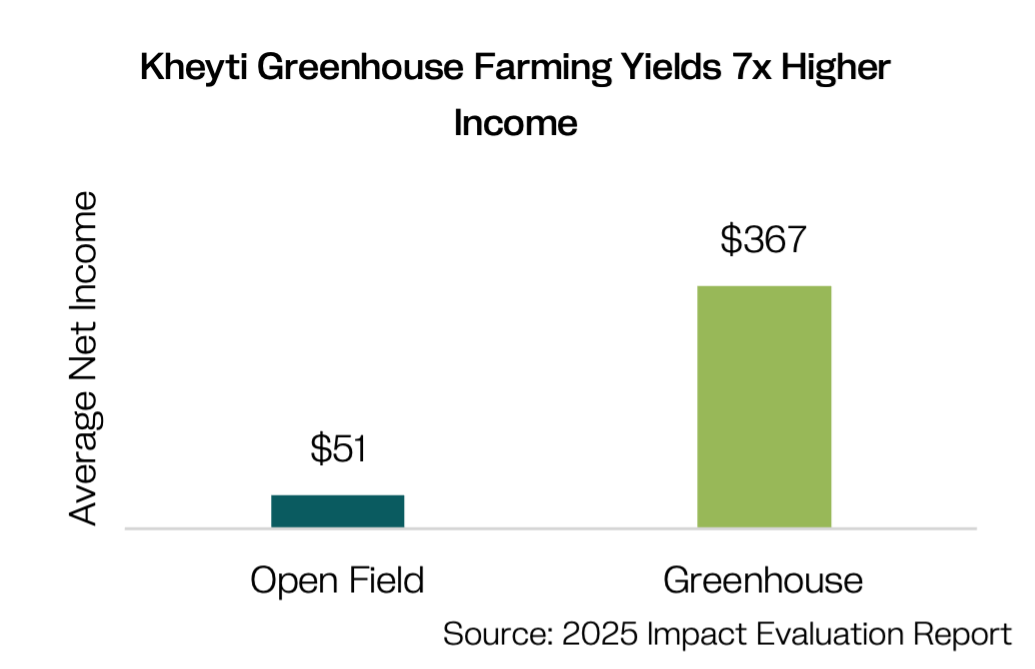
This is about impact and evidence. A recent third-party study found that Kheyti greenhouses are 7x more productive than open field farming – which is $314 more in income. The average farmer makes $450 / year, so this almost doubles their net income. However, this is skewed by the top 13% of farmers which make over $1,000 / year, and in general are wealthier to begin with. The study backed up Kheyti’s internal data. The biggest impact comes from farmers getting 2-3 harvests per year from the greenhouse, compared to a standard 1-2 harvests of open field crops.
This is about scope. India has 67 million smallholder farmers who could benefit from a greenhouse based on weather and crop conditions; Kheyti focuses on the 20 million “progressive” poor farmers who are entrepreneurial, own their land, and can invest in the future. Constraint: farmers need access to functioning local markets for higher-value horticulture crops, and the model doesn’t work for the very poorest smallholders without basic infrastructure.
Kheyti currently has replicated the model across eight major states, and installed all greenhouses through their team. The greenhouse is designed with widely available materials and can be installed in one day (but it does require concrete pouring for the steel posts). Agronomy services require 1-1 advisory and coaching, and they are aiming to make it low-cost and tech-first in the next 18 months. It still takes a lot to deliver this with quality at scale The product is profitable on paper with government support, but Kheyti is yet to show that other businesses and agri dealers will sell greenhouses independently. See below for how government policy can incentivize other businesses to replicate.
This is about what the model costs if delivered by government and businesses and whether they’re willing to pay. All-in per-farmer cost has fallen from ~$4,000 in FY22 to around $1,100 in FY26. The greenhouse capex + supply chain costs + customer acquisition costs are around $800. Farmers pay $200 and Government pays $700 – giving a $100 margin for Kheyti or other Doers at scale (expected to get better with volumes). Kheyti currently uses that $100 and an additional $200 in philanthropy to pay for advisory, government partnerships, technology investments and overheads.
.png)
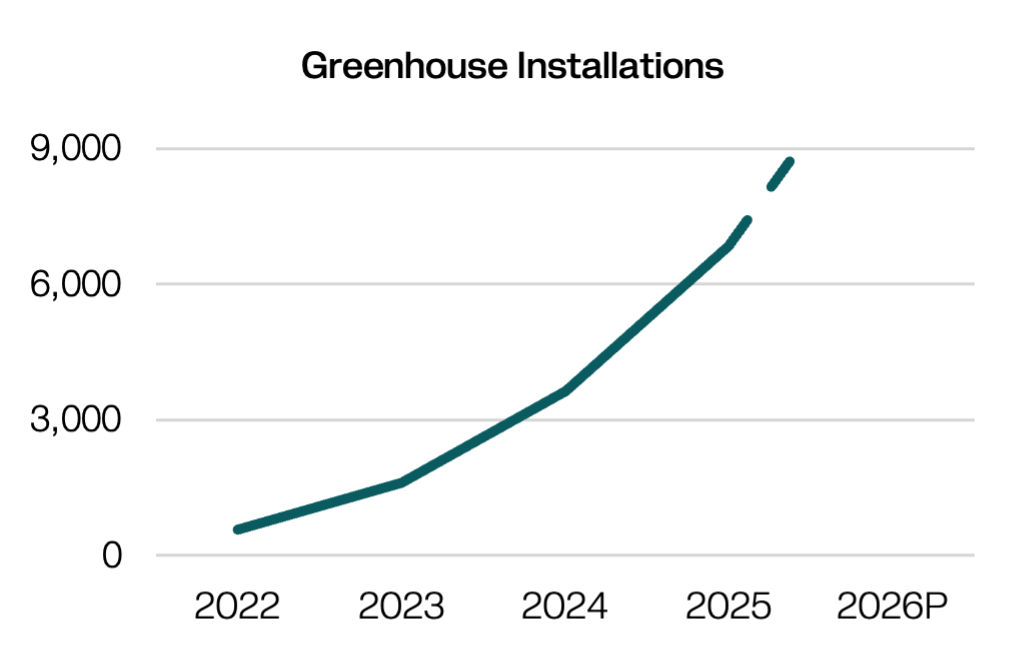
Kheyti is in Growth, transitioning from proving the model to deploying it themselves across eight states, and piloting deploying it through five state governments as their Payer at scale.
Our Take
Kheyti is in early Growth. The evidence is now persuasive, and the government subsidy unlocks a truly exciting scale strategy. The third-party study validated what they’ve thought all along, and aligns with what we’ve already known about greenhouses: they can be transformative. The study still suffers from some degree of selection bias as better farmers are more likely to adopt the product, which limits the size of the potential market to some extent. The model has gotten simpler over time, but providing 1-1 advisory services is hard to scale – it’s unclear how other businesses would do this, or if Kheyti will always be providing this service. It’s gotten a lot cheaper and still has some way to go, especially on sales cost and advisory service cost. The traction with government subsidy programs should help.
Are you a serious funder and want to learn more?
This is just a snapshot of what we know about the organization. If you're an investor or funder that might send some serious dough their way, we're always delighted to share more. Reach out and we'll connect you with the right person on our team.
*this is not monitored for funding requests.