Mafisa
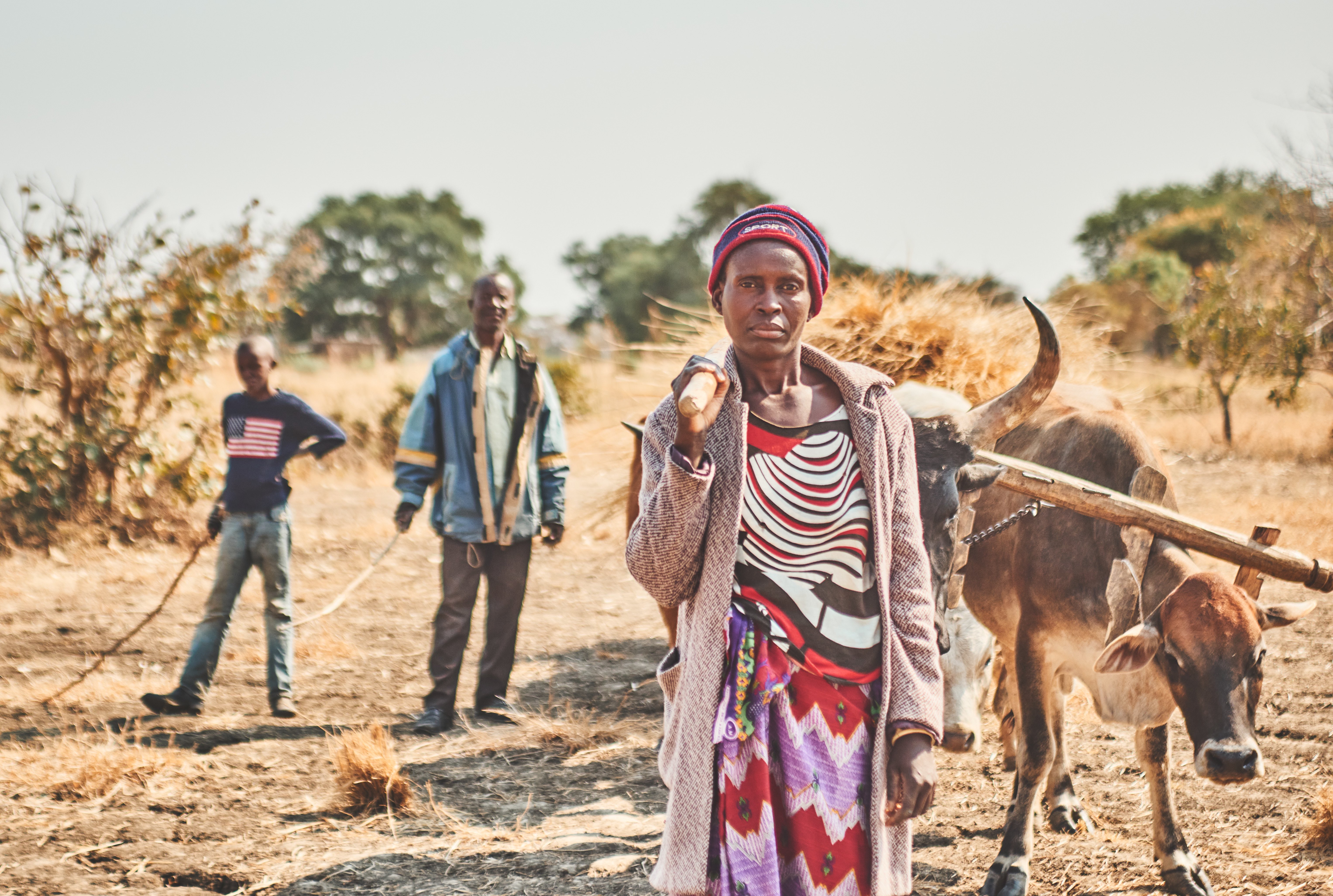
300 million African pastoralists eke out a living from small cattle herds. Without access to water, basic vet services, or sufficient grass, most animals die before sale—and there’s little incentive to manage grazing. The result is a vicious cycle of grassland degradation and poverty.
The Idea
Wrap Around Services for Pastoralists
Fellow
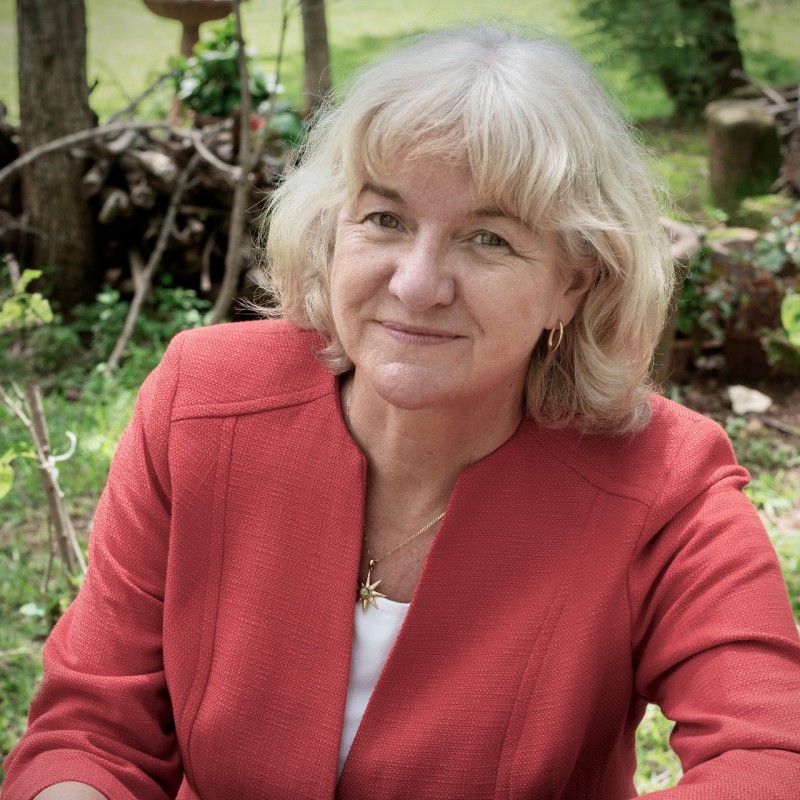
Charlotte Scott
Mulago Lead
s



Total Investment
1000000
Grants
0
Equity/SAFE
0
Debt/Convertible Debt
Funded Since
2021
Geography
Sector
Structure
The Mission
Thriving pastoralists in healthy rangelands.
How It Works
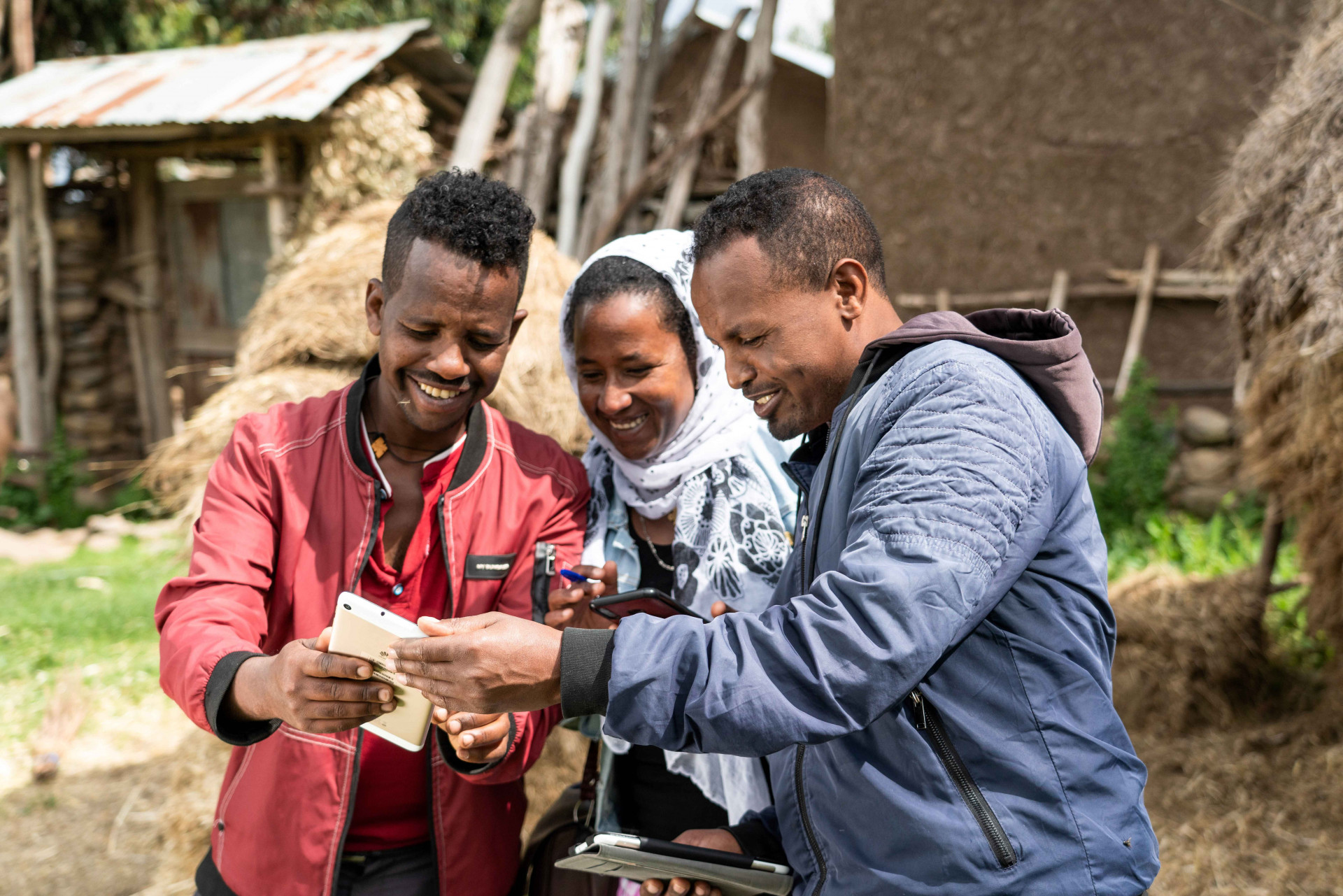
Mafisa provides new water points, vet services and critical market linkages to pastoralists in exchange for a commitment to practice regenerative grazing. Regenerative grazing boosts land productivity and sequesters carbon, allowing Mafisa to tap carbon markets to fund the whole thing.
The Dream
Mafisa inspires copycats which provide vet health services to pastoralists across Africa, paid by the carbon market.
Why We're In
Over the past two years, Mafisa has cut wildfire rates by 53% and grown herds by 13.7% — both by reducing mortality and increasing calving rates. And early internal evidence finds farmers are already earning 5x their income. An on-going IDInsight study and more time will help move their evidence from compelling to rigorous. They've secured a carbon contract with Shell for their first 1M hectares, with 2M more in the pipeline. This is a bet that every hectare can be managed profitably after providing services for pastoralists – a model that needs to be copied across Africa.
Delivery
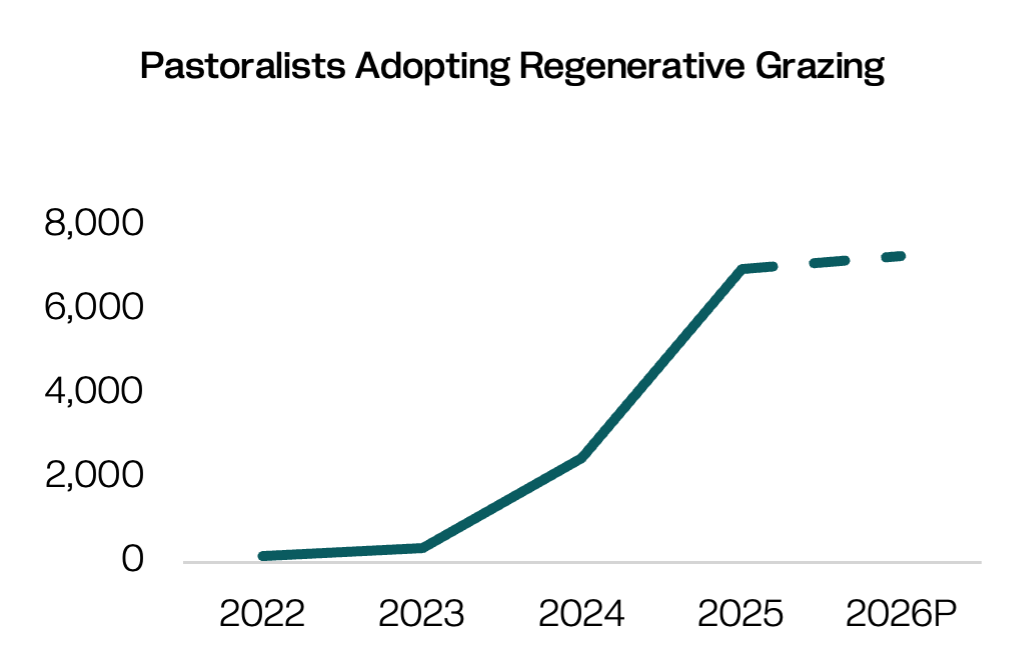
Mafisa has grown from 150 to 7,000 pastoralists practicing regenerative grazing in three years, with 7,300 projected by end of 2026.
Impact

An internal pre-post study of 1,212 farmers shows herd growth rising from under 1% at baseline to 13.7% by 2025 — driven by lower mortality and higher calving rates.
The Model
A solution that works and can scale.
Regenerative Grazing Plan
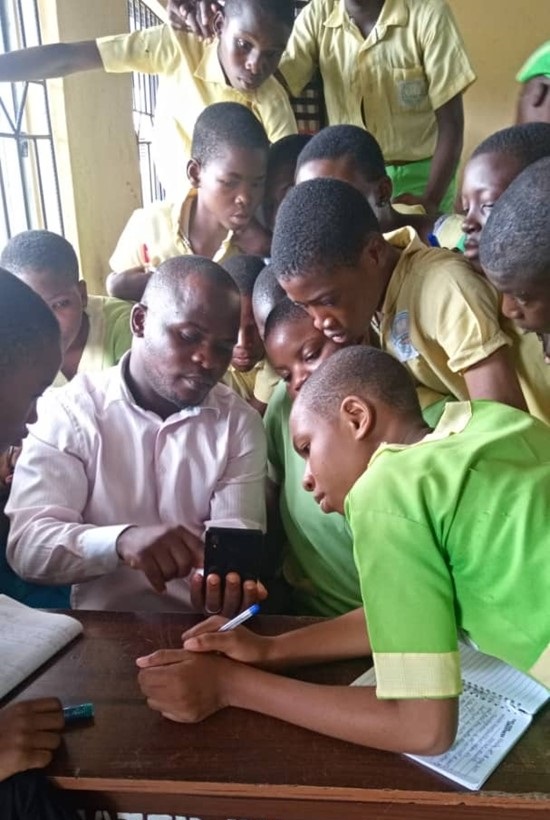
Work with tribal and district leadership to establish grazing boundaries, then train communities on rotational grazing and fire mitigation to restore grasslands.
Water Access
Four new water points are drilled per community, to expand the landscape that local pastoralists can graze while keeping their herds hydrated.
Vet Services
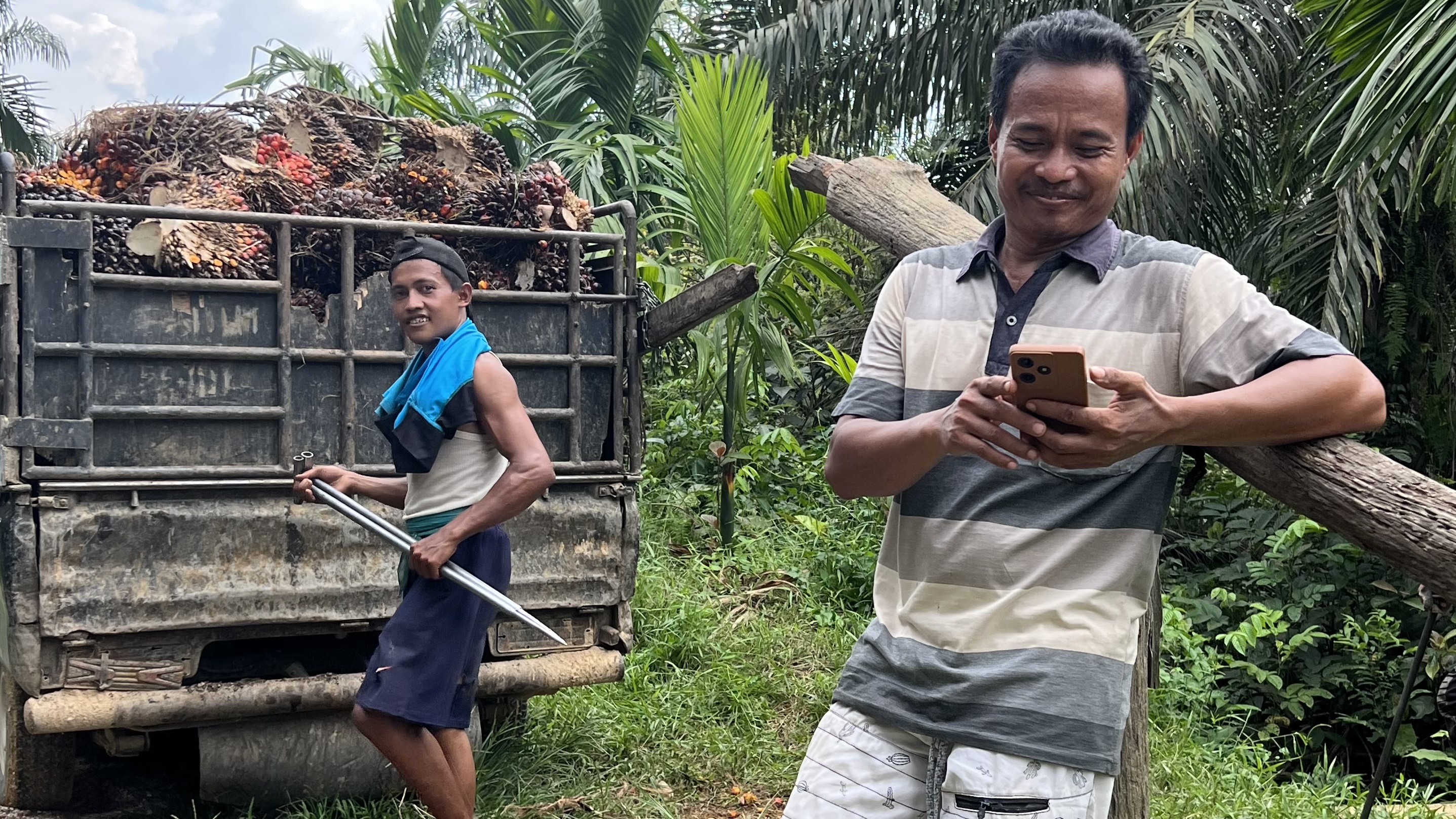
Provide community-based animal health services — vaccinations, deworming, and weekly tick spraying — to reduce herd mortality.
Market Linkages
Broker sales with high-volume cattle buyers so pastoralists can sell healthier, fatter animals at better prices.
Sell Carbon Credits
Ongoing monitoring of soil, fire, and pastoralist movement unlocks carbon offsets sold into the voluntary market
Potential for Impact at Scale
Mulago uses four criteria to gauge potential for exponential impact. The model must be:
This is about impact and evidence. It’s early, but the numbers are promising. A 2025 survey of 1,212 farmers showed herd mortality dropped from 10.2% at baseline to 4.8%—a 52% reduction in two years. Calving rates rose from 39% to 50%, and average herd size is growing at 13% per year. Total financial gain for farmers in 2025 compared to baseline is $1,059—against an average annual household cash income of $211 at baseline. Critically, results for smaller herds (20 or fewer) are just as strong, meaning the impact isn’t skewing to wealthier farmers. The big gap: the external evaluation by IDInsight won’t have midline data until late 2026 and end line is at least another year from that.
This is about scope. Pastoralism covers 44% of Africa’s landscape and is a primary livelihood for 268 million people. In Zambia alone, 1.74 million people live in traditional cattle-raising communities. Mafisa has identified conditions for the model to work: traditional pastoralist communities, communal land systems with reasonably strong social organization, and areas more remote from existing markets. Preliminary analysis suggests suitable regions exist in west, east, and southern Africa, with tens of millions of pastoralists and upwards of 160 million cattle. Carbon eligibility limits the addressable market, though by how much is still unclear.
This is about whether businesses can deliver the model. Mafisa is proving there's a business in bundling regenerated grasslands, water, pastoralist support, and market access. But it's a lot to pull off — you need community development skills to earn trust, water infrastructure teams to drill boreholes, animal health workers for regular animal health services, and carbon expertise to manage large off take deals. Any copycat would need to be a sophisticated operator.
This is about what the model costs if delivered by businesses and whether carbon buyers will pay enough to make it work. The Shell contract proves demand exists, but two questions remain: what carbon price buyers will sustain, and whether Mafisa can run the model profitably at that price. A financial model completed in early 2026 shows the program needs efficiencies of scale before carbon revenues cover full costs. The next step is translating that model into shareable documentation so potential copycats can assess viability themselves.
.png)
Mafisa is in the early Growth Stage, still proving the model and building early traction.
Our Take
Mafisa is in Early Growth. The results on herd health are compelling — mortality down from 10.2% to 4.9%, calving rates up from 39% to 50% —netting 13.7% annual herd growth from a baseline of under1%. That matters because the conditions for this model exist across much of pastoral Africa. The big uncertainties are on the Simple and Cheap Enough side.The more elements added, for the pastoralist and for the broader community, the harder and more expensive the program gets. Everything hinges on whether Mafisa can prove a profitable business model at carbon prices the market will actually sustain. That's the bet.
Are you a serious funder and want to learn more?
This is just a snapshot of what we know about the organization. If you're an investor or funder that might send some serious dough their way, we're always delighted to share more. Reach out and we'll connect you with the right person on our team.
*this is not monitored for funding requests.