
There's No Such Thing As Impact Investing
Some deep links in this edition for folks who really, really care about impact and scale.

Impact investing was supposed to occupy a critical middle ground between philanthropy and traditional investing. Instead, it’s become good intentions in search of market rates of return. We need that middle ground more than ever, but that means concessionary finance—and that is in effect philanthropy. Kevin’s latest piece calls it “philanthropic investing”, and lays out Mulago’s approach to it. This needs to be a much bigger part of philanthropy, and if we can do it, anybody can.
Stanford Social Innovation Review
The End Of Progress Against Extreme Poverty?
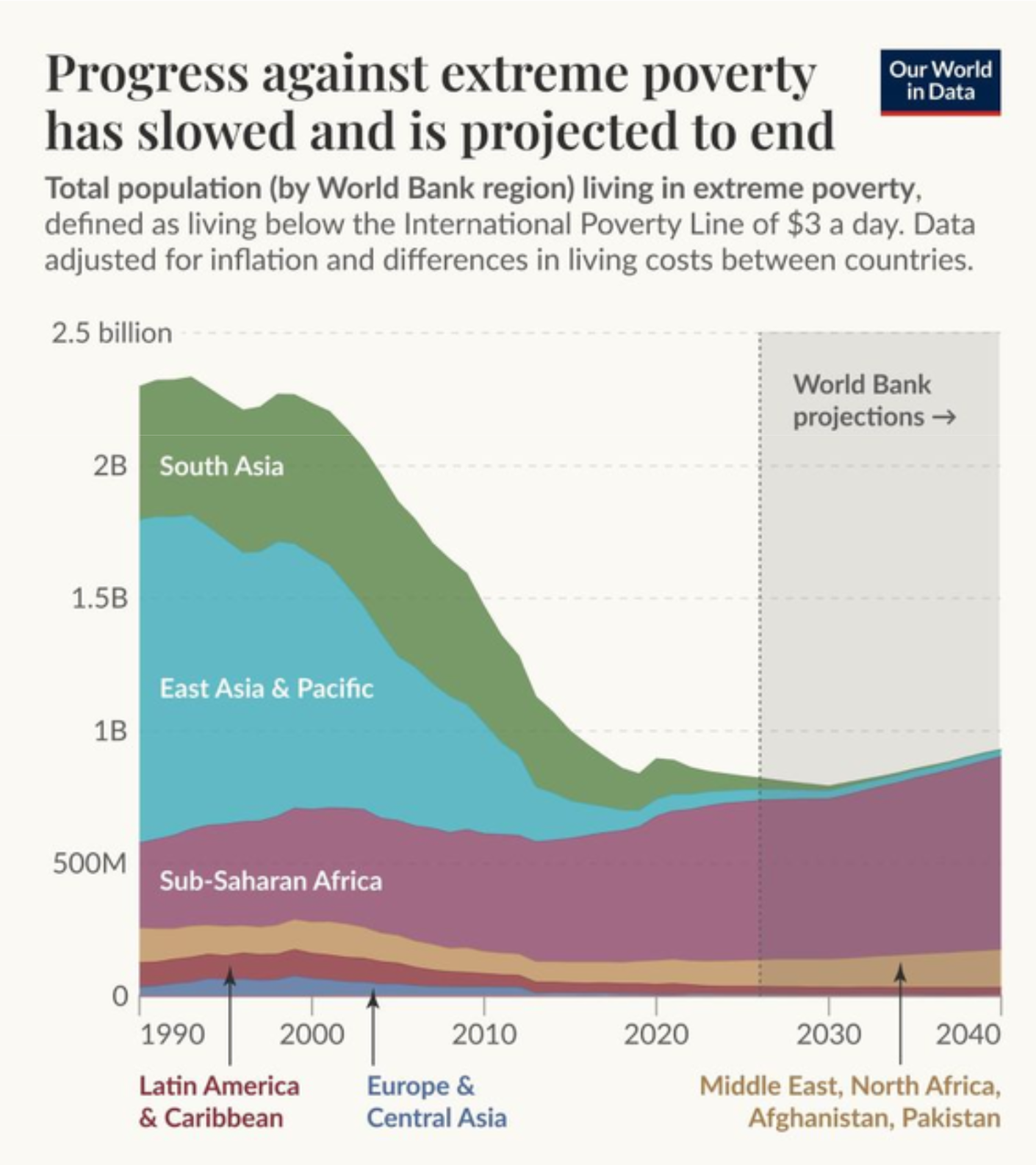
Here’s why market-based solutions and philanthropic investing are more important than ever: It seems that the remarkable progress made in the battle against poverty has stalled. Critics of this report have quibbled about lousy demographic data and fertility projection overshoot, but it is hard to argue with the notion that flat economic growth + growing populations = more people in poverty. The argument we need is what to do about it.
Our World in Data
The Giant Basket Case Countries
It turns out that the big stall is mostly about five countries—Pakistan, Nigeria, DRC, Ethiopia and Tanzania—that are projected to be 20% of world population. The title of this piece is pretty guaranteed to piss people off, but it articulates a stark reality, and it’s an important reminder that the story isn’t just about Sub-Saharan Africa (Pakistan’s GDP per capita is lower than Nigeria’s). What we like about it is Noah’s analysis of what rich countries can do — for very low cost — to help those five countries get out of the mess they’re in.

Podcast: NPR’s Planet Money follows GiveWell into the Field
GiveWell is the absolute avatar of using rigorous evidence to direct philanthropy. This podcast chronicles their admirable efforts to mitigate the disappearance of USAID and extend their exacting approach to the kind of chaotic setting that typifies the most urgent need. It turns out that it is virtually impossible to meet the need in these places while providing the certainty around impact that GiveWell donors expect. For us, it’s another validation of the idea of backing capable, evidence-driven organizations rather than a project-by-project approach.
NPR
Why Solarpunk Is Already Happening In Africa
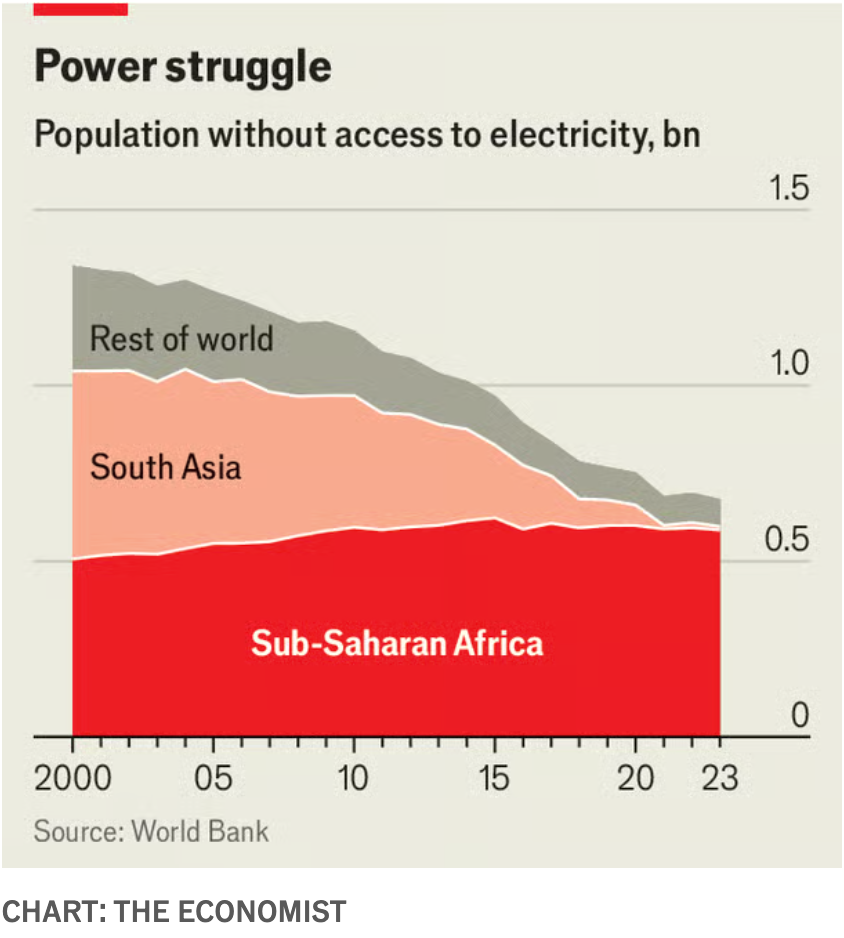
Meanwhile, this article illustrates how ingenuity and the basic economics of solar energy can drive progress even when governments can’t get their act together. This piece has some great case studies of how to scale solutions on the continent: from solar home systems to mobile money to solar irrigation. These weren’t centralized, government led, 30-year megaprojects. Instead they were modular, innovatively financed —sometimes carbon-subsidized — and deployed by private companies in competitive markets. He makes a bullish case for solar power more generally in Africa.
Climate Drift
Can We Break The Human-Development / Environment Trade-Off?
Solarpunk demonstrates one way in which there doesn’t have to be a trade-off between human and environmental well-being. The inimitable Hannah Ritchie makes a cogent and concise case that “We are in a unique position to improve human wellbeing while reducing our environmental impact at the same time.”
Sustainability by Numbers
COP Can’t Cope With Climate Risks
One way that we’re not going to end that trade-off is through annual charades like COP (er, the “Conference of Parties to the United Nations Framework Convention on Climate Change”—the name alone is sufficient to tell you why it’s doomed). A lot of people ask if we went to COP. This article’s potent dose of climate realism could be our auto-response: “We need a climate moonshot. That sure as hell won’t come from the UN.”
Persuasion
Stopping the Greatest Threat to the Amazon, One Fire at a Time
The kinds of things that do work are chronicled by this article, with its stunning visuals. Last year, a record amount of tropical primary forests burned around the globe, five times as much as the prior year’s level of forest loss. In the Amazon, fires consumed an area larger than California. The good news? Modest interventions like planting different crops, letting forests return, and pooling resources to afford machinery that can clear land instead of resorting to intentional burns, could have major effects.
New York Times
MacKenzie Scott Announces $7 Billion of Charitable Giving This Year
Sure, everybody’s heard about this, two things stand out for us: 1) MacKenzies’ giving illustrates the kind of simultaneous development/environment efforts that Hannah talks about, and 2) we’re stoked about Mulago Fellows alumni organizations featured on the list, including One Acre Fund, Blue Ventures, Maliasili, Last Mile Health, Imagine Worldwide, Rights and Resources Initiative, Tenure Facility, and myAgro.
Yield Giving
And Finally…
The Em Dash Responds to the AI Allegations.
As an organization who has long used the em dash with abandon — and mixed results — we were perturbed to learn that its use is now a telltale sign for AI generated writing. This response from a beleaguered em dash makes us feel a lot better about our continued use — less liberally than we used to — and only when they’re needed.
McSweeneys
Impact in your inbox
The best stuff we run into, straight to your inbox. Zero spam, promise. To see past issues, click here.


The Third Wave of American Philanthropy?
The AI wealth boom and the absorption problem
July 17, 2026
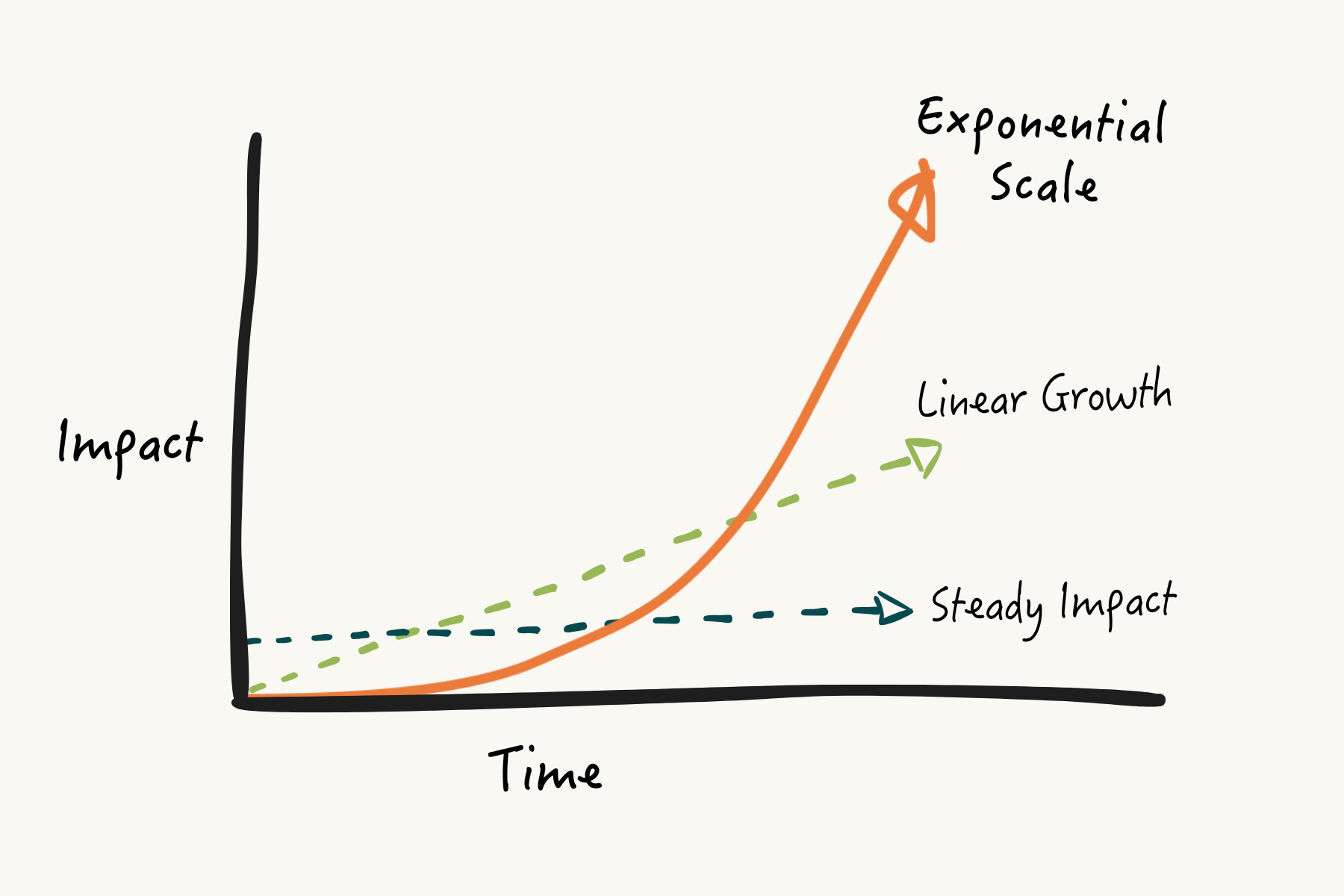
Scale Really Really Matters
Poverty lines, how Africa works and the problem with RCTs.
April 30, 2026
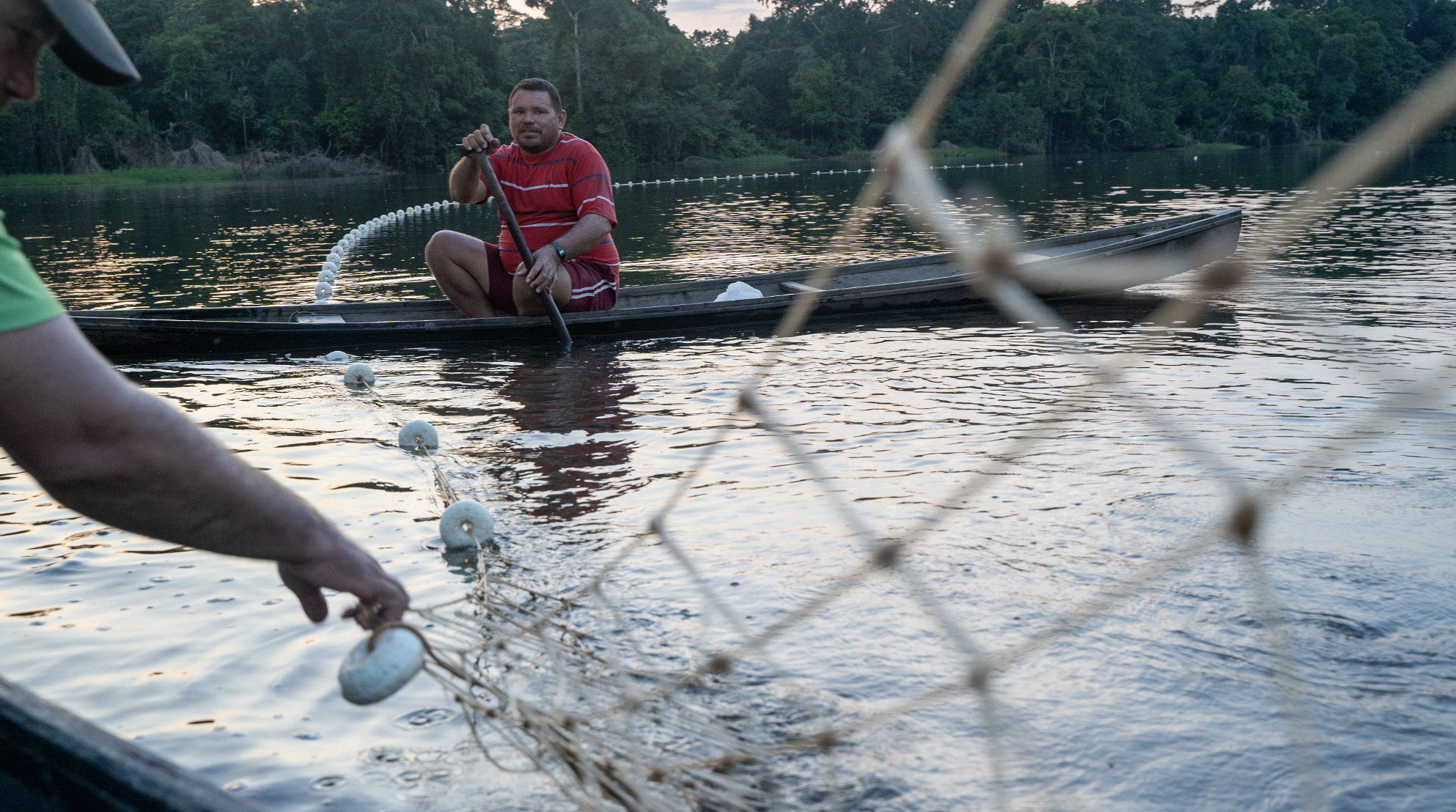
Thriving People in Thriving Places
For community-led conservation to work, livelihoods have to be front and center.
October 22, 2025