
Scale Really Matters
Poverty lines, how Africa works and the problem with RCTs.

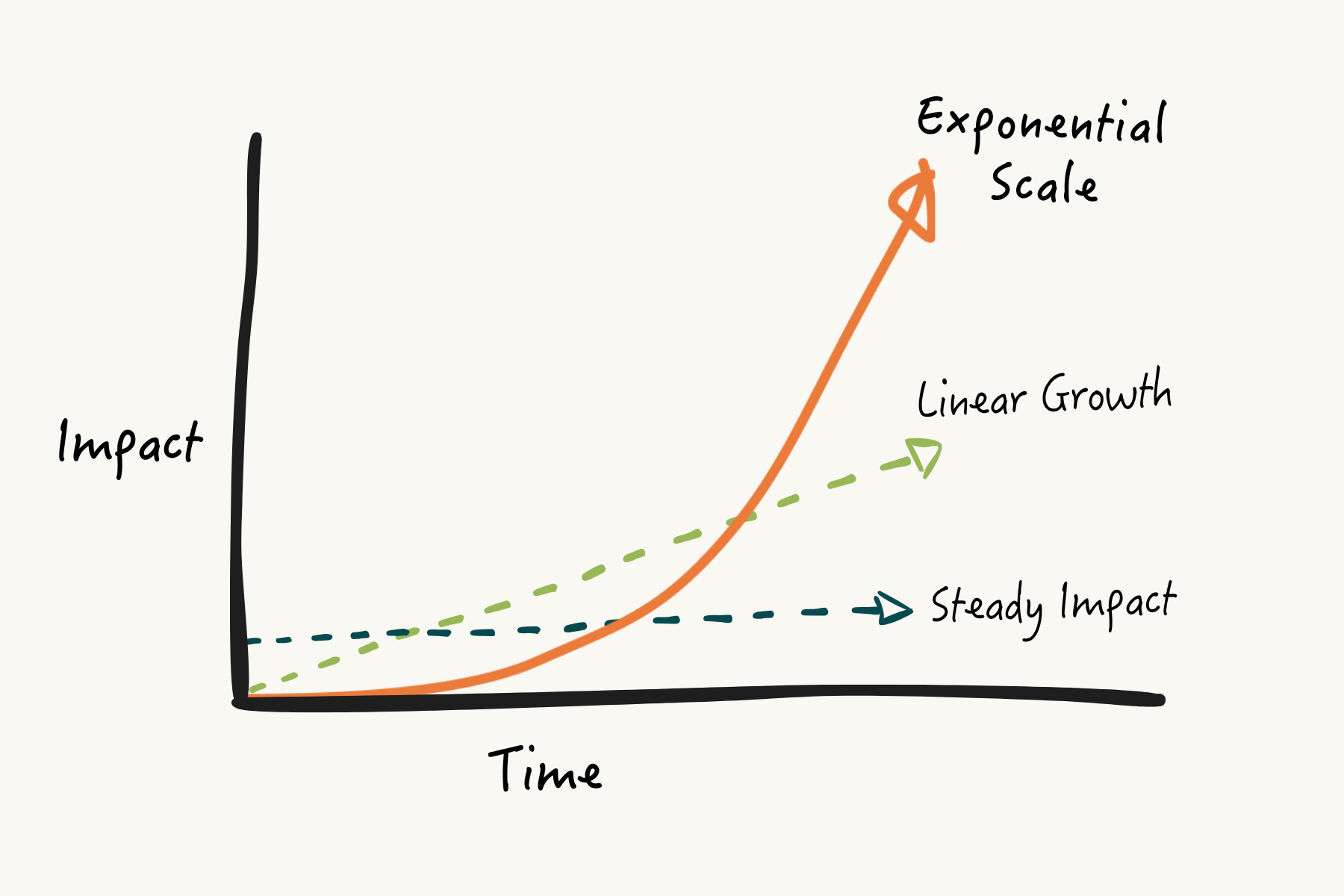

Scale Really Matters
We just got back from the annual social sector lollapalooza in Oxford. There were tons of sessions and conversations about scale—there seems to be a collective recognition that the problems are looming, the clock is ticking, and we’ve got hard choices to make. Kevin’s latest article came out right before Skoll kicked off and it served as a touchstone for a lot of the conversation — we really did manage to get people talking about scale as exponential impact — a curve, not a line.
Stanford Social Innovation Review
Low-bar Poverty Lines: Ending The Reign of Error
This four-part series by Lant Pritchett argues that the adoption of “dollar a day” as the global poverty line was a massive mistake for development. He digs deep into the rationale and concludes that this threshold is obscenely low, and that it drove any number of wrong-headed policies that actually slowed progress on poverty. It’s pretty nerdy (and TLDR), but well worth the effort to get a better understanding of poverty and efforts to solve it.
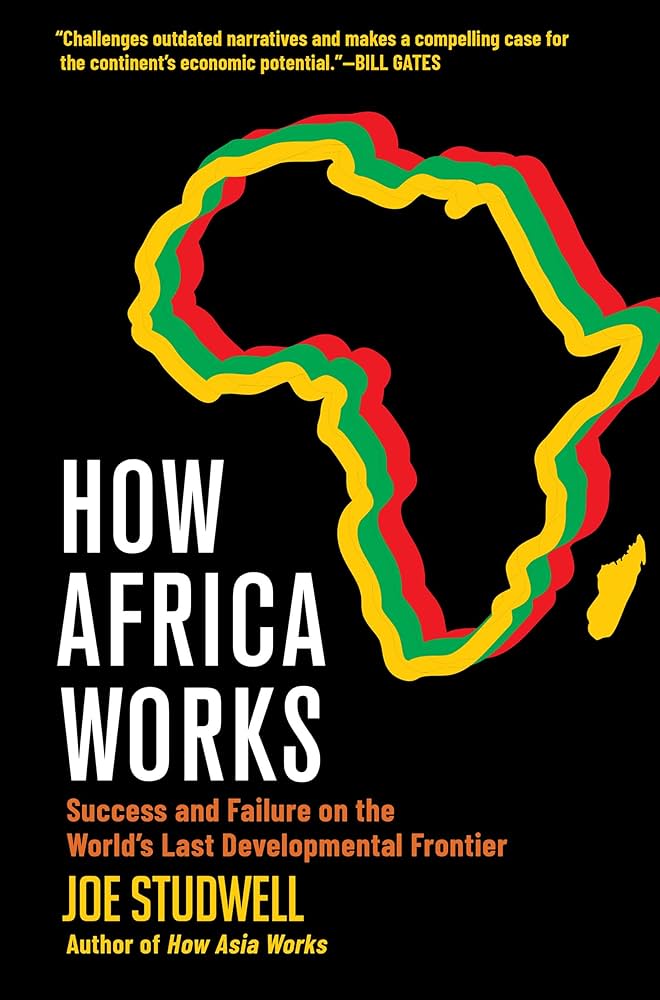
Book: How Africa Works by Joe Studwell
Africa is adding 300M people per decade: by 2050 it will be home to 2.5B, a quarter of humanity. But more interestingly, by 2030 Africa will hit the population density Asia had in 1960 — Asia's point of take-off. Studwell sees “chronically low population density” as an important cause of Africa’s underdevelopment — the coming shift is a remarkable opportunity. He goes deep on what’s working in Botswana, Mauritius, Ethiopia, and Rwanda and finds that it's many of the same policies that worked in Asia: back smallholder farmers, build export manufacturing, control your finance. Read this. Or at least listen to the podcast.
Book | Review by Works in Progress | Podcast with Tyler Cowen
The Nonprofit Sector Has an RCT Problem
It’s not always that useful to become the “gold standard.” Randomized Control Trials are a critically important tool but they’ve also become the hammer that makes everything a nail. “RCT” has itself become a magic acronym for lots of funders and policy-makers who don't really understand them This piece hews closely to our advice: Large RCTs are a very clunky and slow method to hone your model — there’s a lot of better methods available to early stage organizations. And In the end, the only RCT that really matters is the one you do with your doer-at-scale (and most of the time that’s government).
Stanford Social Innovation Review
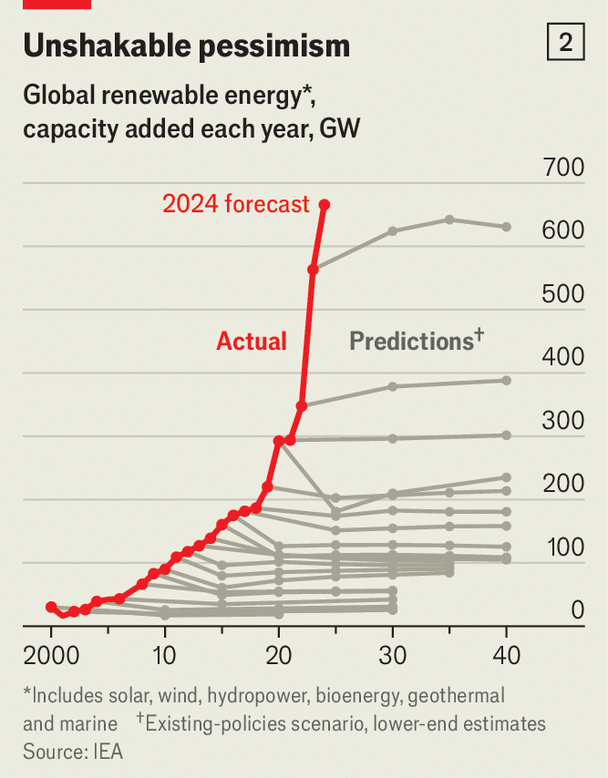
In case you need a reason to be more optimistic. “The energy transition will be cheaper than you think” in The Economist.
Algorithms and Authority: How AI Is Re-shaping Power in Global Health
The RCT era of the 2010s demonstrated how a dominant tool can simultaneously strengthen rigor and narrow ambition. Today, everyone’s super excited about AI in health, us included. Fewer people are asking how AI might limit our ambitions and distort our missions. Tony Senanayake, a 2025 Mulago fellow, argues that AI falls short when it comes to tackling policy and behavior change — massive drivers of impact. This article deserves a lot of attention.
And Finally…
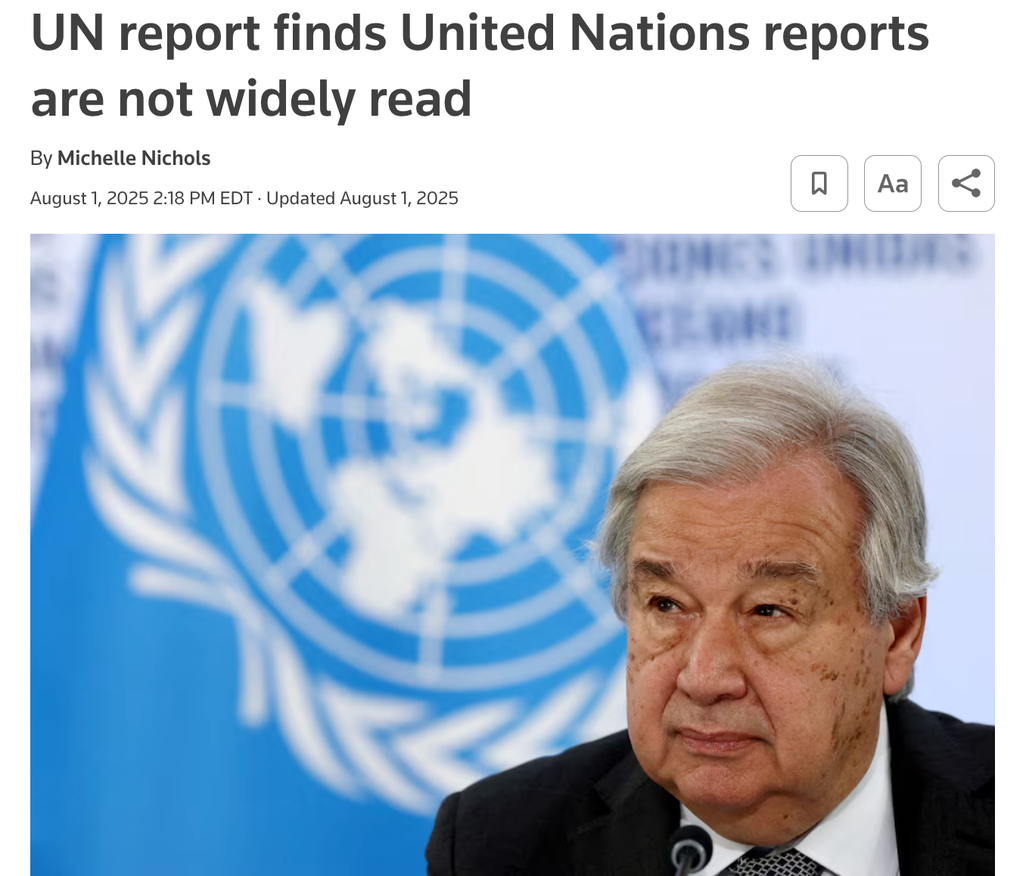
Shout out to Todd Moss: his piece Death to the Policy Report on the high costs of organizations spending their precious time on 200 pages that never get read is worth a read. It’s only two pages.
Impact in your inbox
The best stuff we run into, straight to your inbox. Zero spam, promise. To see past issues, click here.


There's No Such Thing As Impact Investing
Some deep links in this edition for folks who really, really care about impact and scale.
December 16, 2025

Thriving People in Thriving Places
For community-led conservation to work, livelihoods have to be front and center.
October 22, 2025
.png)
Big Aid is (Still) Over
Need is everywhere. Make decisions based on potential.
June 2, 2025