
Darsel
There’s a global math learning crisis—60% of kids around the world are below minimum proficiency levels. Meanwhile, mobile phones have become ubiquitous and kids have access to them.
The Idea
A Personalized Math Chatbot
Fellow

Abdulhamid Haidar
Mulago Lead
s
Total Investment
600000
Grants
0
Equity/SAFE
0
Debt/Convertible Debt
Funded Since
2023
Geography
Sector
Structure
The Mission
Improve kids’ critical thinking in low income settings.
How It Works
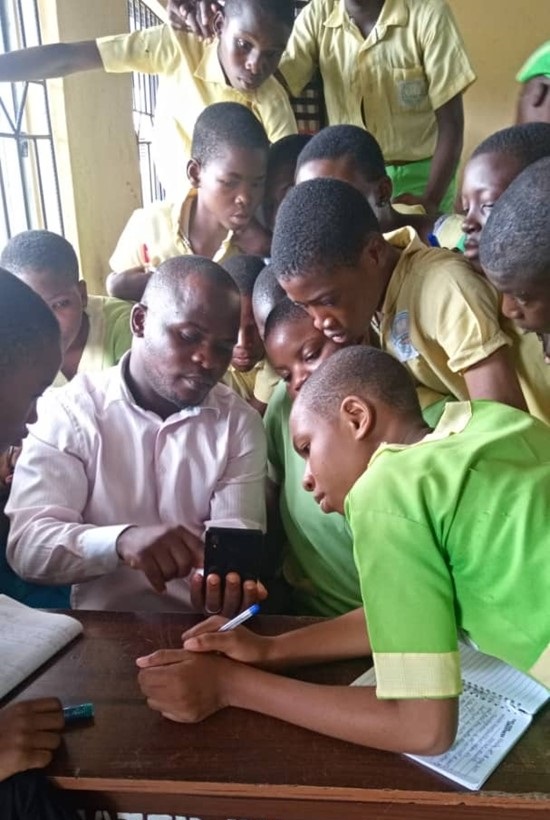
Darsel has developed a smart chatbot that texts math questions to kids and helps them when they get stuck. Teachers introduce kids to the bot at school, and kids spend ~20 minutes practicing math on a parent’s phone at home daily. They catch up and stay caught up.
The Dream
Kids everywhere, especially in countries of greatest need, learn math with personalized chatbots, paid for and administered by public school systems.
Why We're In
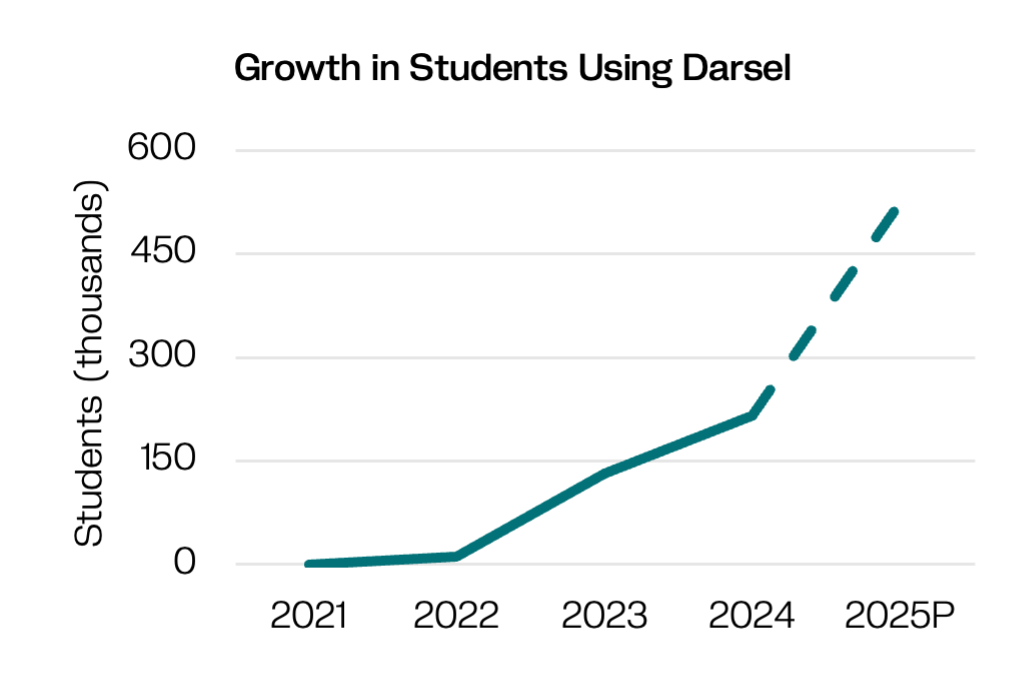
Darsel has great momentum: they’ve gone from 100 schools in Jordan in 2022 to 2,700+ schools across Jordan, India, and Nigeria in 2025. They started with 7th grade but are expanding from 4th to 9th grade to build a stronger math foundation. The goal is uninterrupted math learning that compounds over the years. They’ve got persuasive early impact evidence, but even more important is the way in which experimentation and iteration are at the heart of their operations. We think they’re an excellent early-stage bet.
The Model
A solution that works and can scale.
A Personalized Chatbot
Kids use WhatsApp on their parent’s phone and start solving engaging math problems that are tailored to their learning level. An interactive chatbot provides help so they learn how to solve them. An AI-supported algorithm provides each kid with individualized learning content matched to skills and pace of learning.
Localized Content
The content reflects local culture and is aligned to the national curriculum.
School-centered administration
Teachers onboard kids and promote ongoing use with support from school administrators.
Data-driven feedback loops
Continual insights from data tune the chatbot and generate reports to help teachers know which students need help.
Systematic gamification
Nudges, awards, recognition, and classroom leaderboards encourage kids to keep going.
Potential for Impact at Scale
Mulago uses four criteria to gauge potential for exponential impact. The model must be:
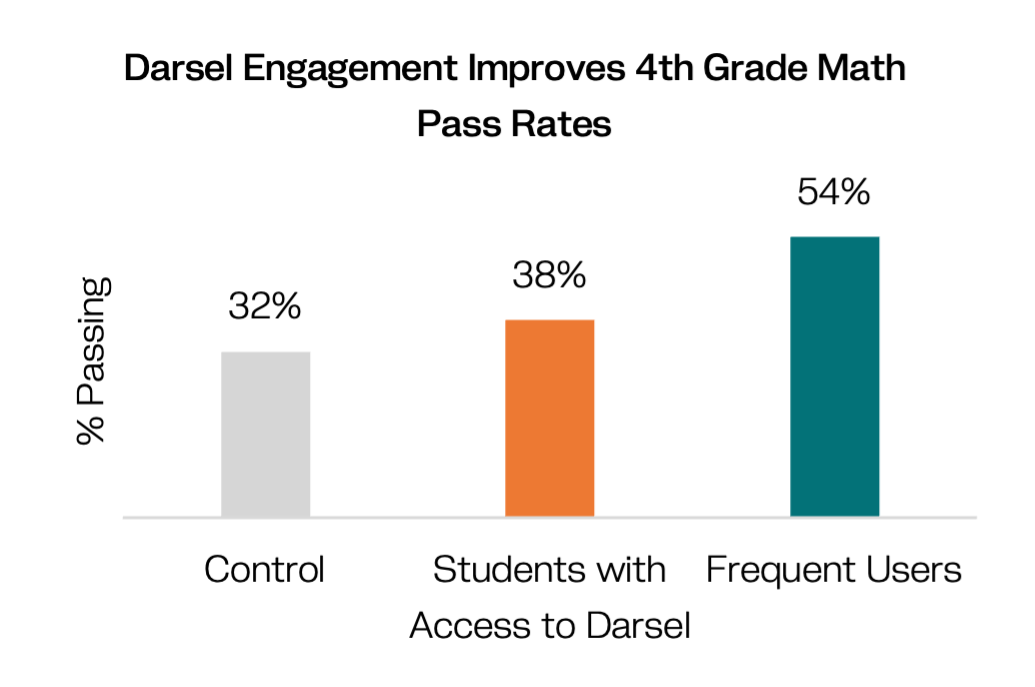
This is about impact. Darsel has run three relatively small RCTs (larger one with JPAL coming soon) – all with promising signals of the potential for this solution. Their most recent RCT for 4th graders showed an 11% increase in math scores and showed that pass rates went up with Darsel usage – 54% of students who answered at least 1K questions passed their 4th grade math exam versus only 32% of the control. However, students are starting from a very low baseline, so while Darsel has improved math scores, there’s more work to be done to get kids to actual math proficiency. They’re actively improving the product and expanding the product to more grades to compound learning. And, they need to figure out how to get kids to use the chatbot consistently and for longer.
This is about scope. Phone ownership is widespread, and the tech is inherently scalable. Most kids have sufficient access to a family member’s phone, even in low-income settings, and Darsel does not require expensive data. Theoretically, the market is enormous, and it is something other tech companies could do.
This is about use and administration. The chatbot is highly intuitive for students to use and is delivered mostly via Whatsapp, which everybody uses. While requiring frequent check-ins from Darsel staff, school administration does not require a lot of Darsel resources. With just 1 full-time staff in-country, Darsel scaled implementation nationally across public schools in Jordan. Student uptake of Darsel is highly dependent on teachers encouraging and rewarding students for doing it.
This is about the cost of the product. It costs Darsel ~$1 per student per year to deliver the intervention. That is <1% of most government educational budgets, even in poor countries. Moreover, administration and support requires little time on the part of school staff, and no additional salaries. Darsel has gotten verbal commitment from the Minister of Education in Jordan to add a budget line for Darsel in 2026 that will partially cover costs, a strong signal that governments are willing to pay.
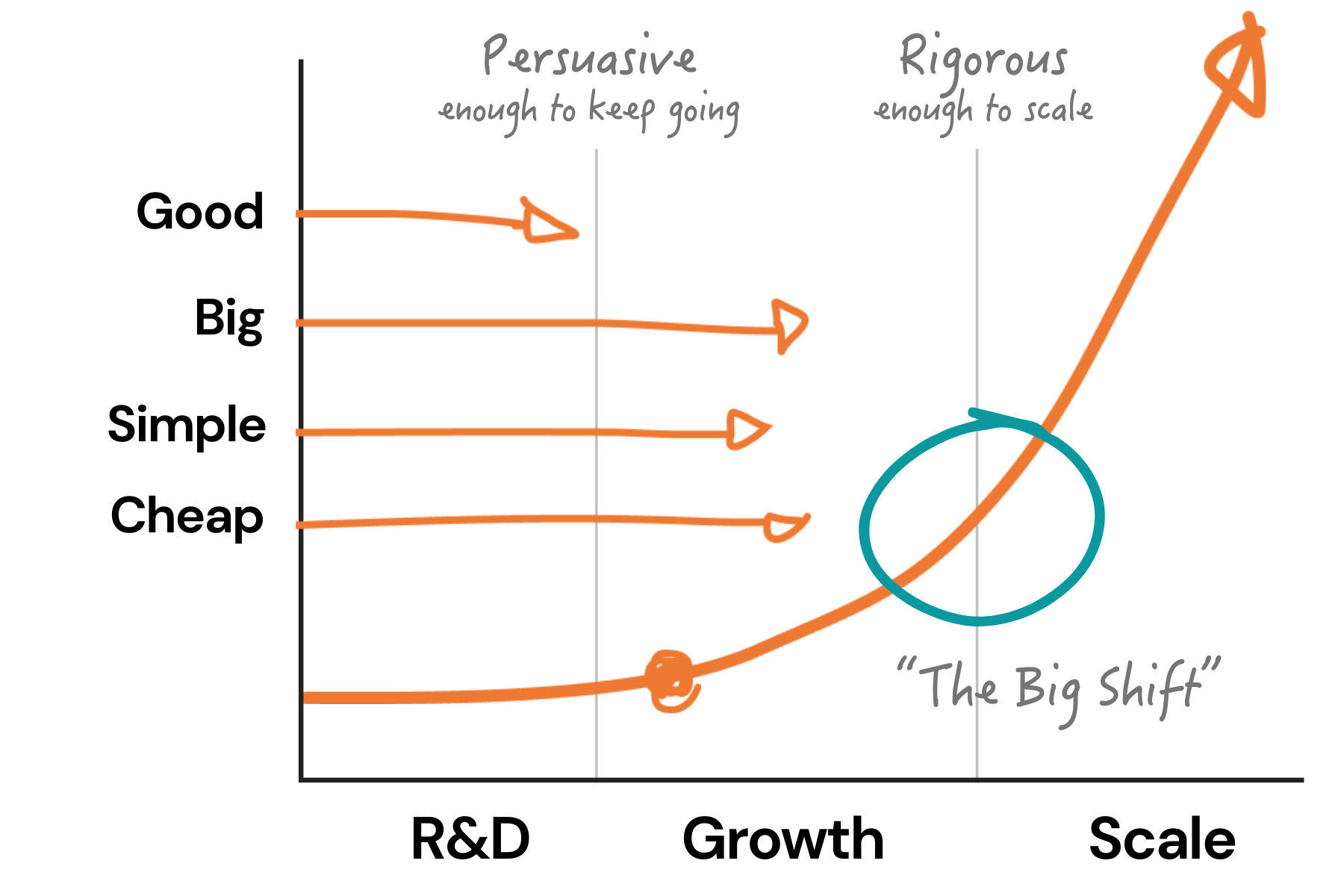
Given their early stage, Darsel’s model shows great promise for impact at scale.
Our Take
With the improvements Darsel have made and the organization’s culture of experimentation and iteration, we expect to see continually better results. The potential market is enormous, and so far, school administrators seem willing and able to onboard kids and support their use. The current cost is affordable even for strapped ministries, but there is still no guarantee they will actually pay for the product, though there’s a strong signal that the government in Jordan may do so in 2026.
Are you a serious funder and want to learn more?
This is just a snapshot of what we know about the organization. If you're an investor or funder that might send some serious dough their way, we're always delighted to share more. Reach out and we'll connect you with the right person on our team.
*this is not monitored for funding requests.
.jpeg)
.jpeg)
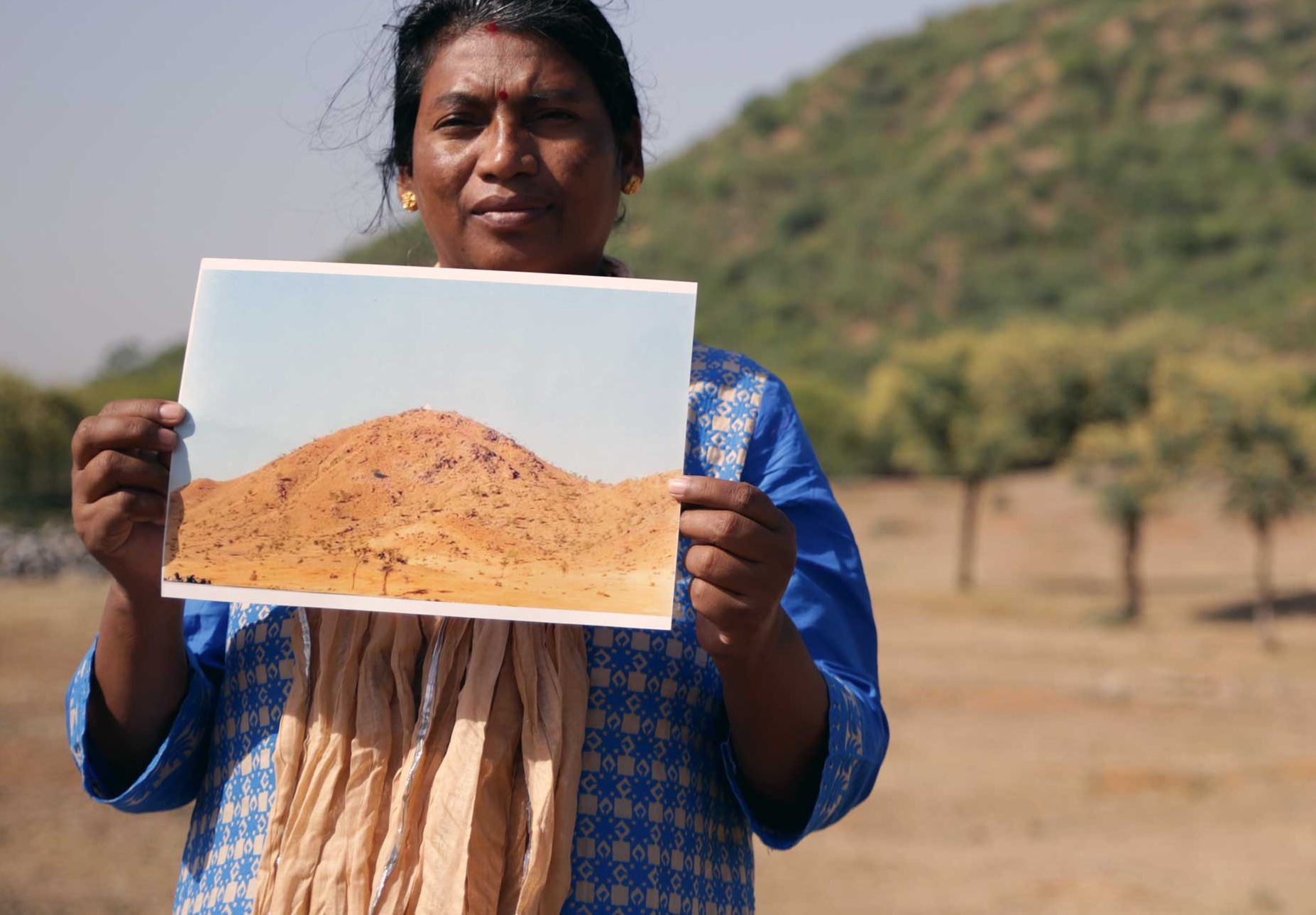
Foundation for Ecological Security (FES)
Community-Led Management of Village Commons
.jpeg)
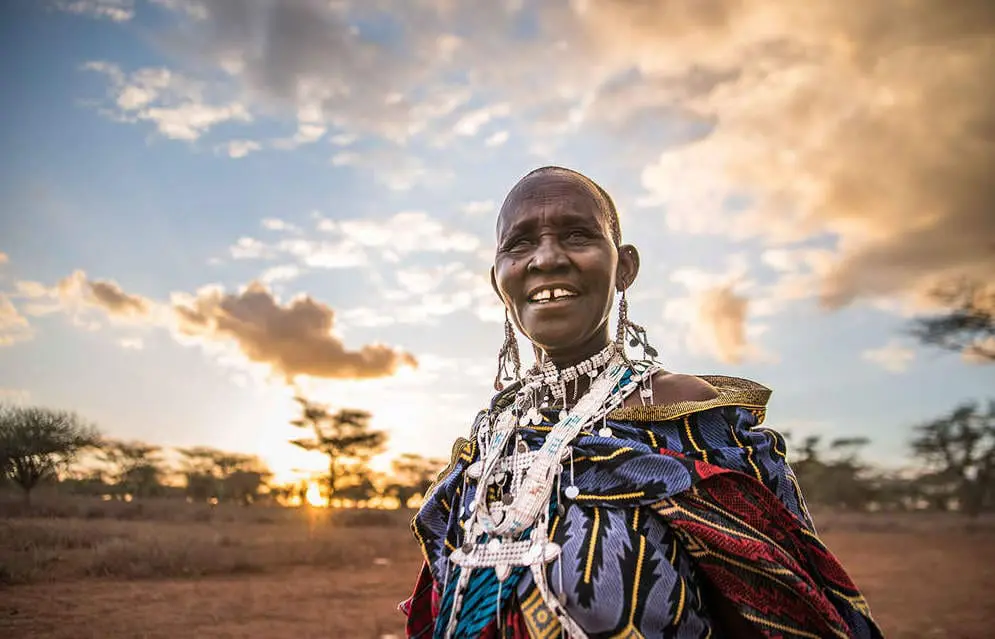

Ujamaa Community Resource Team (UCRT)
Lasting Land Rights for Pastoralists.