Rocket Learning
40M Indian kids in Grade 2 cannot recognize a single letter or number—in part because they weren’t ready for school to begin with. Meanwhile, 50M preschool kids go to government daycare centers where they are fed but not taught.
The Idea
Bite-sized Videos for Early Learning
Fellow

Namya Mahajan
Mulago Lead
s

Total Investment
1100000
Grants
0
Equity/SAFE
0
Debt/Convertible Debt
Funded Since
2022
Geography
Sector
Structure
The Mission
Get poor kids school ready.
How It Works
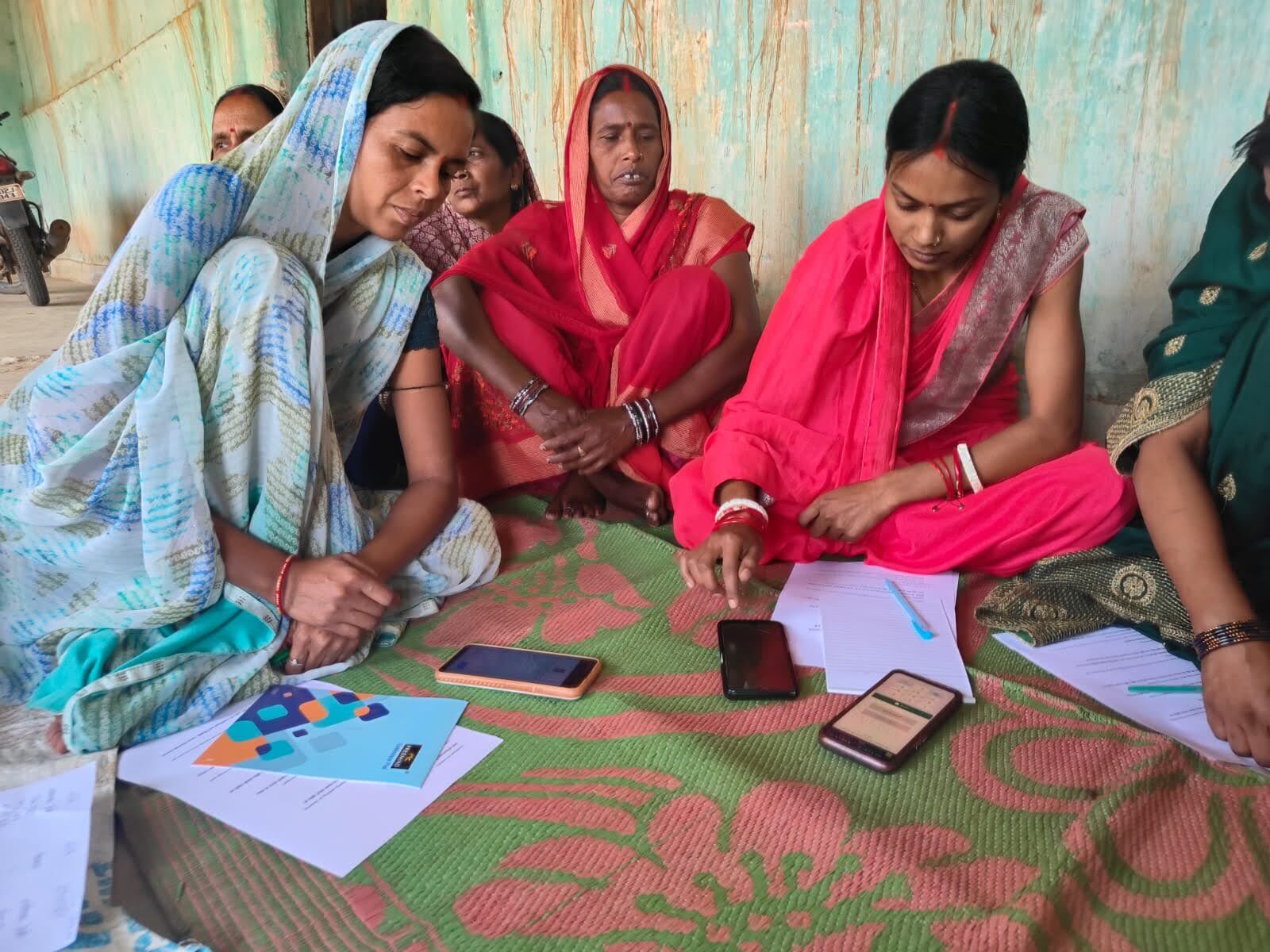
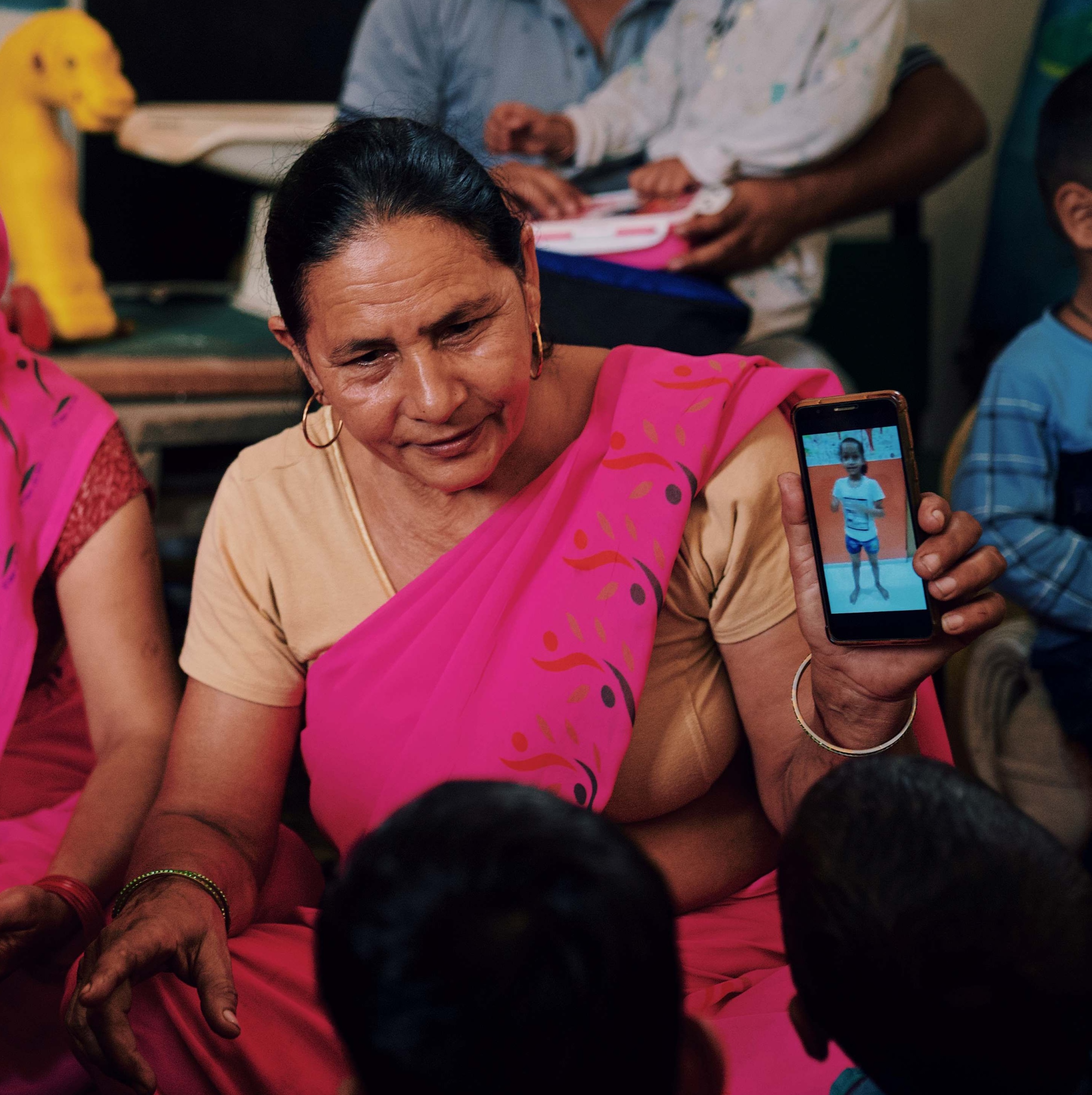
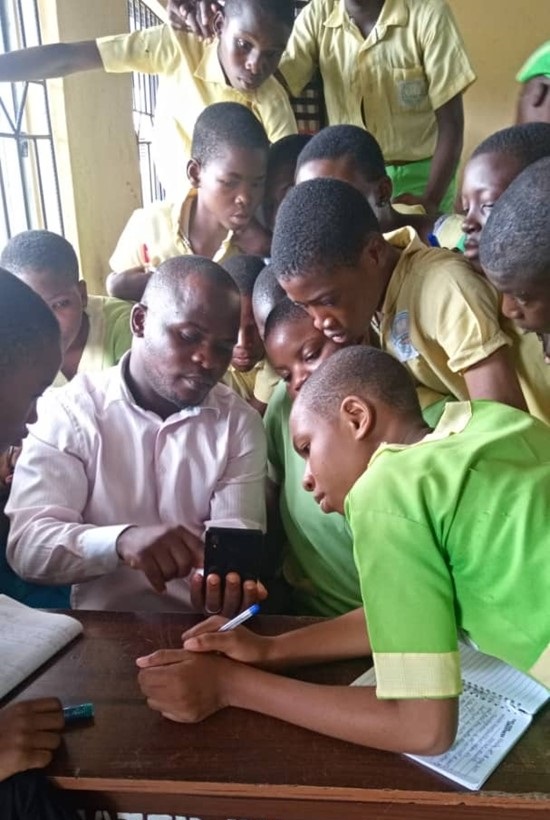
Rocket Learning forms government daycare workers—known as Anganwadis—into WhatsApp groups and sends them “bite-sized” videos on their phones that demonstrate easy, fun learning activities to do with kids. Systematic nudges help keep participation high.
The Dream
The Indian government pays for and administers Rocket Learning across all daycare centers.
Why We're In
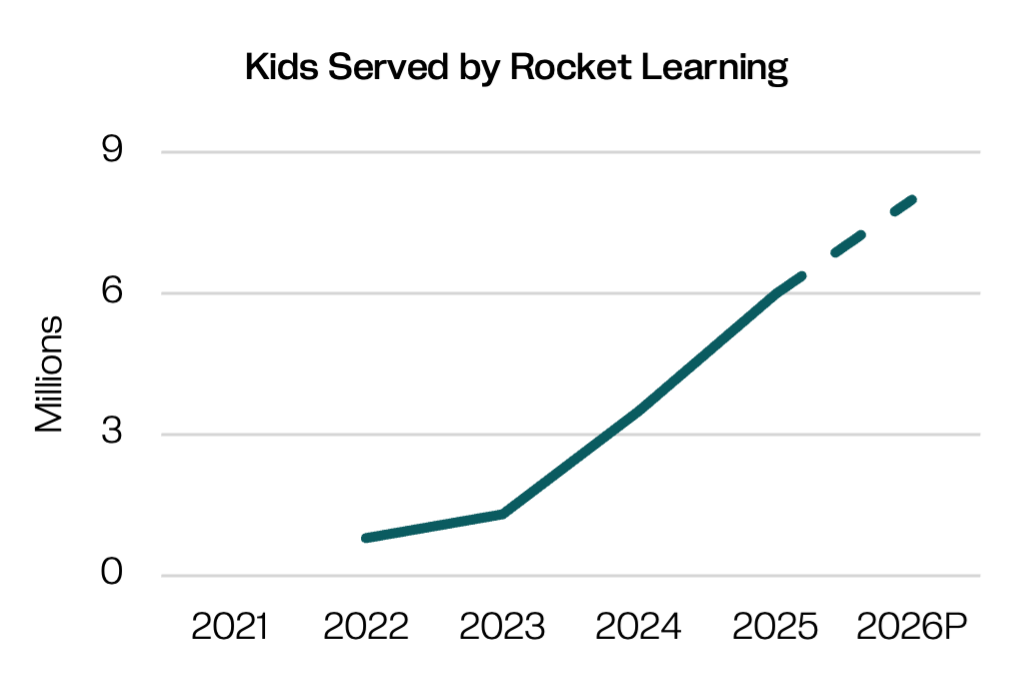
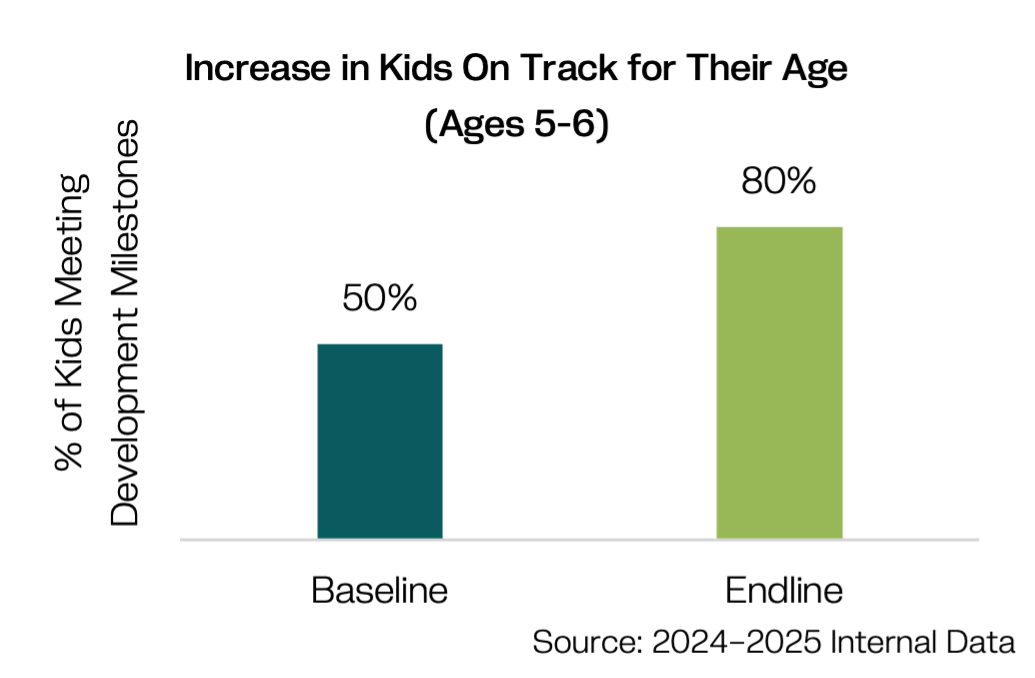
Rocket Learning’s solution is effective and light-touch. It’s also highly scalable, given that it layers onto India’s vast national daycare system—they already reach 400K centers (~28% of India). They’ve helped revamp India’s early childhood curriculum, and they have early evidence from an internal study showing their solution helps kids meet critical milestones. More rigorous results will come out this year.
The Model
A solution that works and can scale.
Bite-Sized Content
Develop engaging, short videos based on well-researched ECE curriculum that demonstrate high-impact, play-based activities for parents and daycare workers to do with kids
Digital Group Delivery
Load content onto WhatsApp groups for parents and Anganwadi workers
Group Dynamics
Get parents and Anganwadi workers to upload videos of kids doing activities to encourage ongoing group engagement
Nudges
Send real-time behavioral nudges (rewards, recognition, feedback, virtual report cards) to drive ongoing engagement
Ongoing Training
Engaging online and in-person training and certification of Anganwadi workers as ECE teachers
Potential for Impact at Scale
Mulago uses four criteria to gauge potential for exponential impact. The model must be:
This is about impact and evidence. Rocket Learning aims to increase the share of children who are school-ready by age six. Using an internal index spanning five domains—motor skills, pre-numeracy, pre-literacy, cognitive flexibility, and socio-emotional learning—they estimate that about 75% of kids they serve (~3.75M of 5M) reach school readiness. More than 80% meet the bar in four of five domains, though pre-literacy lags, with only about half scoring adequately. A third-party RCT found a 0.2 SD gain relative to the control in developmental milestones for ages 3–5, driven by pre-literacy and pre-numeracy. There were no effects on executive function, and SEL was not measured.
This is about scope. Every state in India has Anganwadi workers and centers, though Anganwadi workers have many responsibilities and demands on their time during the 4 hours daily that kids attend centers. ~50-60% of kids in India are enrolled in these centers, but a quarter of kids leave the center after a year to enroll in private preschool. Attendance and retention varies by state based on public perceptions and quality. Meanwhile, phone ownership and connectivity to WhatsApp is ubiquitous, data is affordable, and there is high digital literacy in India.
This is about whether the Indian government can deliver the model. Rocket Learning has a comprehensive library of videos that is relevant across age groups and state contexts that they’ll continue to own and update over time. Currently, the entire library is also uploaded into the existing Anganwadi Poshan app. WhatsApp groups are easy to set up and use to share videos and information about ECE. Personalized nudges will be easy to deploy once automated. Right now, Rocket Learning is delivering the model across states but is working to establish a new government position at the district level to take over administration and oversight of the program.
This is about cost—and whether government will pay. Government already funds major components, including Anganwadi worker salaries and physical space, making incremental delivery relatively inexpensive. The current cost is $1.90 per child per year, with roughly two-thirds of the unit cost driven by technology. If government absorbs the tech layer—benefiting from their already low, competitively priced data rates—costs should fall further. The target is hitting $1.25 per child annually. Given that government spends~$100/child each year on ECE (averaged across ages), this model would account for less than 2% of per-child spending.
.png)
Rocket Learning is in Growth stage, upgrading their tech and preparing for government handover.
Our Take
Rocket Learning’s model layers onto existing government ECE infrastructure and makes it much better at a very low cost. They’ve got real momentum and aren’t slowing down any time soon. Their internal M&E and RCT results tell a consistent, positive story of kids reaching developmental milestones. Though, there are still questions around how to interpret school readiness as an index and what real world conclusions can be drawn from the RCT results. The solution is widely needed across India and has shown it can scale nationwide via Anganwadi centers. Rocket Learning still mostly delivers and pays for the program, but we have confidence in how they’re iterating to make delivery as simple as possible so it’s easy to transfer to the government. Their costs are also so low it is conceivable the government will pay if there’s enough momentum around ECE.
Are you a serious funder and want to learn more?
This is just a snapshot of what we know about the organization. If you're an investor or funder that might send some serious dough their way, we're always delighted to share more. Reach out and we'll connect you with the right person on our team.
*this is not monitored for funding requests.
.jpeg)
.jpeg)