Peepul
India is investing a lot more into public schools, but rote learning is still the norm and kids don’t learn nearly as much as they should.
The Idea
High-Engagement Teaching


Total Investment
1850000
Grants
0
Equity/SAFE
0
Debt/Convertible Debt
Funded Since
2020
Geography
Sector
Structure
The Mission
Get kids in Indian government schools to grade-level.
How It Works
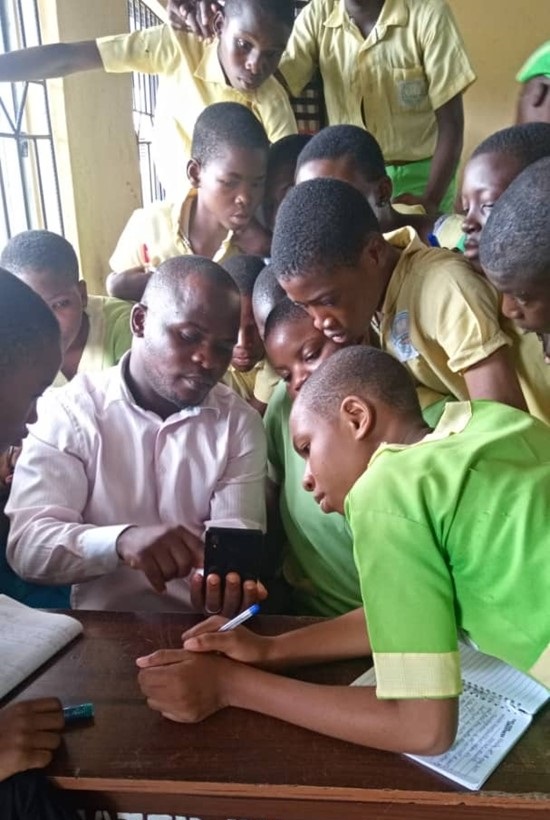
Peepul’s “high-engagement teaching” model puts students first, creating classrooms where learning thrives. They train teachers in simple, intuitive practices that drive an ongoing interplay of student and teacher, and they work with principals and administrators to build the approach and practices—along with the training, mentoring, and feedback systems to maintain it—into the broader school system.
The Dream
Indian government schools use "high-engagement teaching" at all levels, creating better outcomes and learning experiences for students.
Why We're In
Internal data shows Peepul students outperform comparison students by 20% in English in Madhya Pradesh, and by 25% in Delhi. These incremental gains compound every year, leading to potential big effects over time. Because it only requires a shift of existing resources, the marginal cost per student is zero, which is remarkable. They’re building on success in Madhya Pradesh, where the government doubled down on expanding the program to benefit millions of students.
The Model
A solution that works and can scale.
Better pedagogy
High-engagement methodology that ensures every kid gets attention, moving away from rote learning to dynamic, responsive teaching.
Efficient training
Teacher training course plus toolkit that makes best practices accessible and replicable.
Coaching
Systematic teacher mentorship by peers and supervisors, with spot checks and continuous feedback loops.
Systematic accountability and governance
Built-in metrics, incentives, and monitoring systems for principals and teachers that reinforce better school and teacher management
Potential for Impact at Scale
Mulago uses four criteria to gauge potential for exponential impact. The model must be:
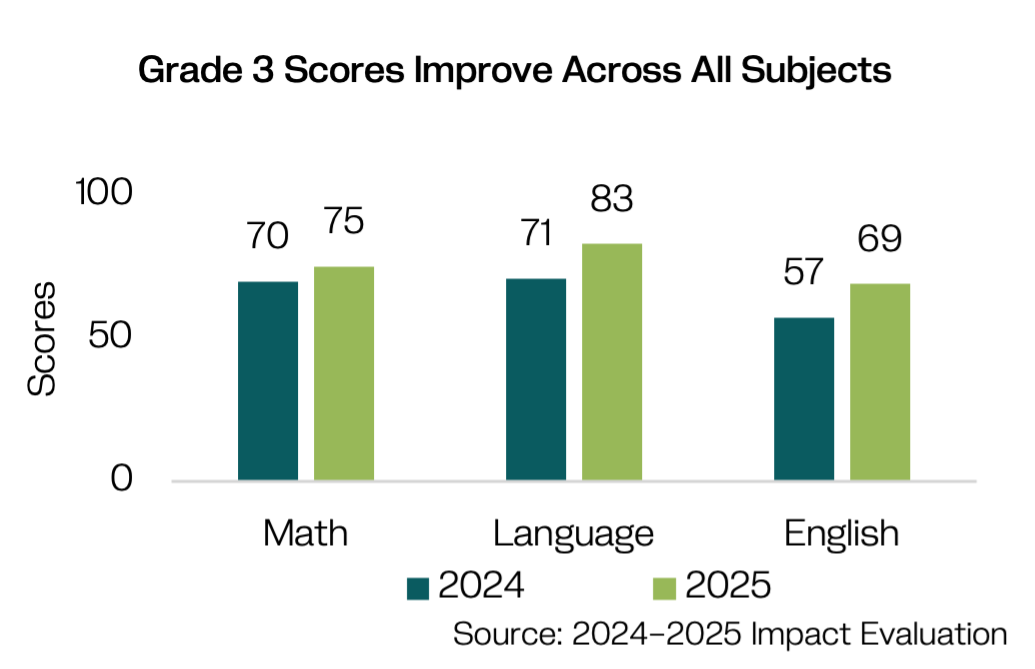
This is about impact and evidence. Peepul achieves stellar results in their direct implementation exemplar schools (where they run the show): 70% of students reach grade-level proficiency, outperforming comparable schools by 25-30%. In the first two years of government-led programs in Madhya Pradesh, they see some tangible improvements in Grade 3 outcomes: 60-80% of students achieve proficiency in Peepul schools across Hindi, Maths, and English, almost 20 points higher than comparable government school students (an effect size of 0.4-0.6 standard deviations). They have yet to see significant improvements in Grade 6 outcomes. These results are from a third-party research firm which tested students in Peepul schools against comparison government schools.
This is about scope. There are 158 million students in government schools across India who could use higher engagement teaching. Peepul's model appears likely to work in most states in India. If they reach even half of these states, the impact will be profound. Conditions needed: governments committed to quality education with focus on outcomes, resources to train teachers, and principals interested in improved outcomes.
This is about whether government can deliver the model. The model is being replicated by government with significant support from Peepul. In Madhya Pradesh, they're implementing the full model across 350 schools, with Peepul doing training, support, metrics, and evaluation. Government schools appear to be successfully delivering high-engagement teaching, through their own teachers and school principals - but still with a heavy lift by Peepul staff.
This is about what the model costs if delivered by government and whether government is willing and able to pay. The marginal cost per student is zero. Teachers already require training, and curriculum is already circulated—the model requires no additional meaningful cost.
.png)
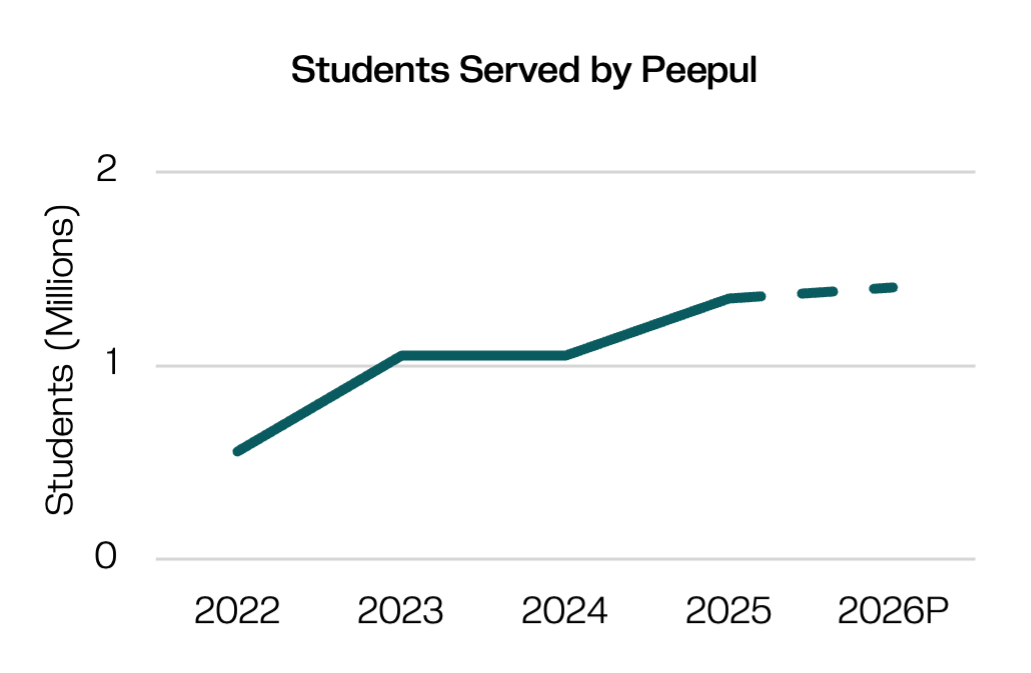
Peepul is in Growth, working to prove that government can deliver the model with less support from Peepul.
Our Take
Peepul is in Growth. They've nailed the impact in their own exemplar schools, and they've got persuasive early data from government implementations. We still need rigorous evidence compared to a control group that government-led delivery delivers learning outcomes across grades – their current evaluation is not randomized, meaning the schools selected by government to pilot the program may be already ahead of comparable schools. The model is big enough—it can work across most states in India—and cheap enough at virtually zero marginal cost. The critical questions is: can government maintain learning gains over time without Peepul’s direct support?
Are you a serious funder and want to learn more?
This is just a snapshot of what we know about the organization. If you're an investor or funder that might send some serious dough their way, we're always delighted to share more. Reach out and we'll connect you with the right person on our team.
*this is not monitored for funding requests.
.jpeg)