AB Entheos
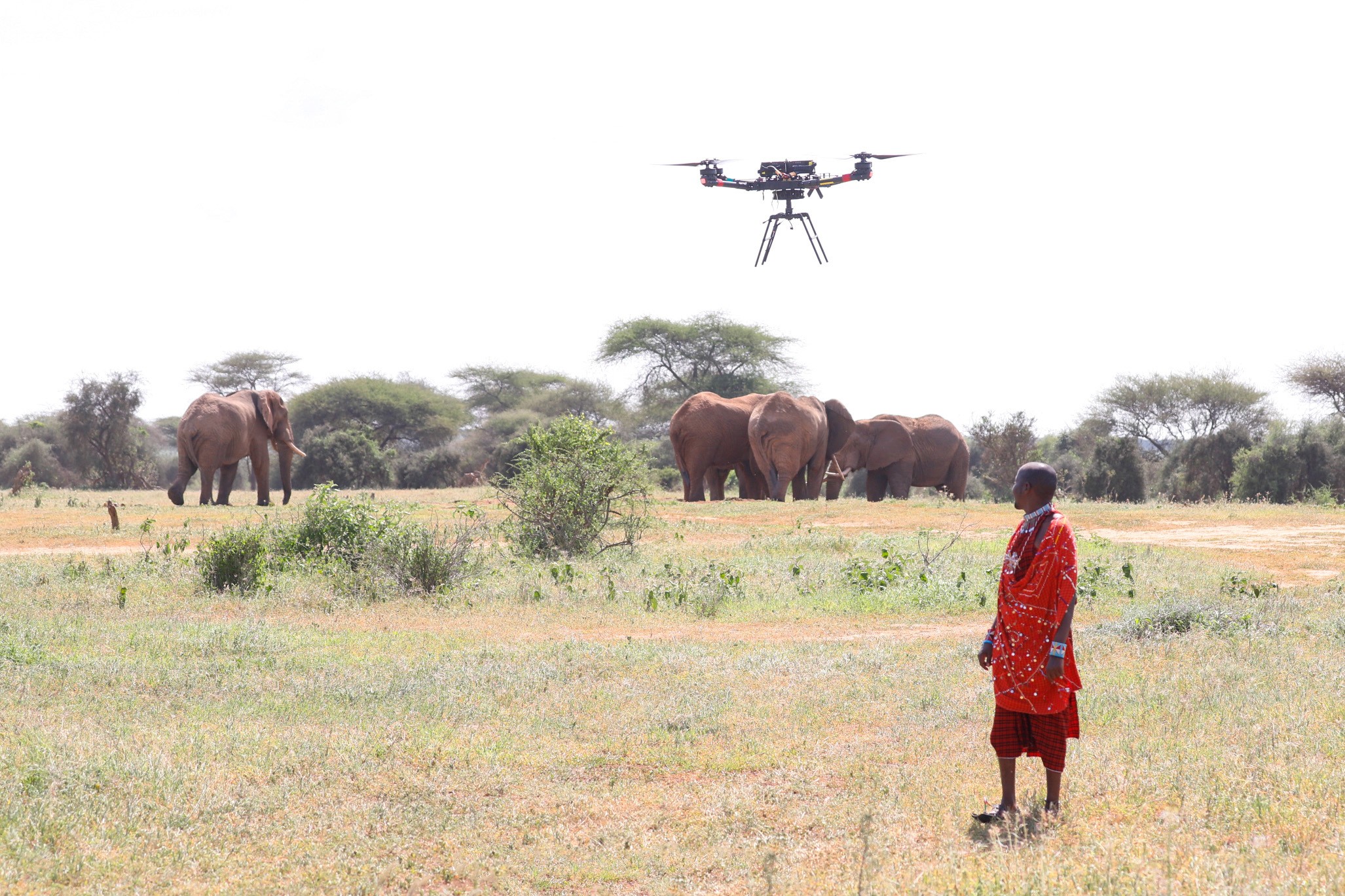
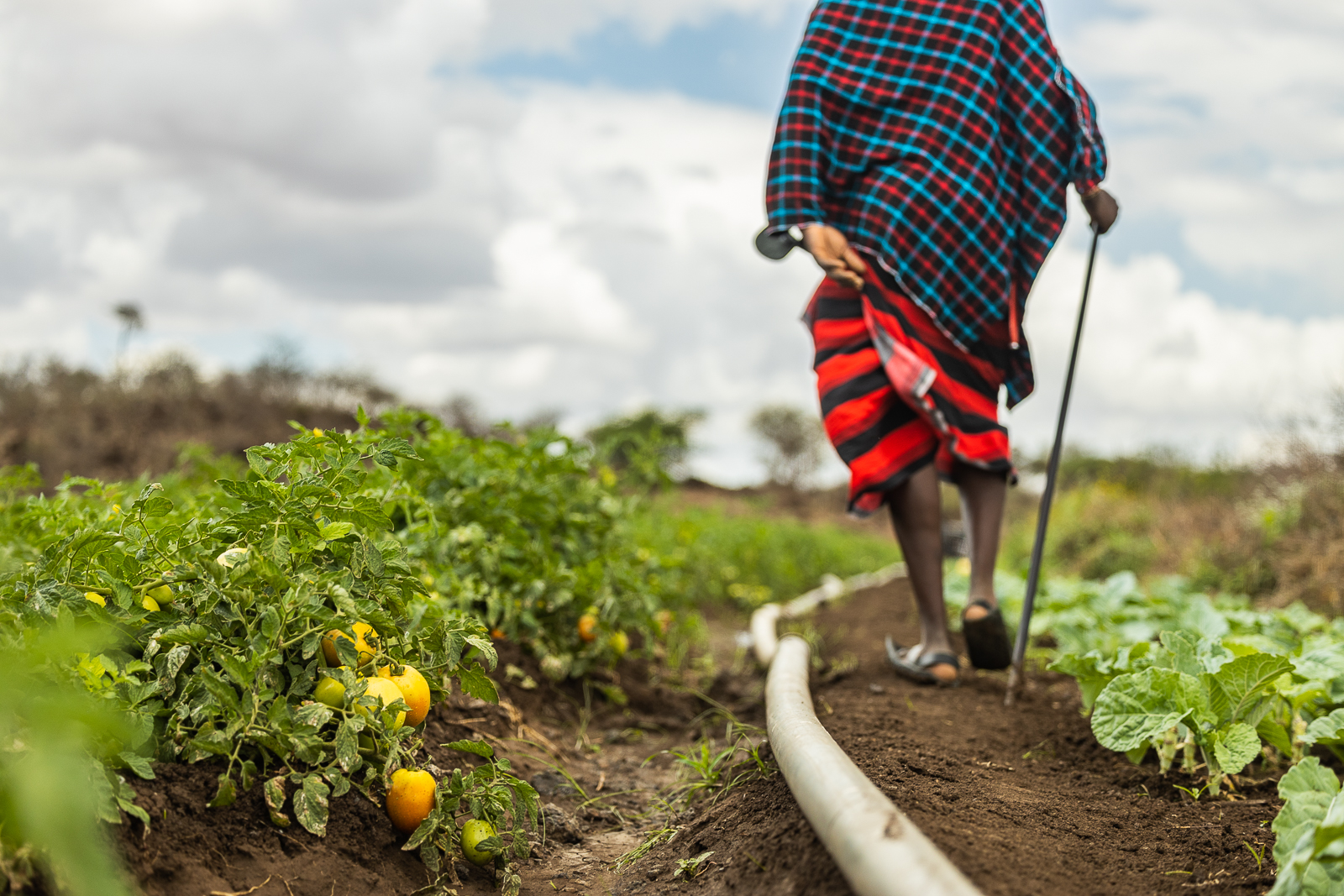
Vital ecosystems across Africa face increasing threats of destruction and decline from human activities, leading to huge upticks in conflict between wildlife and people. These conflicts cause thousands of deaths and injuries, and cost hundreds of millions in lost crops and livelihoods. When people kill wildlife in retaliation, it hurts both ecosystems and local tourism.
The Idea
Human-Wildlife Conflict (HWC) insurance
Fellow
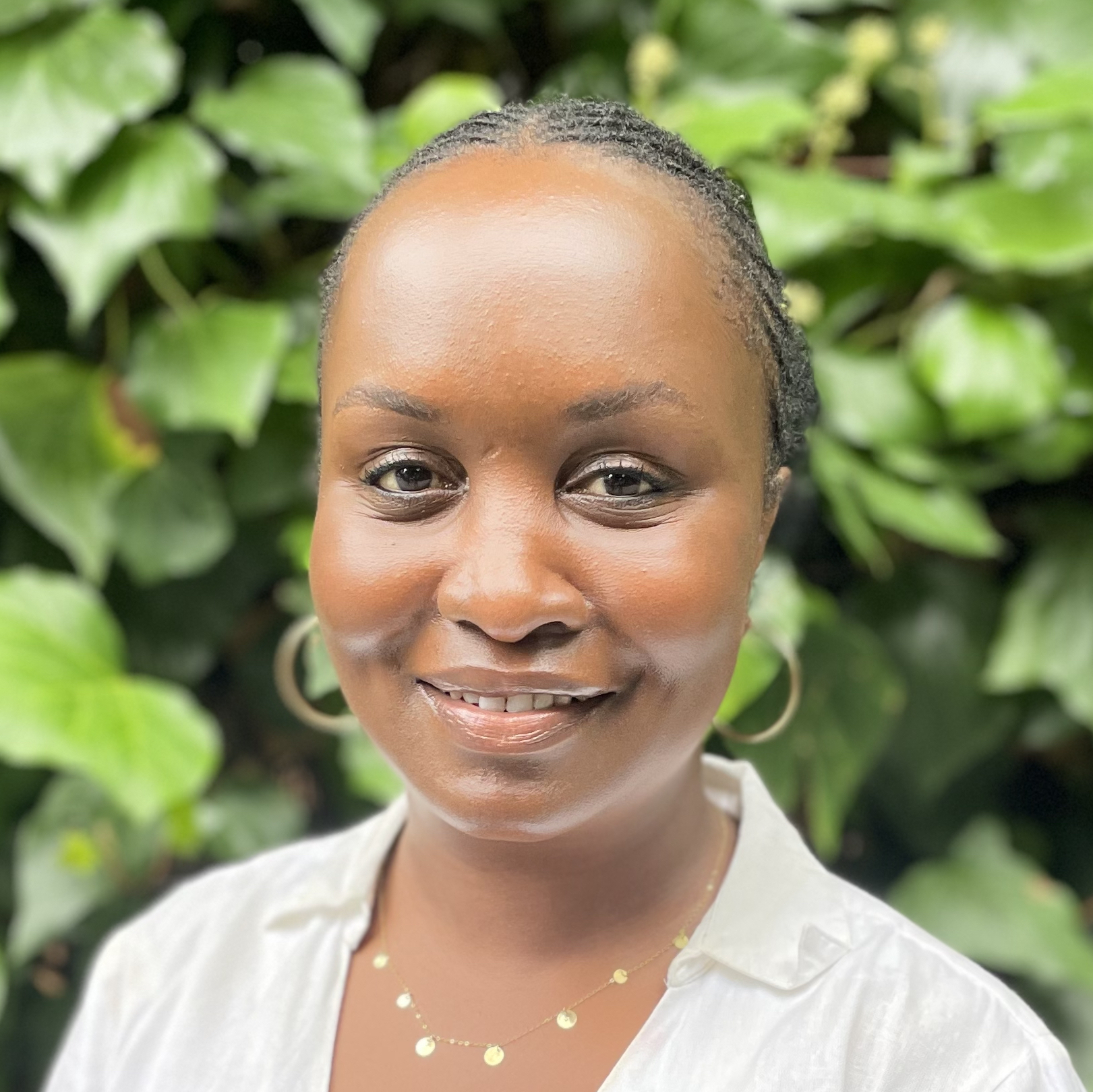
Barbara Chesire
Mulago Lead
s

Total Investment
350000
Grants
0
Equity/SAFE
0
Debt/Convertible Debt
Funded Since
2023
Geography
Sector
Structure
The Mission
Resilient communities thriving in nature
How It Works
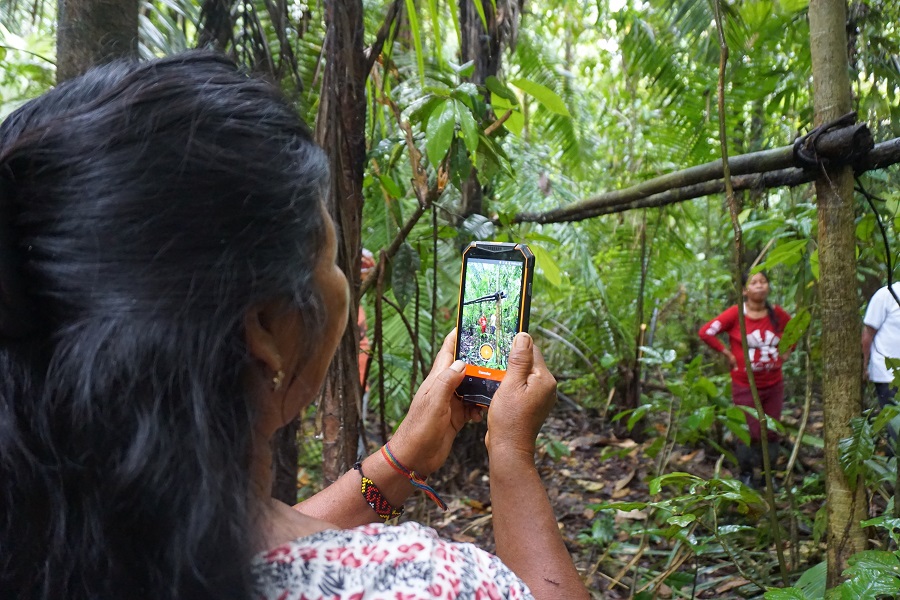
AB Entheos designs insurance to compensate families for losses caused by wildlife. When an incident happens (say an elephant tramples a farmer’s crops), the farmer reports it via mobile phone, AB Entheos sends a field agent to verify the damages, files a digital claim, and pays out via mobile money. The whole process is quick, which prevents retaliatory killings while protecting livelihoods.
The Dream
Human-wildlife conflict insurance schemes, run by private companies and paid for by public funds, covering Africa.
Why We're In
Local communities are often wrongly blamed for killing animals and degrading biodiversity. Human-wildlife conflict insurance is an elegant solution that has a ton of existing evidence. It aligns everyone’s incentives: communities are less likely to retaliate if they know they’re entitled to real compensation, governments and funders get better conservation and livelihoods outcomes, and fewer animals die. The solution can work immediately across almost every vital ecosystem in Africa, where governments earn huge incomes from tourism – and want to keep it that way. It’s early and a lot has to go right for it to scale, but it’s worth a bet.
The Model
A solution that works and can scale.
Right-sized design
figure out who pays, how much, and for what kind of damages. Fits into existing regulatory frameworks governing insurance.
Fast claims
submitted via digital tools.
Fast verification
by independent community verification officers (CVOs) that are trusted locally and not seen as easily-corrupted government officials.
Fast payouts
via mobile money to prevent fraud.
Relevant community education
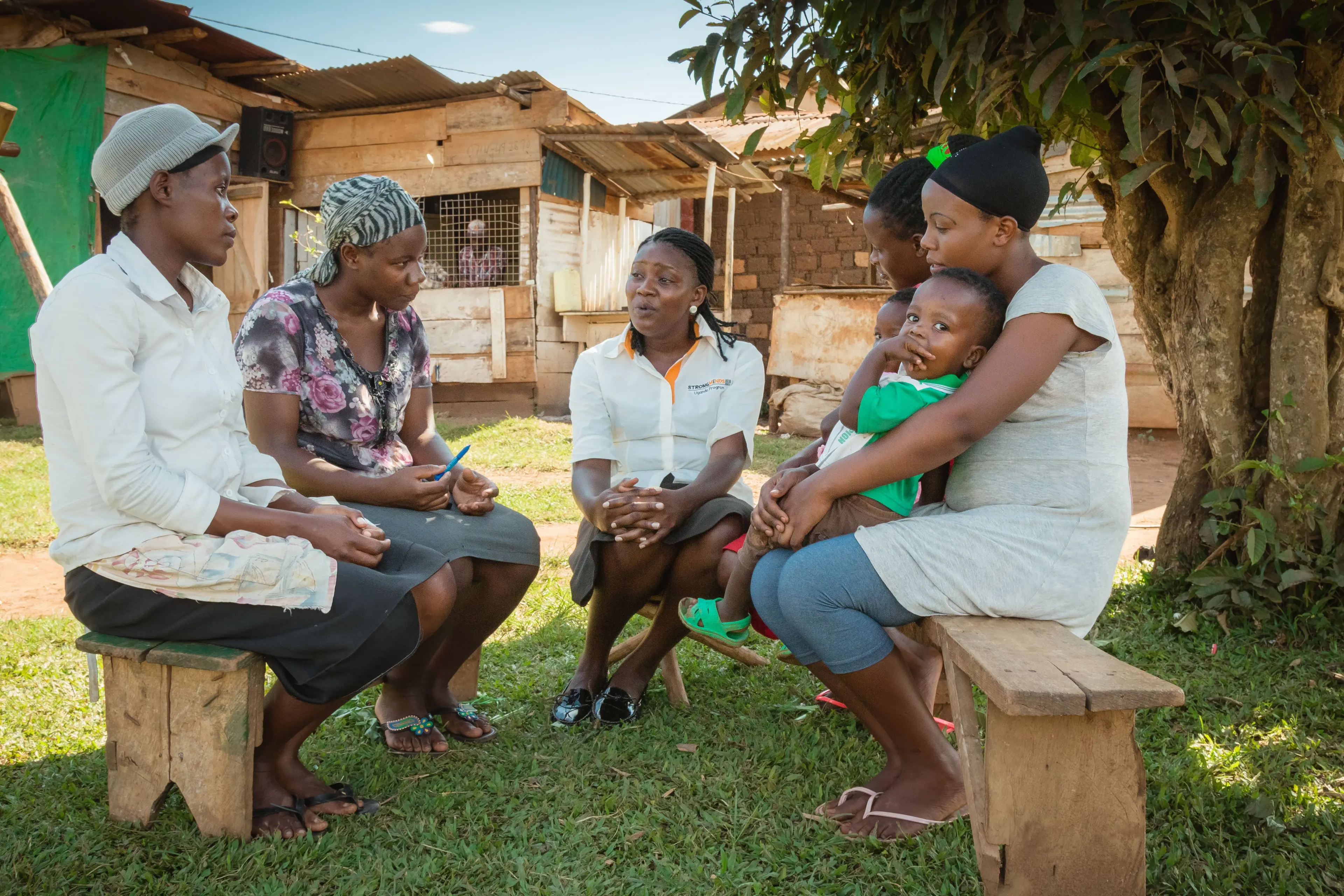
delivered by a gamified program on how insurance works, what’s covered, and strategies to avoid conflict in the first place.
Potential for Impact at Scale
Mulago uses four criteria to gauge potential for exponential impact. The model must be:
This is about impact and evidence. Human-wildlife conflict insurance / compensation has a solid body of evidence , and a number of case studies where it’s worked when done well – including in Kenya, where lion killings dropped to near zero. AB Entheos does not have any 3rd party or rigorous trials to date, but it’s early. They’re starting by tracking two metrics: retaliatory killings, and payouts to households from losses (including things like % of claims paid on time). In early surveys people say they are less likely to retaliate if they have compensation (from 43% likely to kill vs 57% very unlikely). Over time, we’d expect to see stable or growing wildlife populations.
This is about scope. The problem is common across most vital ecosystems in Africa – there are communities living in wildlife habitats facing pressures from all sides. AB Entheos estimates $100m - $200m lost annually to human-wildlife conflict. While the number of people directly affected is small, their impact on ecosystems could be huge. This only works where governments care about wildlife enough to compensate communities, and have enough money to afford to do something about it. Countries where tourism provides significant domestic resources fit the bill – Kenya, Uganda, Zambia, Namibia, South Africa, and Botswana. They also need enough money to make payouts, and maybe where mobile money makes it easy to pay remote communities.
This is about whether businesses can deliver the model. It’s early, and they just delivered their first pilot in Kenya to cover one county, and it’s working (so far). Now, they’re expanding to the 6 counties with 70% of the incidents. The government has plans to go country-wide. The insurance scheme is simple enough to design and run. The community verification officer role may be hard to scale and manage effectively outside of Kenya, where distances can be much greater (ie, Zambia).
This is about what the model costs and whether government is willing and able to pay. In the pilot, the Kenyan government set aside $6 million for premiums to cover 6 counties, with individual payouts ranging from a few hundred dollars for minor damages, to $40,000 for death of a household member. Their business model is to charge a fee on every claim, and make a margin by delivering the service at a low enough cost per claim processed.
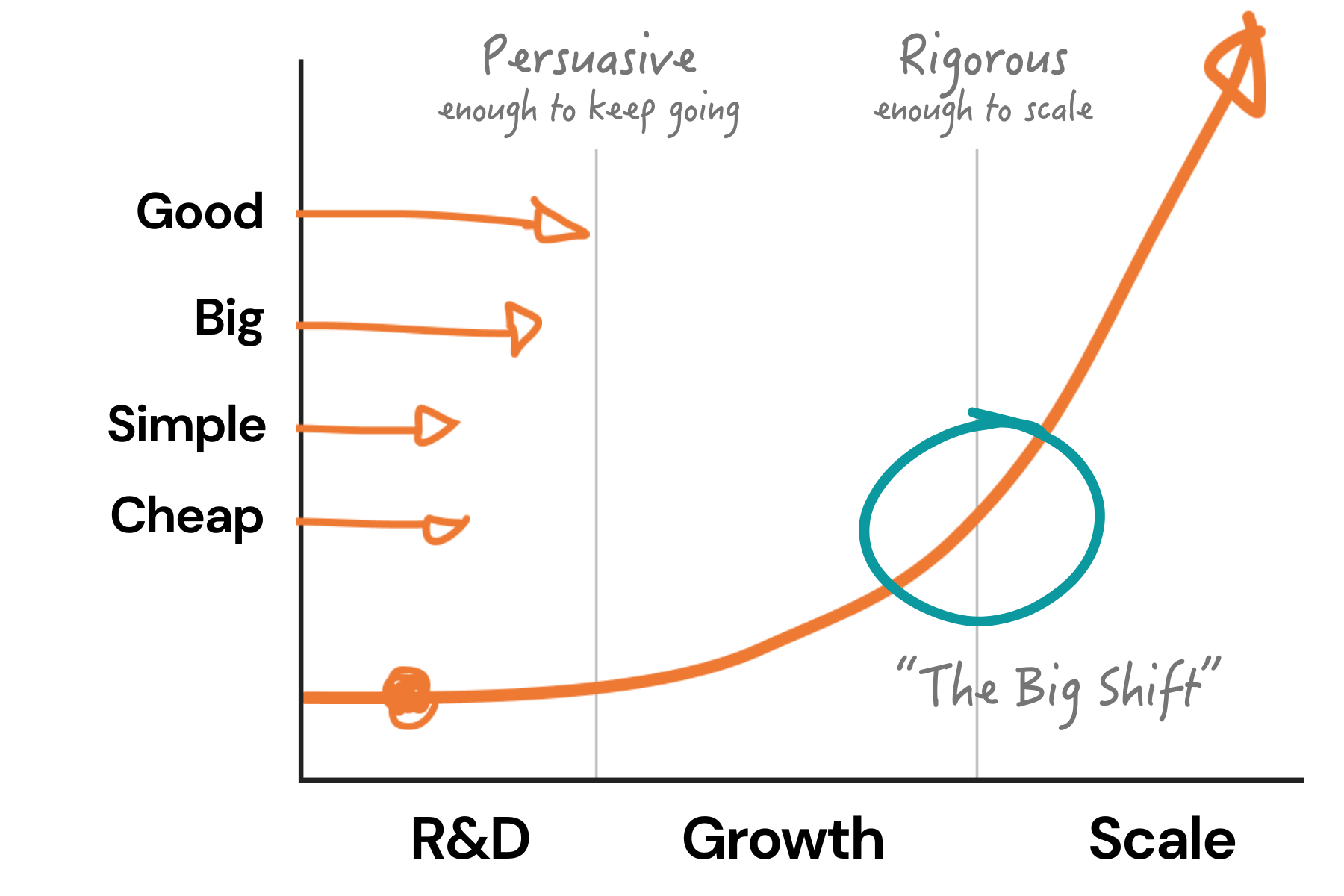
It’s early and AB Entheos are in R&D.
Our Take
It’s early. The existing evidence from elsewhere is solid, but they need to run the solution for longer to generate their own data. We think it’s working in Kenya, but needs some more traction elsewhere to see if it’s more than a one-off case. We don’t know yet if other businesses can or will do it, especially given how hard it is to get paid by government schemes. It doesn’t cost a ton of money compared to other conservation solutions, but AB Entheos will have to prove the solution is worth the investment to payers and insurers alike. And this could all be moot if wildlife habitat continues to be lost.
Are you a serious funder and want to learn more?
This is just a snapshot of what we know about the organization. If you're an investor or funder that might send some serious dough their way, we're always delighted to share more. Reach out and we'll connect you with the right person on our team.
*this is not monitored for funding requests.