Community Health Impact Coalition (CHIC)
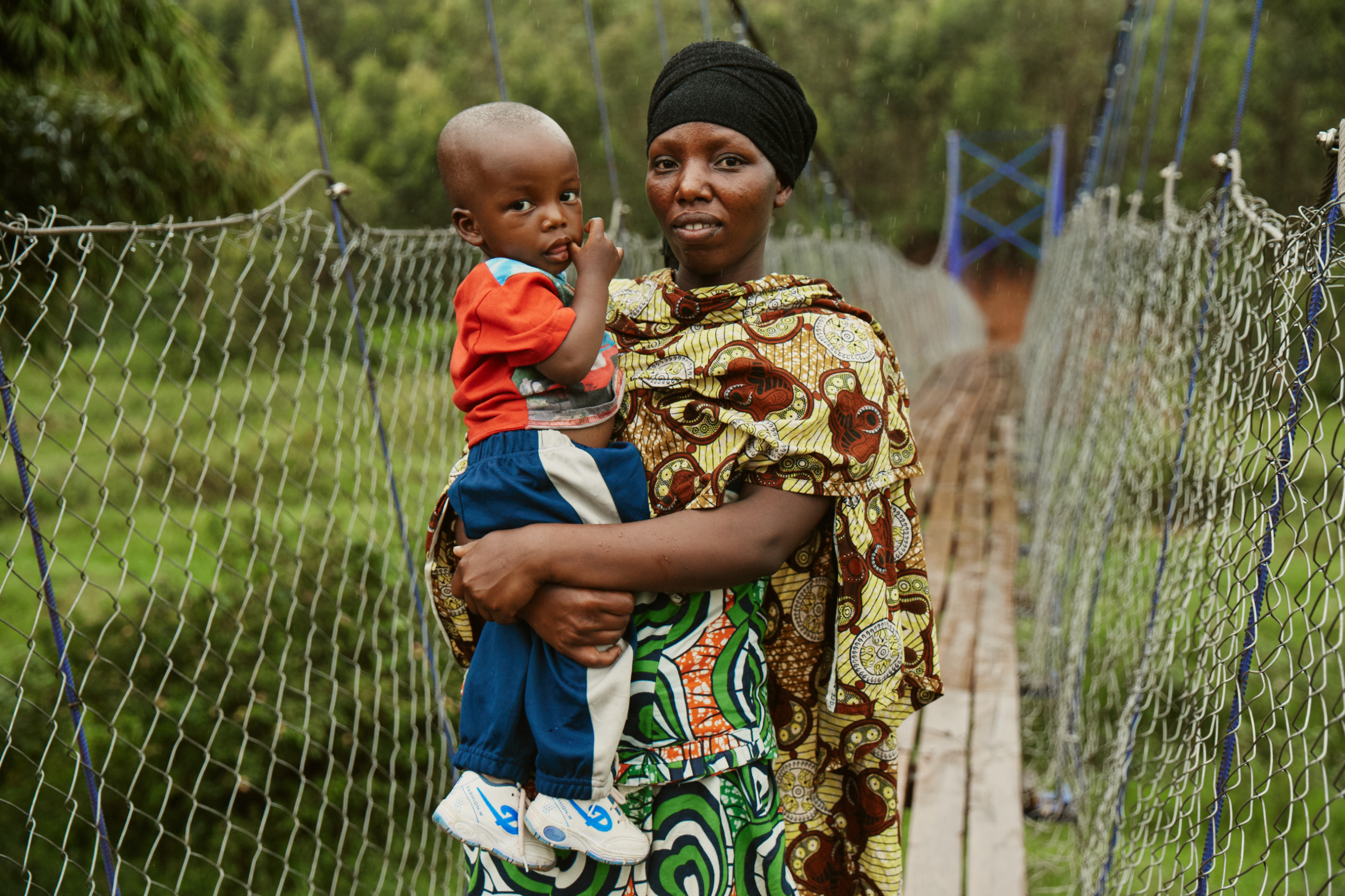
At least a billion people remain out of reach of primary care. CHWs are a central piece of the puzzle, but most programs are poorly designed, underfunded, and mismanaged.
The Idea
Professionalized Community Health Workers (proCHW)
Current Leader
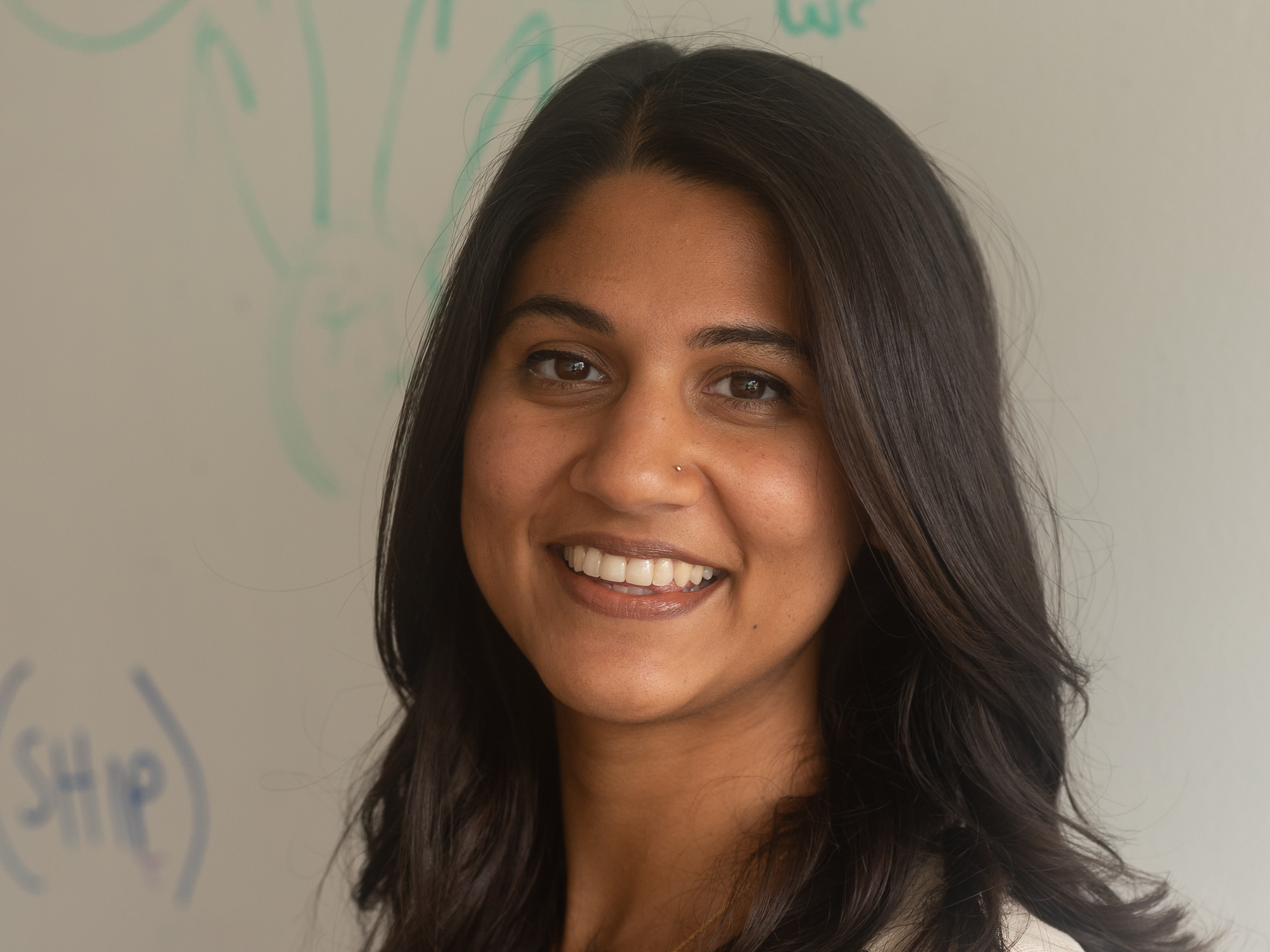
Madeleine Ballard
Mulago Lead
s


Total Investment
1970000
Grants
0
Equity/SAFE
0
Debt/Convertible Debt
Funded Since
2019
Geography
Sector
Structure
The Mission
Universal primary health care.
How It Works
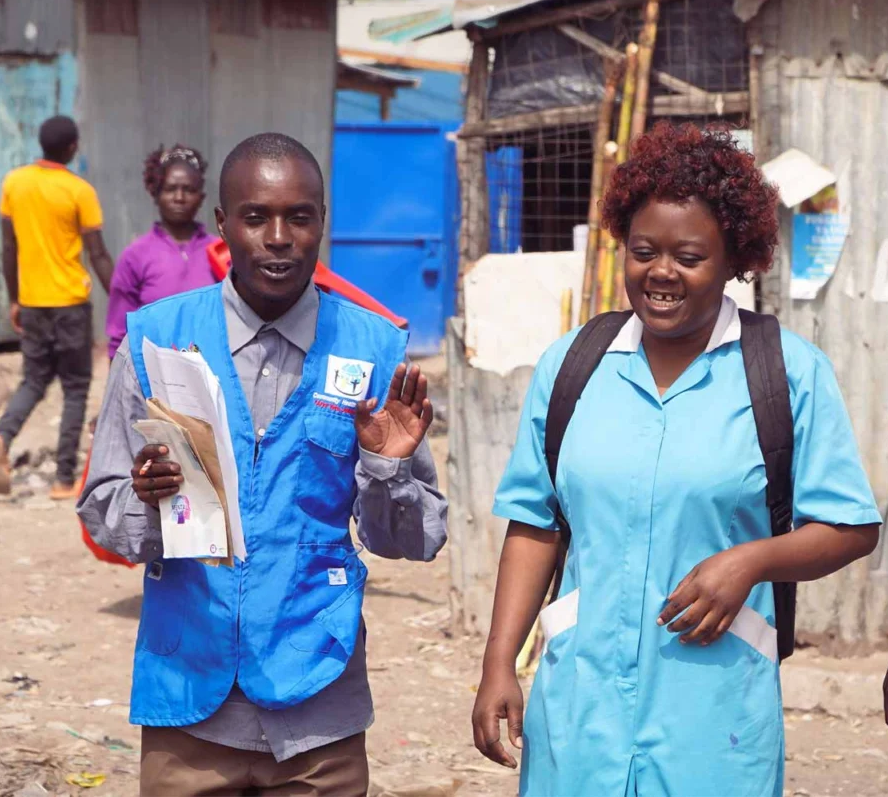
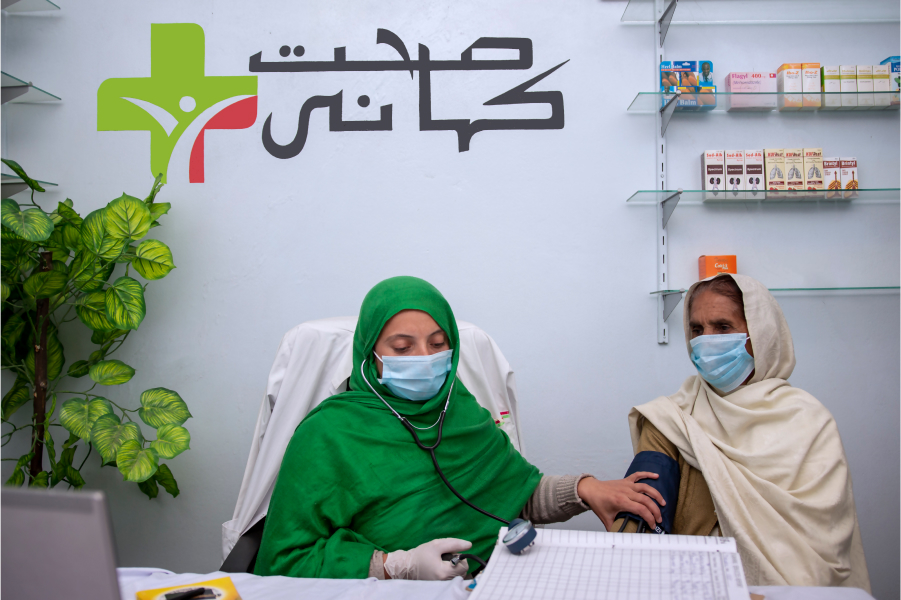
Professional CHWs (proCHWs) are salaried, skilled, supervised, and supplied. Community Health Impact Coalition (CHIC) is a field catalyst scaling the model worldwide. They promote this agenda by 1) coordinating the research that underpins global guidelines, 2) advocating for funding, and 3) winning national policies.
The Dream
Governments in Africa and beyond deliver high-quality healthcare through professional CHWs.
Why We're In
ProCHWs are central to the goal of health care for all, and Mulago supports some of the best organizations in this space. These organizations formed CHIC to drive collective impact, and the results have been impressive—proCHWs are now in the global spotlight. CHIC catalyzed over $500M and 50 of its 92 priority countries have proCHW policies in national plans. Their goal is not policies on paper but real implementation, which they track through a policy dashboard that monitors progress across 100 countries.
The Model
A solution that works and can scale.
Salaries
CHWs compensated fairly
Skills
Good training, competencies assessed prior to practice, and ongoing in-service training provided
Supervision
Supervisors track performance and provide 1:1 coaching on a regular basis
Supplies
CHWs equipped with essential medicines and tools they need
Potential for Impact at Scale
Mulago uses four criteria to gauge potential for exponential impact. The model must be:
This is about impact and evidence. CHIC’s literature review shows that professional community health worker (proCHW) programs can deliver major population health gains. In Mali, Muso’s proCHW model reduced under-five mortality by 63%, even in conflict-affected settings. Integrate Health saw a 30% decline in under-five mortality between 2015 and 2020 in a population of 30,000 in Togo, compared with a 14% national decline over the same period. A randomized evaluation in northern Ghana found a 27% reduction in under-five mortality from CHW deployment. CHWs have also achieved strong disease outcomes, including 100% tuberculosis cure rates in Haiti and 92% retention with 97.5% HIV viral suppression in Rwanda.
This is about scope. Maternal and under-five mortality rates, especially in Africa, remain unacceptably high. Professional community health workers address a major health access and workforce gap. For the model to work, governments must recruit CHWs in rural and remote areas and provide salaries, supervision, and supplies. The broader health system must also support local clinics, essential medicines, and referral pathways to higher-level care. CHIC works to build the political will needed to make this possible. They pursue both top-down strategies—shaping international financing flows and national policy frameworks—and bottom-up efforts that mobilize in-country CHW networks and national CHW-led associations to advocate for professionalized community health systems.
This is about whether governments can deliver the model. CHIC tracks how many functioning national programs exist. So far, governments are adopting national policies and at least partially implementing the model. As of the end of 2025, 50 countries have policies enshrining CHW accreditation and compensation, with a long-term goal of 95+ countries with durable proCHW policies. They’ve developed a proCHW Policy Dashboard that will track implementation signals aligned to the model across 100 countries. These indicators include evidence of domestic financing commitments, budget line items, operational guidance, CHW registries, costed plans, data systems, and supervision structures. Data will be used to continue to push implementation forward in high potential countries.
This is about what the model costs if delivered by government. CHIC published a review of 255 cost-effectiveness analyses across 380 scenarios, finding a median cost of $0.59 per capita per year. This does not represent the cost for a country to implement the full model. The analysis covered five service areas: infectious diseases, NCDs, mental health, reproductive and newborn care, and neglected tropical diseases. It examined cost-effectiveness across different program designs rather than the full proCHW model. Costs varied significantly depending on infrastructure and service intensity. While this provides a starting point, more work is needed to estimate the true cost of delivering the full proCHW model across contexts.
.png)
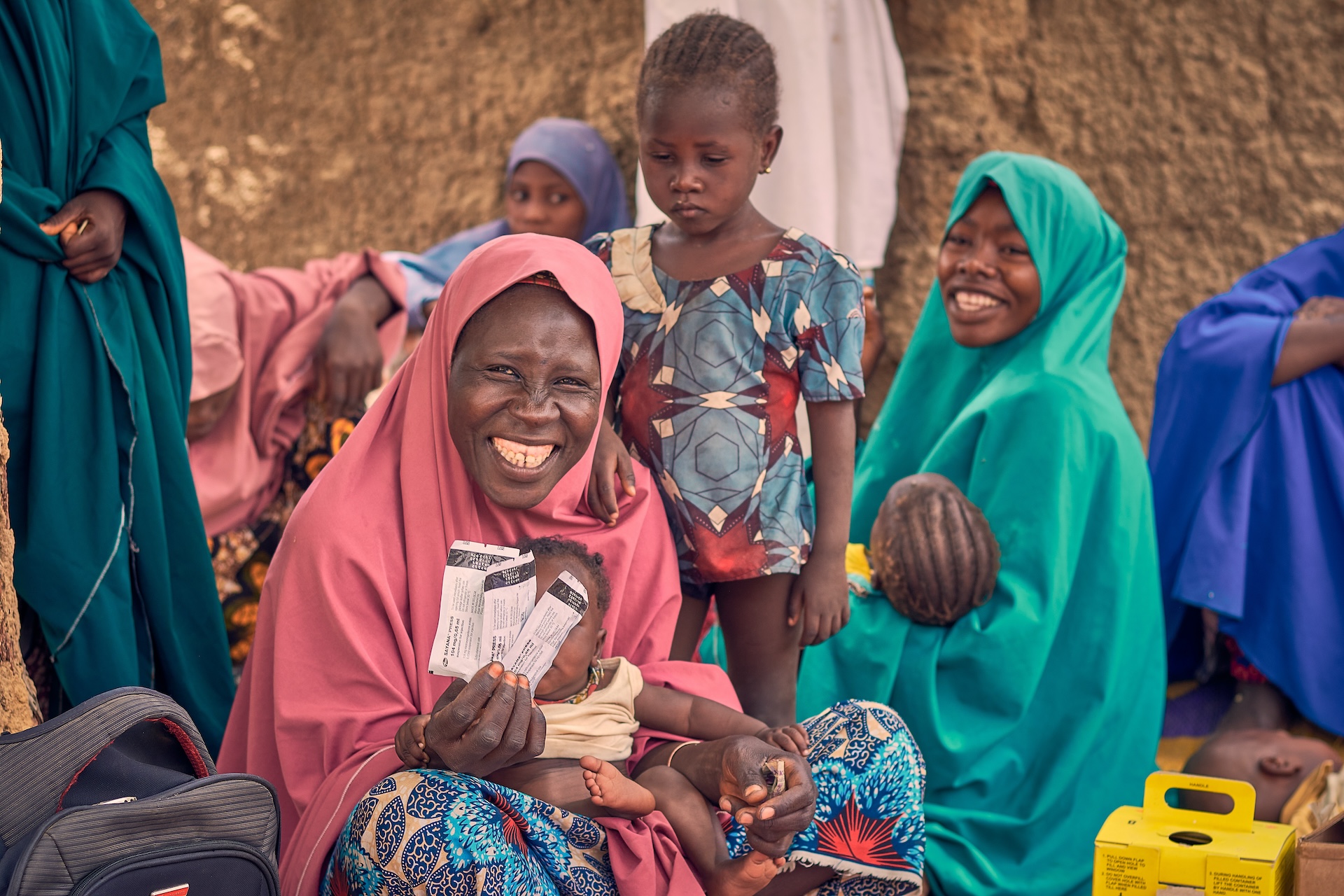
CHIC is Scaling, continuing to coordinate and amplify critical research, growing the total pot of financing for community health workers, and influencing and advocating for national policy adoption.
Our Take
CHIC has a lot of momentum. Their research roundups have had influence with international and national actors on making the case for proCHWs. They are laser focused on centering the narrative on community health workers – a core ingredient for delivering effective primary healthcare in Africa. For instance, their research initiatives now include CHWs as co-authors, and they are helping form CHW associations who urge national African governments to include proCHWs in the health budget and agenda. More specifically, they’re very focused on getting CHWs paid and accredited as a first step to getting the full proCHW model adopted. The policy dashboard will be a key tool for accountability and cross-sector coordination. CHIC still needs stronger estimates of the full model’s cost to help governments see themselves as long-term payers.
Are you a serious funder and want to learn more?
This is just a snapshot of what we know about the organization. If you're an investor or funder that might send some serious dough their way, we're always delighted to share more. Reach out and we'll connect you with the right person on our team.
*this is not monitored for funding requests.
.JPG)

.jpeg)