
Living Landscapes
25% of India’s land exists as a “Commons”—territory that is shared collectively. 350M of India’s rural poor depend on them to meet their basic needs, but they’re degraded.
The Idea
Collective Action for Commons Conservation
Fellow

Jagdeesh Rao Puppala
Mulago Lead
s




Total Investment
650000
Grants
0
Equity/SAFE
0
Debt/Convertible Debt
Funded Since
2023
Geography
Sector
Structure
The Mission
Thriving commons in rural India.
How It Works
Living Landscapes built a coalition that enable local communities to access public funds, restore landscapes, self-govern, and develop sustainable livelihoods. They set up coordinating hubs that include local NGOs, elected representatives, government officials, and national environmental organizations. At a broader level, they drive national policy to unlock more resources for the Commons.
The Dream
Thriving ecosystems where rural communities govern and restore their shared forests, grasslands, and water bodies, improving livelihoods, resilience, and ecological health across India’s Commons.
Why We're In
Living Landscapes is an ambitious amplification play for community-led conservation. The leadership is top-notch, early momentum is strong, and India’s policy landscape is increasingly favorable. The coalition model is promising but complex; much depends on building durable partnerships and systems that don’t rely heavily on ongoing external management.
Delivery
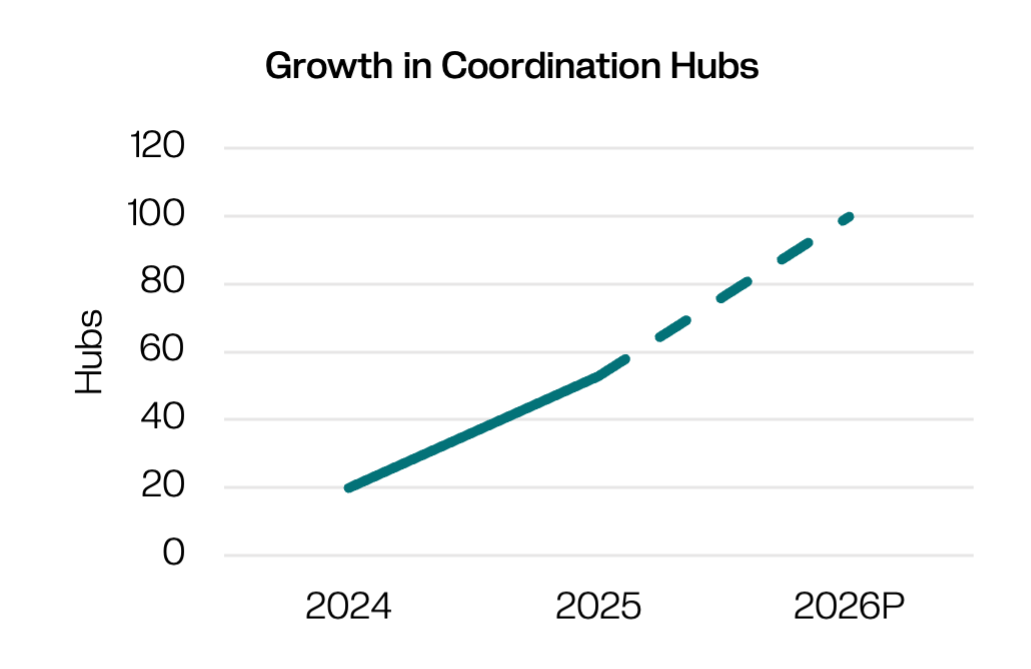
In July 2025 they made 53 Hubs operational, and by the end of the year will reach 86. Each Hub represents one local level entity that coordinates multiple NGOs, government officials, and communities.
The Model
A solution that works and can scale.
Local Hubs
Create and coordinate hubs made up of NGOs, government officials, community organizations. Hubs create conservation action plans, collect data, and engage communities.
Remove bottlenecks
Identify and remove bottlenecks in conservation efforts, and respond to new opportunities in a changing landscape.
Design and modify policies
Integrate ecological priorities into government plans, and help local officials unlock public funding for new, Commons-oriented ideas. Advocate for change at state and national levels through strategic engagement with governments to promote the Commons.
Unlock pro-Commons markets
Attract private sector investment in value chains like agroforestry and non-timber forest products. Make markets more equitable for farmers and communities.
Potential for Impact at Scale
Mulago uses four criteria to gauge potential for exponential impact. The model must be:
This is about impact. We know community-led conservation is highly effective. FES gets 25% increases in biomass and 10% annual increase in water over five years. Living Landscapes should expect similar from their Hubs, However, given the nature of coalition work it will be harder to draw direct causality from their work. Living Landscapes will measure progress by gauging Hub efficacy over time, looking at policy wins at local and national levels, how much money is unlocked (from Government programs and markets) for community models and how information, analytics and tools assist communities in conservation outcomes.
This ia bout the addressable market. Community forests, pastures and water bodies cover 205 million acres in India, or 25% of its landmass. These land and water Commons meet critical household and livelihood needs of more than 350 million rural people. Though designed for such large scale, the initiative would initially concentrate its efforts and track progress in 300 blocks which have the factors for success: strong local NGOs or community organizations, viable livelihoods strategies, and ability to access local or state government funding.
This about whether NGOs can effectively deliver. Commons conservation as a solution is already replicable at scale. Living Landscapes is steering clear of any direct implementation and is instead coordinating existing efforts across the coalition. They set up 53 Hubs in their first two years with their local partners, and will get to 86 by the end of 2025.
It’s unclear how they’ll account for the money spent by government on schemes and livelihoods initiatives directly. This is money already allocated, but it might need to be incorporated into a ‘cost’ metric somehow, especially if government is the Payer.
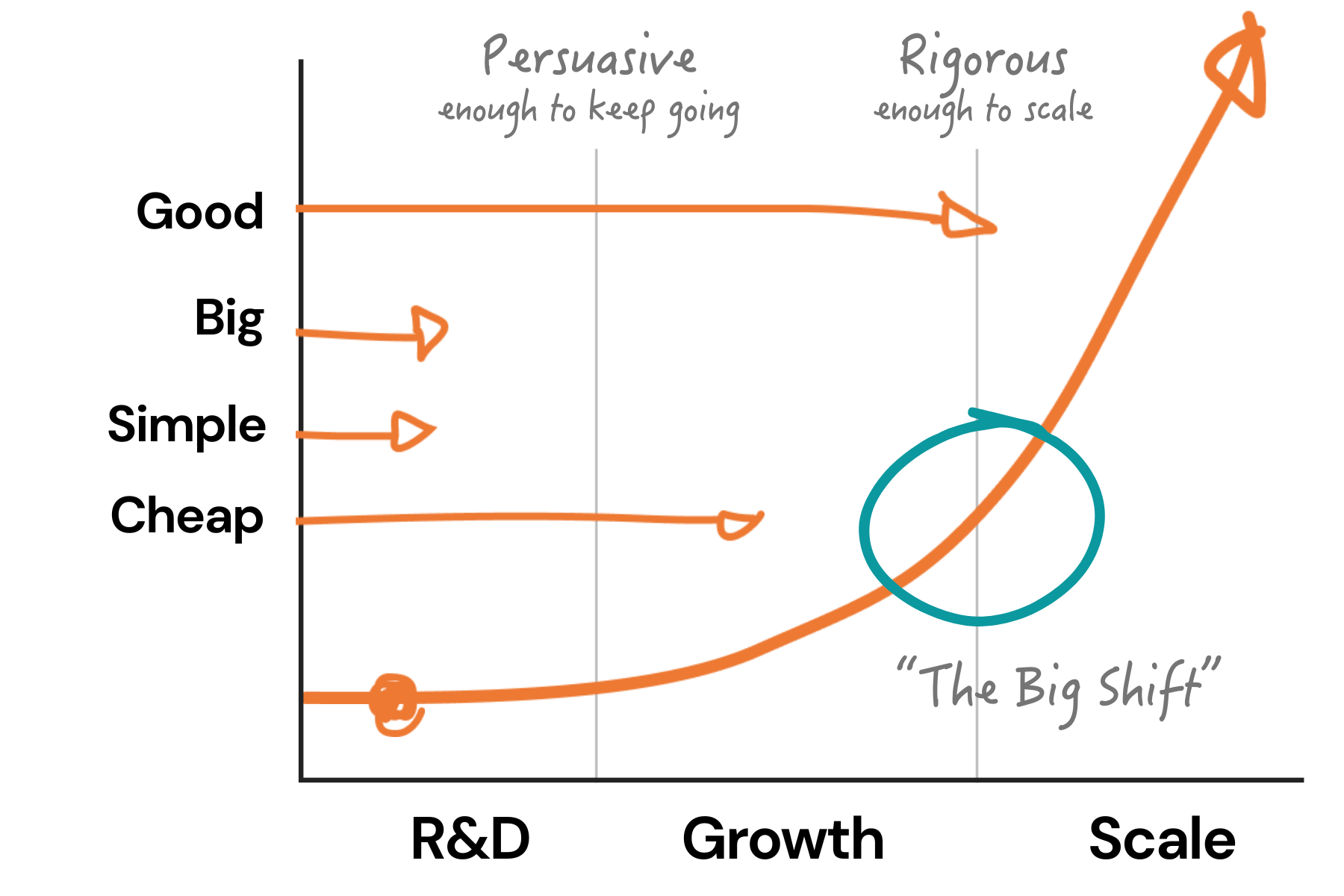
We’re confident in the solution of commons management being Good, Simple, and Cheap.
Our Take
We’re confident in the solution of commons management being Good, Simple, and Cheap. Living Landscapes is really trying to grow where it works, and how fast it can spread. They will need to figure out a better way of communicating their own impact as an organization – especially to evaluate the efficacy of each Hub over time. Their coalition is broad for now, but if they want to get into harder-to-reach areas they’ll need more local partners. Coalition work is inherently messy, and coordinating across this many actors will never be that simple. It’s comparatively cheap; the real test of cost will be how much funding they unlock on behalf of the solution, rather than their own cost-efficiency. They’ve had some big early wins related to unlocking millions of dollars of public money for communities, which is a great start.
Are you a serious funder and want to learn more?
This is just a snapshot of what we know about the organization. If you're an investor or funder that might send some serious dough their way, we're always delighted to share more. Reach out and we'll connect you with the right person on our team.
*this is not monitored for funding requests.

.JPG)
.jpeg)
Foundation for Ecological Security (FES)
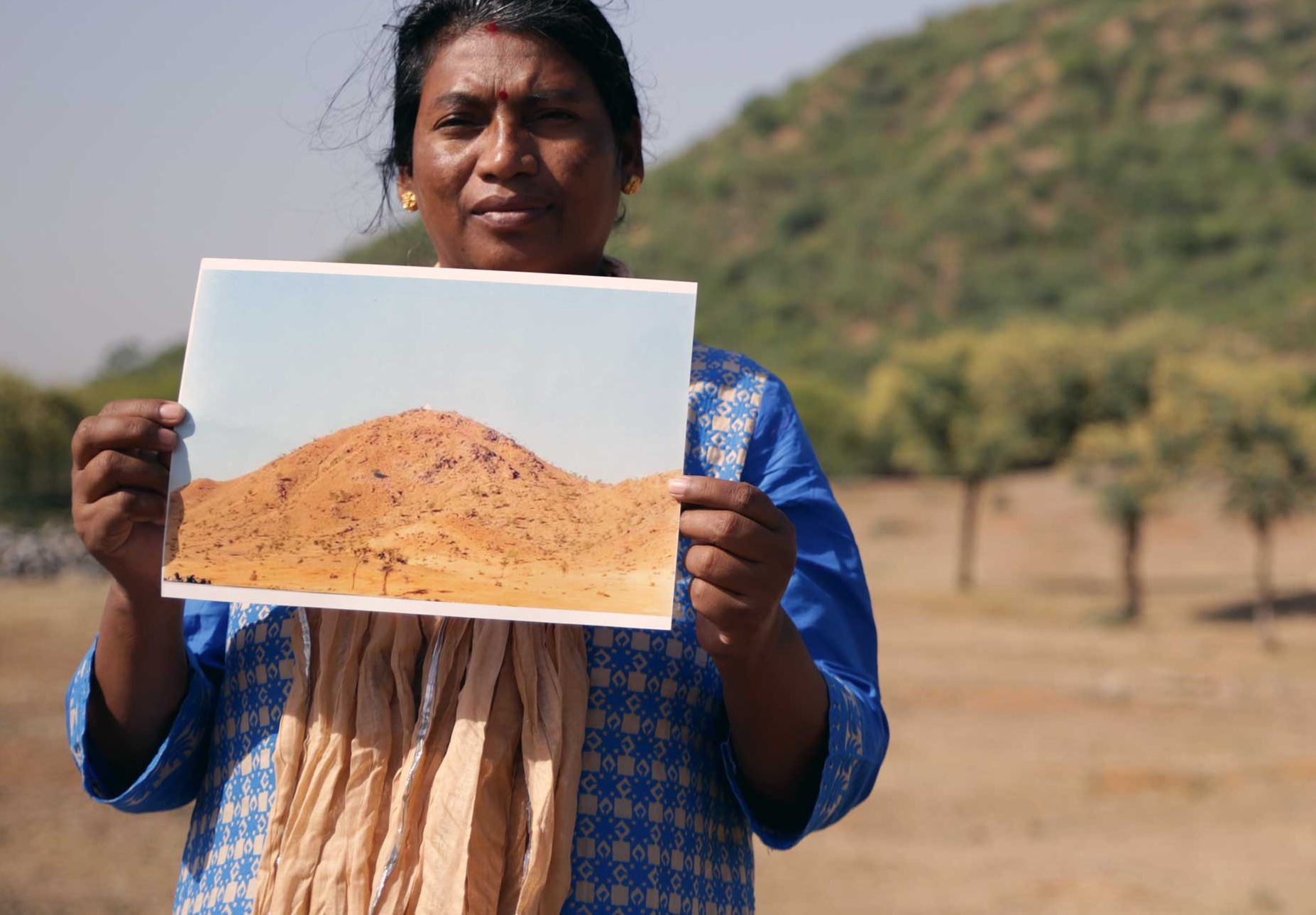
Community-Led Management of Village Commons