BIOSORRA
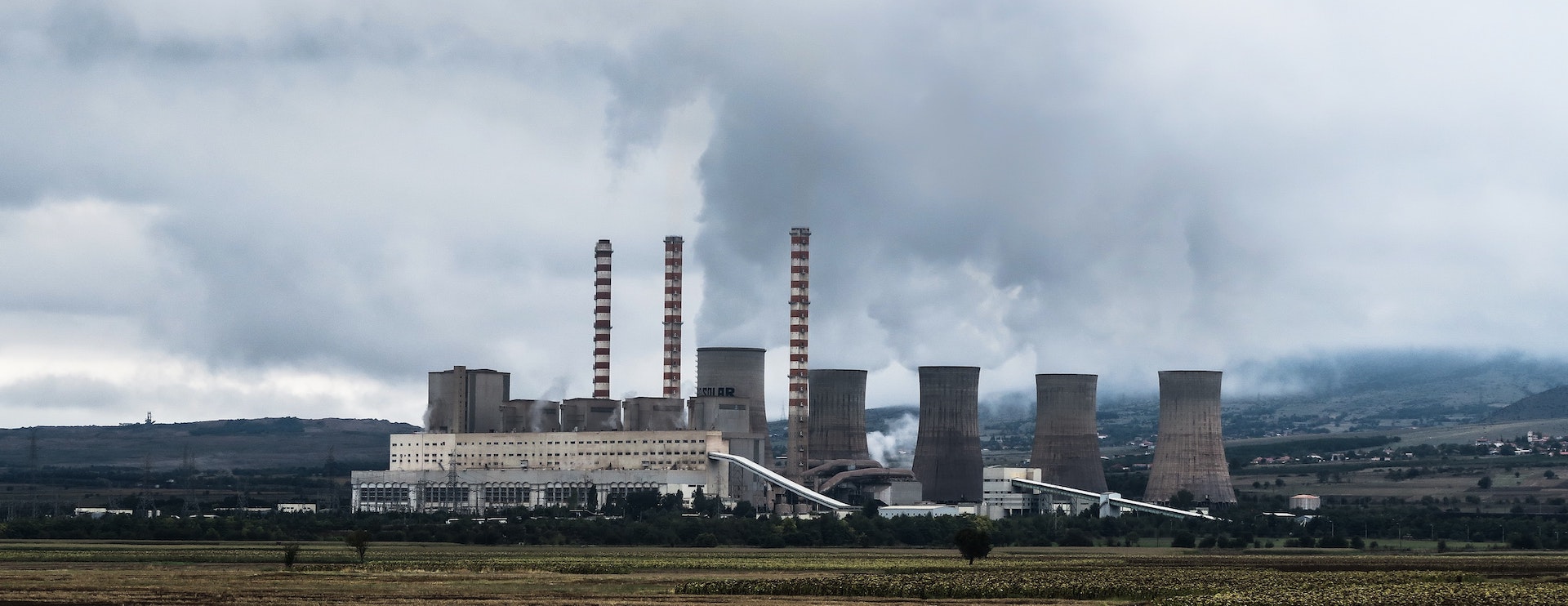
Carbon dioxide is filling the atmosphere faster than natural systems can absorb it, while billions of farmers in the tropics are sitting on mountains of agricultural waste and farming in degraded soils. The technology to turn that waste into a permanent carbon sink and a soil enhancer exists, but deploying it efficiently is hard, especially considering operational challenges in the tropics.
The Idea
On-site Biochar
.png)

Total Investment
350000
Grants
0
Equity/SAFE
0
Debt/Convertible Debt
Funded Since
2024
Geography
Sector
Structure
The Mission
Remove CO2 from the atmosphere.
How It Works
BIOSORRA sets up on-site pyrolysis plants at agribusiness partner sites in the tropics, converting crop waste into biochar—a stable, soil-enriching form of carbon that locks CO2 away for hundreds of years. Partners provide feedstock (crop waste at zero cost to BIOSORRA), site access, and their farmer distribution networks. In return, they get free waste management and their farmers get a powerful soil enhancement that boosts yields by 40%. BIOSORRA sells carbon removal credits to corporate buyers.
The Dream
Agribusinesses host BIOSORRA’s on-site plants, turning waste into biochar and enriching farming soils for their farmers. Corporate carbon buyers finance the whole system.
Why We're In
Biochar is a durable, verifiable carbon removal technology. And it can scale in poor countries. Previous efforts have been derailed by high logistics and supply-chain costs—it’s expensive to cart around tons of agriculture waste. BIOSORRA’s plan is simple: go on-site at agribusinesses, use their waste, produce biochar that improves soil, and sell the credits. They’ve gone from 170 kg/day to ~1 metric tons/day in a year, have meaningful carbon credits offtake commitments, and a validated strong foundation in the agronomic and carbon removal science. The model is still early but the logic is sound: on-site processing works for agribusinesses, carbon offtakers, farmers, and for BIOSORRA itself.
Delivery

BIOSORRA's biochar production jumped from 170 kg/day to ~1 metric ton/day from 2024 to 2025 and it expects to more than quadruple production in 2026.
The Model
A solution that works and can scale.
Select the Right Crops
Partner with end-to-end agribusinesses that have agricultural waste and need biochar in their value chains.
Build On-Site Plant to Produce Biochar
Install equipment at an ag processing facility and convert the company’s biomass waste into biochar via pyrolysis. The agribusiness gets waste management, biochar and carbon incentives.
Biochar Distribution
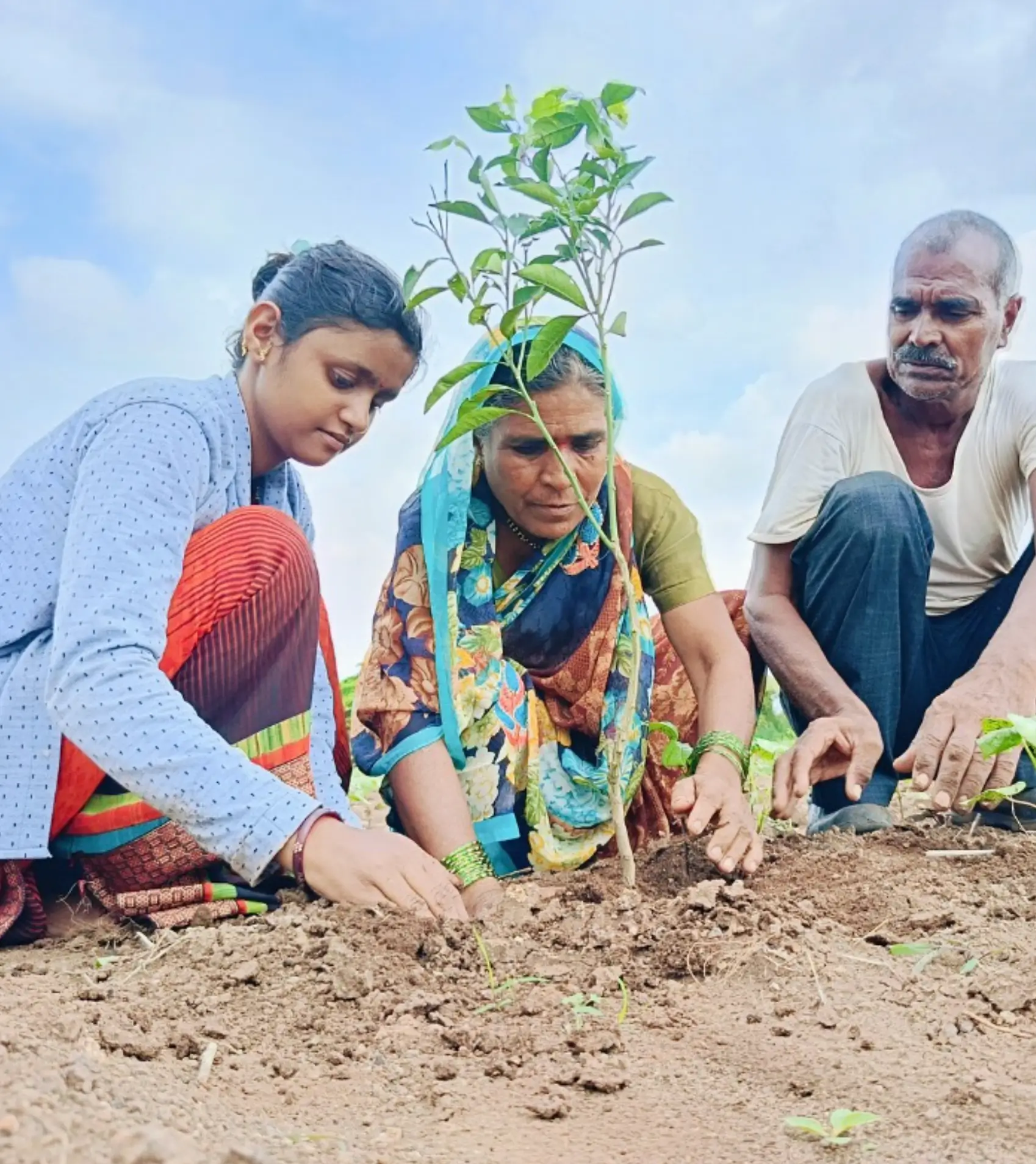
Distribute biochar to farmers via the agribusiness’s existing network. Farmers mix it with inputs they have available and apply it to their farm soils.
Carbon Credit Sales with Revenue Sharing
Sell high quality biochar carbon removal credits and share credit revenues with the agribusiness’s farming network.
Monitoring, Reporting and Verification and Carbon Certification
Certify AgriCarbon Hub sites and run in-house high-quality carbon monitoring, reporting and verification system.
Potential for Impact at Scale
Mulago uses four criteria to gauge potential for exponential impact. The model must be:
This is about impact and evidence. Carbon removal evidence is strong: Each ton of BIOSORRA’s biochar sequesters net 2.5 tons of CO2e per third-party lab analysis and Carbon Standards International certification. Biochar durability is well-established in the scientific literature, showing it sequesters carbon for 100–1,000+ years. BIOSORRA biochar is already built to last centuries in the soil, and they’re pushing to make that last even longer.
Soil evidence is earlier stage. Field trials show 15-25% yield improvements, meaning each $1 in biochar invested creates $0.66 additional profit for farmers. Systematic soil organic carbon (SOC) measurement across all application sites at 2-5t/ha raises SOC by 10-25% within two to three seasons. For each kilogram of biochar applied in the soil, farmers increase 0.19pp of pH (a key agronomic farm soil health parameter), but their sample sizes are small so far. Water retention through biochar’s porous structure improves water holding capacity by 30%, which is critical in semi-arid regions.
This is about scope. The voluntary carbon market for biochar is growing ~80% annually; the total carbon removal addressable market is projected at $50B by 2030 (BCG) and $200B by 2050 (Morgan Stanley). BIOSORRA’s Atmosfair carbon offtake contract alone requires 733t CO2e/month from September 2026.
There's a constant supply of agricultural waste in the tropics. Most of it is burned, decomposes or is put to low-value use. The model works where agribusinesses aren’t using their waste otherwise—previously, ag waste had to be transported to centralized processing facilities.
Key constraints: upfront financing for CapEx, access to free ag waste, technology to work at 10K–20K tCO2e/year throughput, validating costs close at scale, replicating the model to learn at scale, building for doers at scale, and finding a payer at scale.
This is about whether businesses can deliver the model. BIOSORRA has one on-site plant operating and growing (6 metric tons/day vs. 170 kg/day a year ago) and it is building its operational playbook. The last-gen technology is not yet simple enough to replicate. The operating model—co-location with agribusinesses, production management, certification pipeline and farmer distribution, is something BIOSORRA has proven at small scale and is expanding.
BIOSORRA is figuring out the best biomass feedstock recipes to optimize the highest CO2e (as its key carbon metric) and pH (as the key soil agronomic metric) and optimizing deployment.
This is about what the model costs and whether customers are willing and able to pay. The actual numbers are confidential, but the current key cost drivers are maintenance and electricity which both are roadmapped to drop considerably. At a 12-15K tons biomass/year per site, BIOSORRA projects a 45% EBITDA margin and 23% net profit margin per site. Current costs are above target but the improvement roadmap is plausible.
.png)
BIOSORRA is in R&D stage, tuning its model before expanding. Here’s what we know so far:
Our Take
BIOSORRA’s carbon removal impact is well-grounded—certified, durable, and scientifically validated. The market is large and growing. The critical uncertainty is whether their model can get simple enough and cheap enough to scale; today they have one operating plant and costs are above target. A significant throughput increase in a year points to a promising trajectory, but technological and operational complexity persist. The payer story is exciting given committed offtake and a growing premium carbon credit market.
Are you a serious funder and want to learn more?
This is just a snapshot of what we know about the organization. If you're an investor or funder that might send some serious dough their way, we're always delighted to share more. Reach out and we'll connect you with the right person on our team.
*this is not monitored for funding requests.