Honeyguide
Tanzania’s Wildlife Management Areas (WMAs) are landscapes designated to benefit communities and wildlife. Yet, they often fail because they’re unable to provide a living for people.
The Idea
Livelihoods-first Community Conservation.
Fellow

Sam Shaba
Mulago Lead
s


Total Investment
600000
Grants
0
Equity/SAFE
0
Debt/Convertible Debt
Funded Since
2023
Geography
Sector
Structure
The Mission
Thriving People, Healthy Ecosystems.
How It Works
Honeyguide equips communities with governance and management structures that enable effective, collective decision-making. Then, they help communities pursue activities that generate income, create social value, and protect wildlife. As these systems mature, communities operate and sustain them independently. Value is delivered and ecosystems are sustained.
The Dream
Livelihoods-first conservation is practiced across SSA, exemplified by WMAs in Tanzania, which use a ‘stack’ of income-generating opportunities to pay for their ongoing expenses and deliver value to communities.
Why We're In
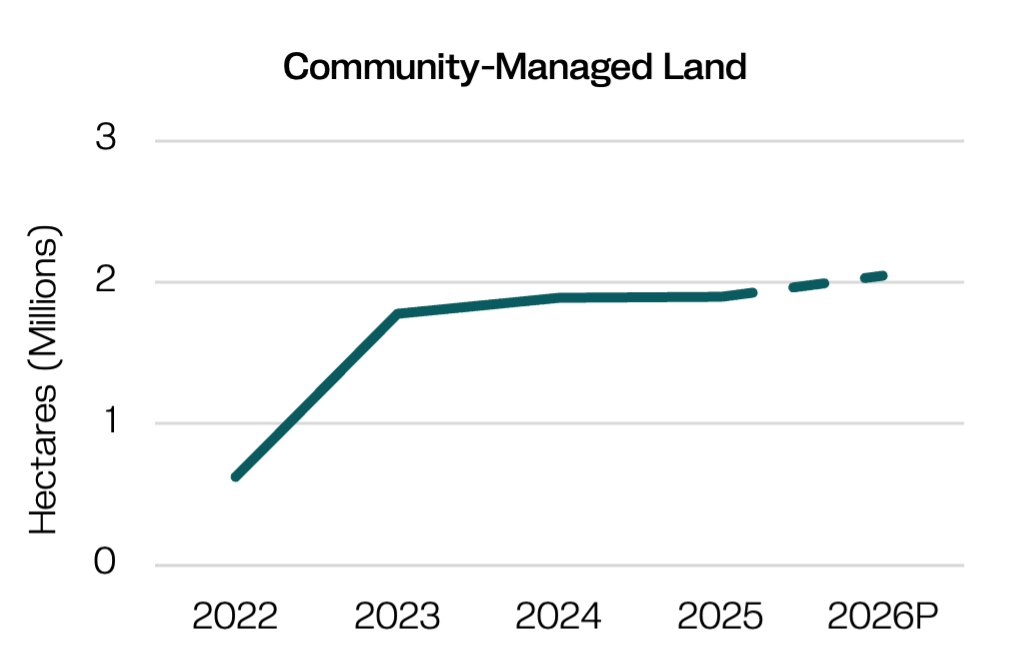
Conservation only works when people can make a living off the land. Honeyguide is creating the playbook for WMAs; they’re now in 13, covering 2.1M hectares. Their wildlife and carbon solutions are working—one of their sites generated $1.7M last year. Now, they’re testing non-carbon income opportunities with the Sustainable Finance Coalition. Their CEO, Sam Shaba, is focused on finding what works across their 13 WMAs and leveraging those successes for the community-led conservation movement across Africa.
Delivery
The Model
A solution that works and can scale.
Governance and management
Honeyguide supports communities to develop governance and management structures that enable communal decision-making and ensure communal areas deliver long-term value.
Ecological integrity
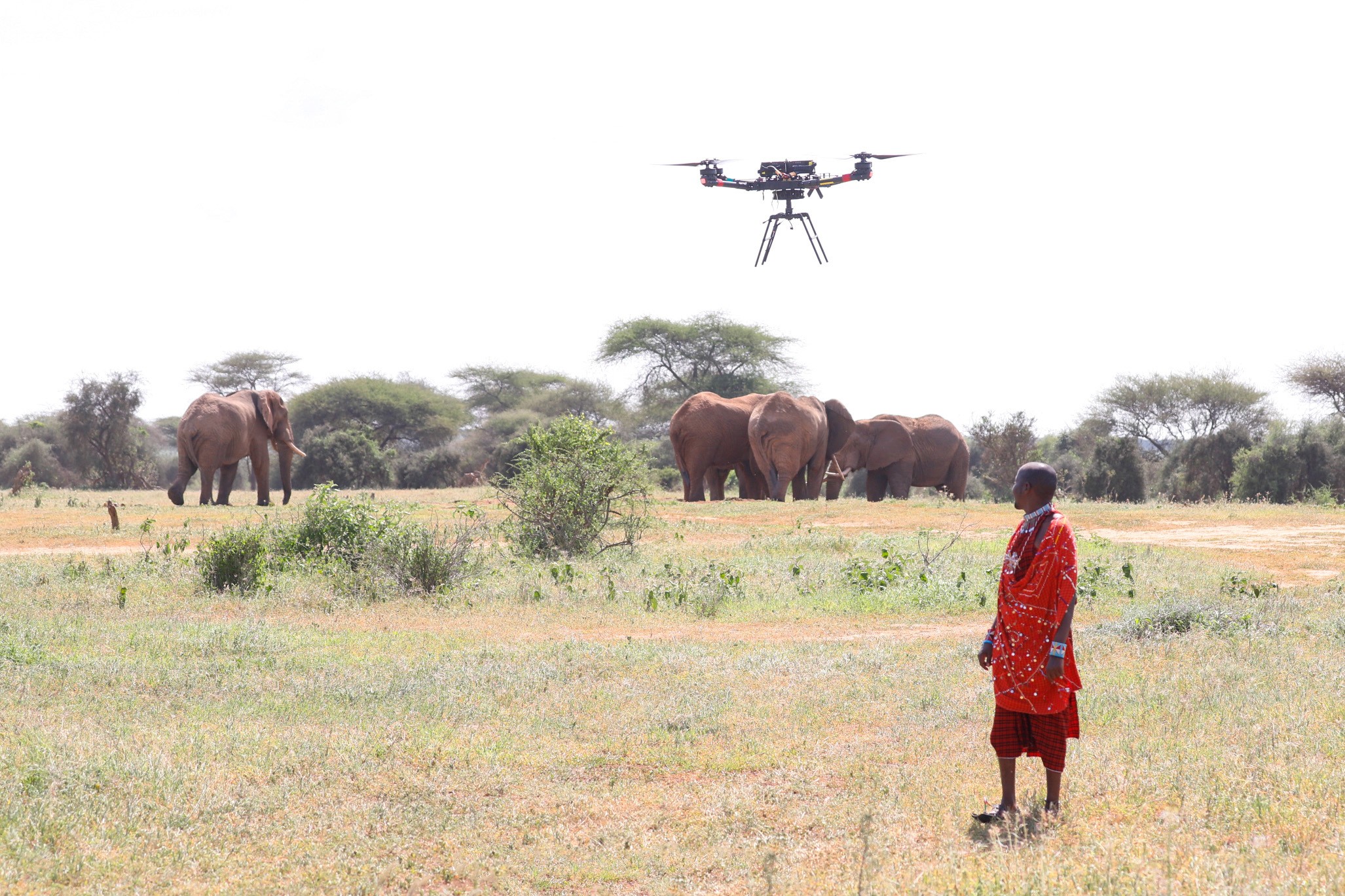
Honeyguide helps communities set targets for the place-based ecological outcomes that matter most and train them to measure progress against them. This includes setting up protection units and eliminating illegal activities (e.g., poaching).
Value Portfolio
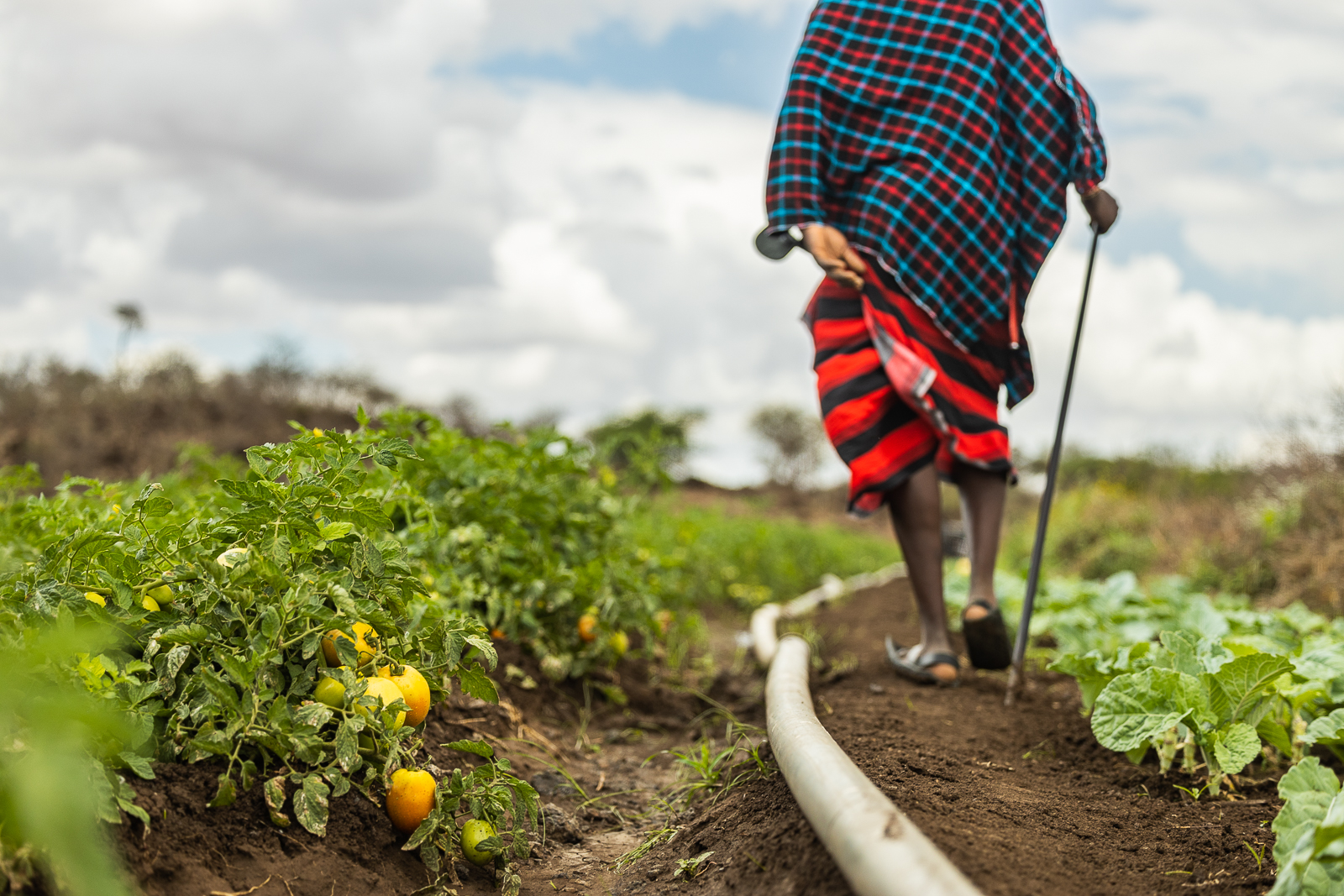
Honeyguide helps WMAs determine and develop the right income-generating opportunities (e.g., tourism, carbon) for their area which maximize social and financial value while keeping local ecosystems intact. They ensure the money generated is reinvested in community priorities (e.g., education, health, water).
Potential for Impact at Scale
Mulago uses four criteria to gauge potential for exponential impact. The model must be:
This is about impact and evidence. In the long run, Honeyguide needs evidence of ecological integrity; today, their work builds on an existing body of evidence that communities are the best stewards of land. To validate their model, they must also demonstrate their livelihood stack works and communities generate money to sustain WMAs. They’re making progress: two WMAs supported by Honeyguide are financially self-sustaining. Four more are on their way, already covering 50% of their operational costs from community-generated income. Recently, Honeyguide collected baseline ecological, social, and financial data for 8 out of the 13 WMAs (the rest will be completed by mid-2026). This will enable Honeyguide to conduct a pre-post analysis of its impact on WMAs. Externally, a 2024 wildlife monitoring study conducted in the Tarangire Ecosystem in Northern Tanzania found that a Honeyguide-supported community-based conservation area helped stabilize herbivore populations, reduced human-wildlife conflict, and restored migration routes. Honeyguide is piloting wildlife monitoring and satellite-based habitat monitoring for WMAs to track wildlife numbers, ecological trends, and habitat conditions. For both financial sustainability and wildlife protection to work, Honeyguide needs to get communities on board. They have qualitative evidence they are effective at this – In 2025, a peer-reviewed study showed local attitudes shifted from WMA opposition to widespread support in the Randilen WMA after Honeyguide intervention.
This is about scope. There are 24 WMAs in Tanzania covering over 2.7M hectares of land, with 13 more WMAs under development on unoccupied unprotected village land. A WMA contains multiple communities within it; there is an average of ~9 communities in each of the WMAs Honeyguide serves. The learnings from Tanzania WMAs can apply to other community-led conservation efforts globally. While WMAs are the core focus, Honeyguide believes the methodology can also be applied to marine and village forests and conservancies in Tanzania and beyond.
This is about whether nonprofits can deliver the model. Honeyguide launched an online learning hub last year to help other nonprofits replicate its strategies. It is a good start, but the content is a work-in-progress. They are focused on capturing what their experts do to professionalize WMAs and translating that into playbooks (e.g., templates, training manuals, assessment tools) for laypeople. Honeyguide will pilot the use of playbooks internally with recent college graduates and externally with one NGO. This will help Honeyguide iterate on its scale strategy .
This is about what the model costs if delivered by nonprofits and whether philanthropy is willing and able to pay. Honeyguide currently needs 600K - 1M USD over five years of capital expenditures to professionalize a WMA. The cost of professionalizing WMAs will be funded by philanthropy (for Honeyguide and copycats). After this upfront cost, each WMA needs 150K USD in net revenue annually to sustain itself. Of the WMAs which earn revenue, 70% is from carbon and it will likely be the main revenue source for WMAs for the foreseeable future; thus, nailing the carbon playbook is critical for WMA success. In 2025, Honeyguide signed an MOU with Carbon Tanzania for the next ten years to do just that. This will be the first national inventory of carbon-feasible community conservation areas in Tanzania and will position its WMAs for long-term carbon investment. Further, Honeyguide worked with Sustainable Finance Coalition to evaluate 10 non-carbon finance solutions; they shortlisted three to test this year, including conservation trust funds and biodiversity credits. This is critical because for some WMAs carbon credits will not be an option.
.png)
Honeyguide is in early growth.
Our Take
Honeyguide have demonstrated a proven model for financial sustainability within two WMAs and are halfway there with four more. It’s a big win that one of their WMAs is considered the gold standard in Tanzania, but they’ll need to show it works across all WMAs. On the conservation front, early signals indicate Honeyguide helps stabilize wildlife populations and reduces human-wildlife conflict; now, they are laying the groundwork for more rigorous impact evaluation in WMAs. To make their work simpler, they are codifying a playbook for other nonprofits to replicate their model. Honeyguide’s work will continue to be paid by philanthropy. For WMAs, Honeyguide is exploring non-carbon financing options, but until proven otherwise, WMAs will rely on carbon money for their operating expenses. The partnership with Carbon Tanzania is a good start and will help position more WMAs for carbon investments.
Are you a serious funder and want to learn more?
This is just a snapshot of what we know about the organization. If you're an investor or funder that might send some serious dough their way, we're always delighted to share more. Reach out and we'll connect you with the right person on our team.
*this is not monitored for funding requests.

Community Health Impact Coalition (CHIC)
Professionalized Community Health Workers (proCHW)