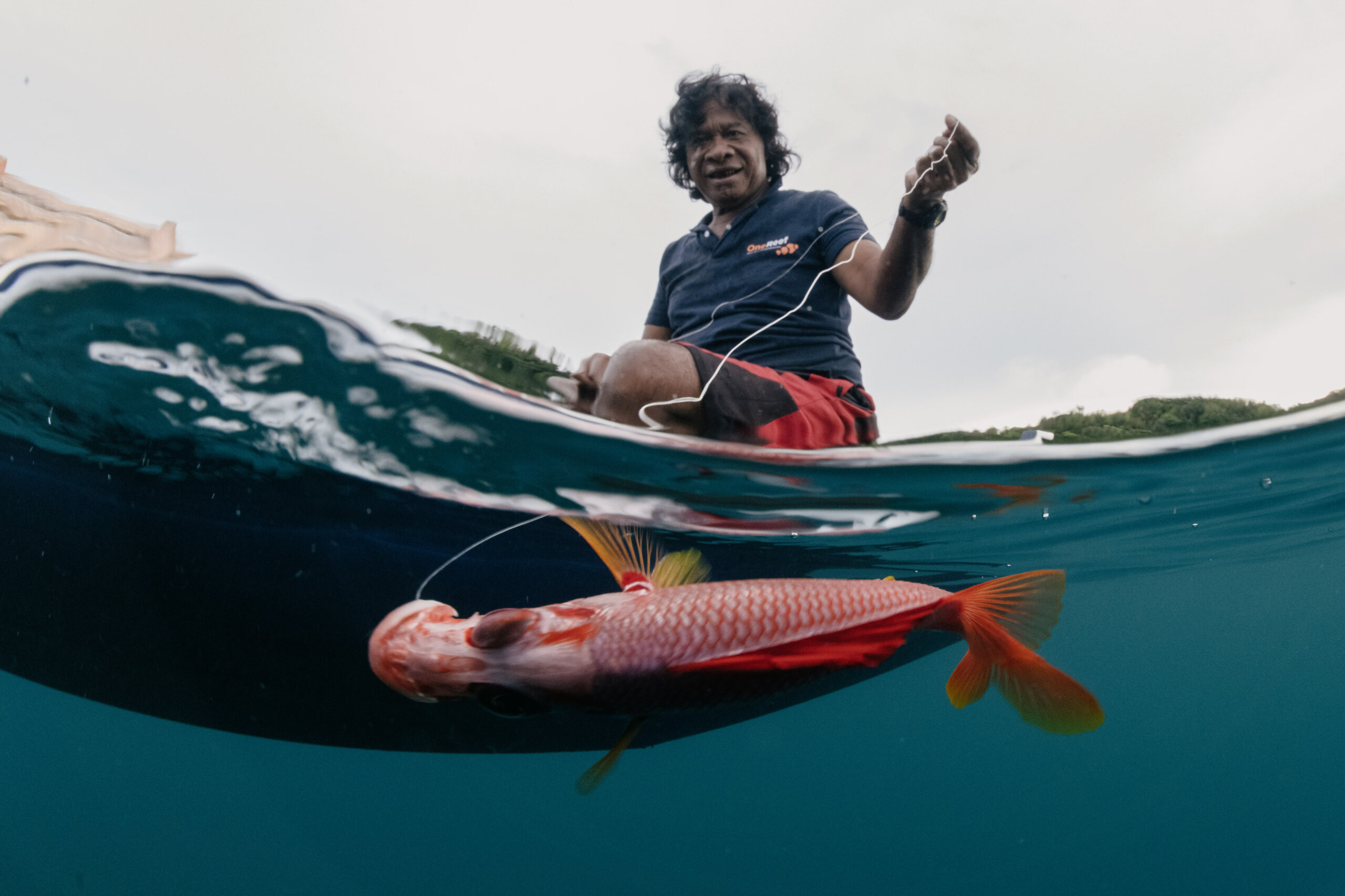
Uduma
For-profit water solutions leave out the rural poor, NGO solutions don't scale, and government systems too often fall into disrepair.
The Idea
Rural Water Utilities
Fellow
Mikael Dupuis
Mulago Lead
s

Total Investment
850000
Grants
0
Equity/SAFE
0
Debt/Convertible Debt
Funded Since
2023
Geography
Sector
Structure
The Mission
Safe water for everyone, forever.
How It Works
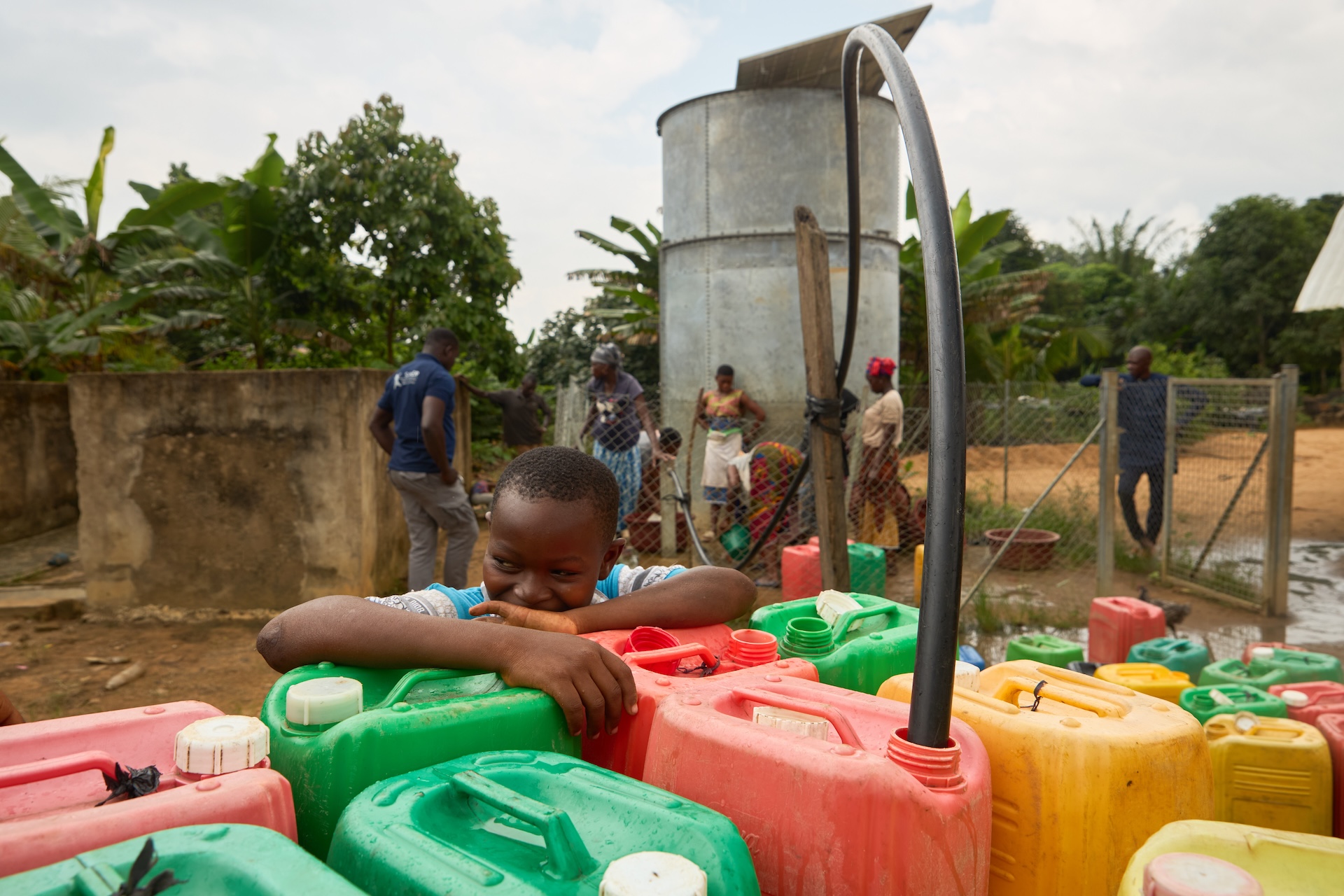
Uduma operates and maintains government water infrastructure. The government must build and repair infrastructure, while Udama assures that water is clean, plentiful, and affordable. As part of the deal, water districts are structured to combine profitable peri-urban areas with remote, unprofitable ones. This mandated cross-subsidy, combined with the government obligation to build, means that Uduma makes a profit serving everyone.
The Dream
Water utilities provide safe, plentiful water to everyone, forever.
Why We're In
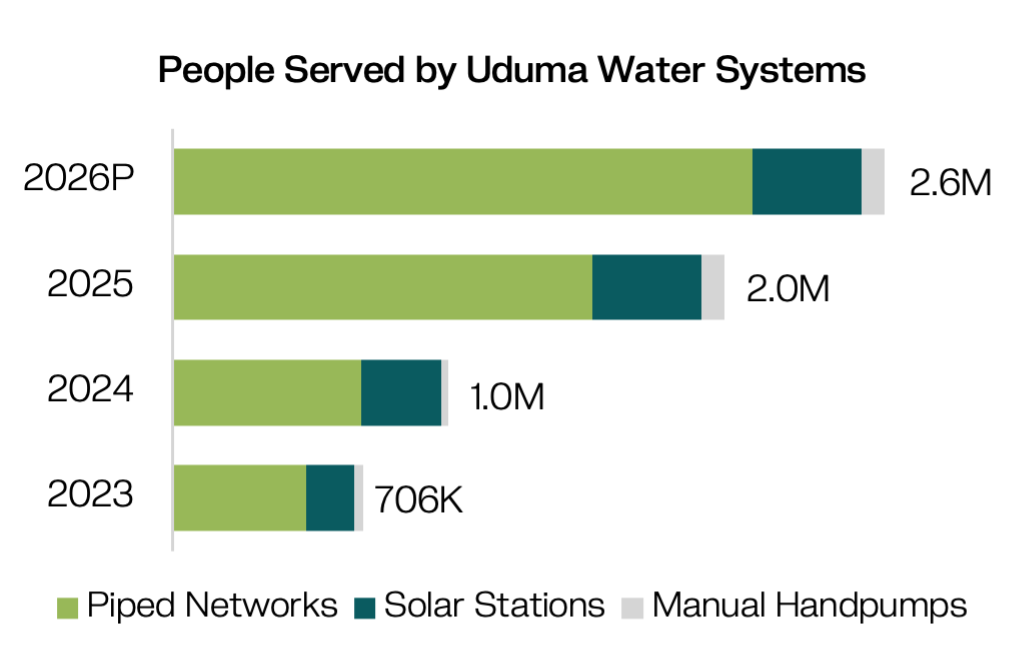
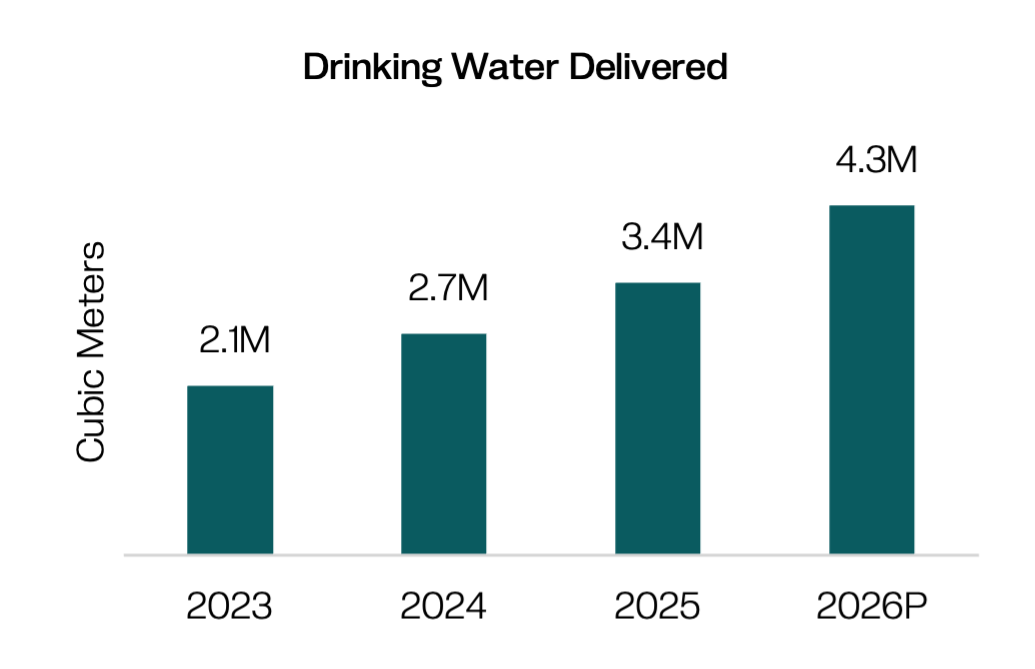
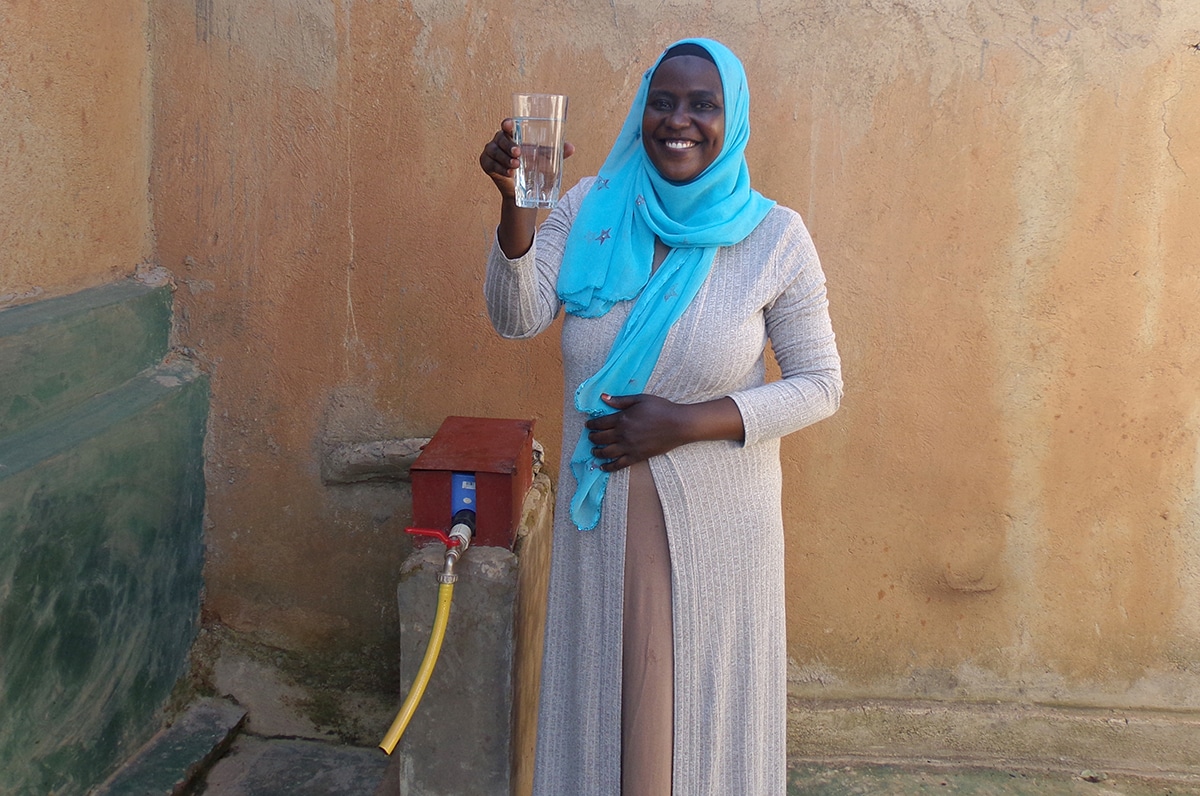
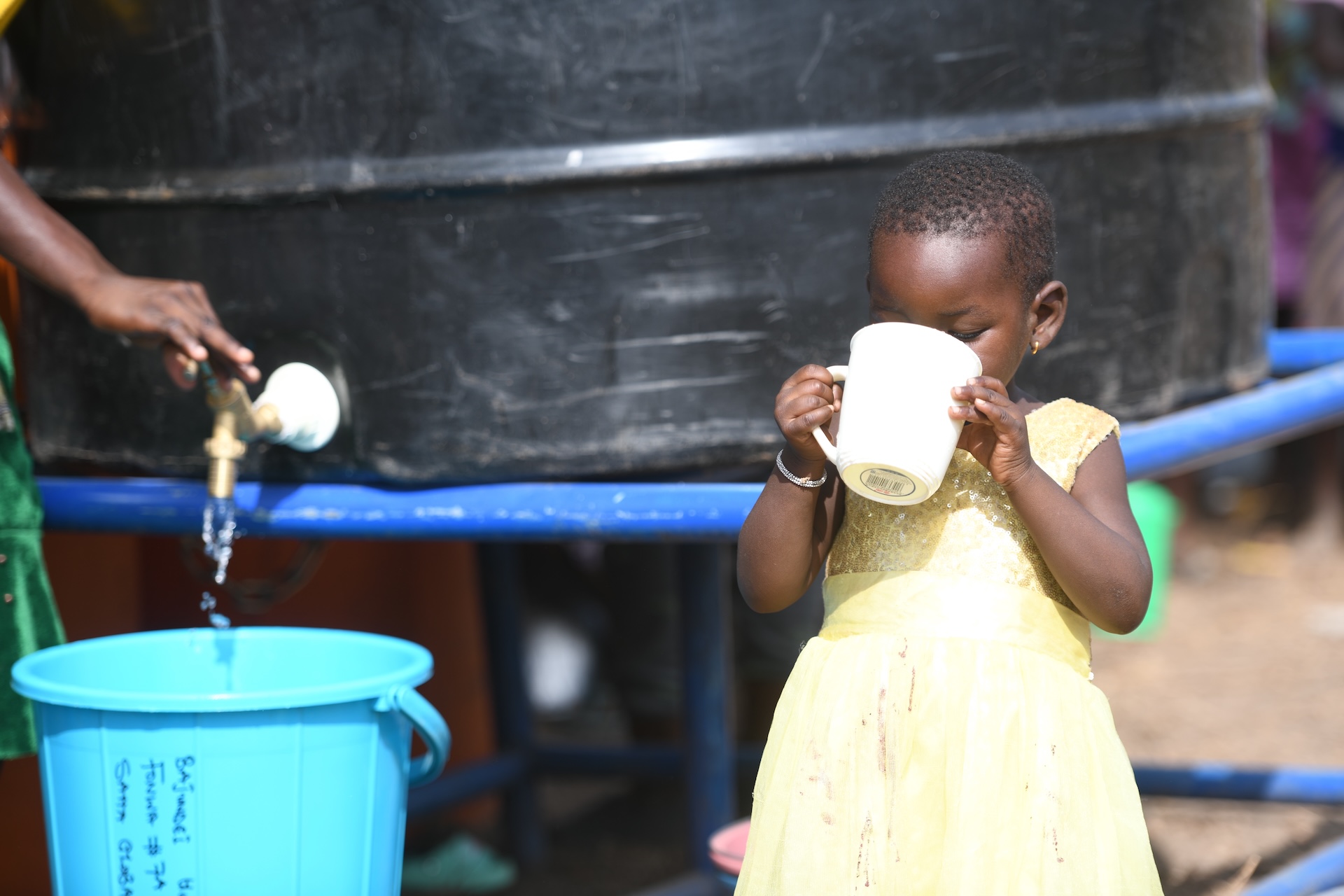
Safe water for all has proven a very tough nut to crack. We think Uduma has the most promising solution to date. Their systems provide reliable access to water, and Uduma is testing the addition of chlorine for cleaner, safe water. Regional implementation in Mali, Burkina Faso , and Côte d’Ivoire led to national scale in Benin. They're showing that their model can profitably serve remote locations with affordable water—a big idea for Africa and beyond.
The Model
A solution that works and can scale.
Get government contracts
Bundle water projects at scale—supporting governments to design district-wide coverage to ensure profitability while reaching the last mile
Build or update infrastructure
Water infrastructure paid for by governments (or in short term, NGOs)
Charge for water
Align on payment expectations, and prove willingness to pay
Local maintenance
Train teams at the community level to maintain high uptime, set up as a water utility using tech to optimize
Potential for Impact at Scale
Mulago uses four criteria to gauge potential for exponential impact. The model must be:
This is about impact and evidence. Currently, Uduma is delivering chlorinated water in Benin, which evidence suggests can reduce the odds of under-5 mortality by ~25% . They’re not chlorinating yet in Mali, Burkina Faso, and Cote d’Ivoire, but are piloting how it might be added. Without chlorination, improved water can reduce risk of diarrhea (a major cause of under-5 mortality) by ~20% . Uduma’s focus on up-time (they maintain 89% or higher in all 4 countries) is also critical because exclusive consumption of safe drinking water is key to reducing health risks, especially in areas with baseline water sources are untreated.
This is about scope. So far, Uduma has proven their model can work at national scale in Benin, and more locally in Côte d’Ivoire, Mali, and Burkina Faso. Other countries are interested, but the rural utility model will only work where the government has the dough and will to invest in first updating the last mile water infrastructure. Uduma needs to gather intel and systematically prioritize their prospects for “the next Benin.”
This is about whether other businesses can deliver the model. Uduma is rightfully focused on improving and maximizing profitability in their current geographies, so that they can learn what works as they find their next great government partner. They are exploring automated payment options which will make it easier for the operators, but more expensive for governments up front, so simple and cheap enough are in tension.
This is about what the model costs if delivered by businesses and whether customers are willing and able to pay. Uduma has successfully negotiated government contracts for improved water systems and are exploring philanthropic funding and carbon credits as avenues to pay for adding chlorination. Payment collection rates have been decent and at ~$2/person/year it seems cheap enough for customers to afford. However, Uduma currently operates at a loss in most countries, so optimizing for profitability continues to be a focus here as well. Operational profitability at full coverage will be what inspires other governments and businesses to partner up on the rural utility model.
.png)
Uduma is in Growth Stage, tuning the model and expanding into new markets.
Our Take
Uduma leverages government mandates to deliver improved water to remote communities, and while we believe that improved water is worthy of scale across Africa, we support Uduma in their aspirations for expanding chlorination (for greater health benefits). Their country-wide coverage model guarantees access for the most remote—and otherwise unprofitable—areas. They’ve actually made it work in Benin and have made good progress in three other countries. We think the utility model is a promising path to big scale, with a model that will be attractive for other business to replicate once that pathway to profitability is clearer. Other countries are interested, but it remains to be seen how many governments have the dough and will to invest in last mile water infrastructure.
Are you a serious funder and want to learn more?
This is just a snapshot of what we know about the organization. If you're an investor or funder that might send some serious dough their way, we're always delighted to share more. Reach out and we'll connect you with the right person on our team.
*this is not monitored for funding requests.
.jpeg)
.JPG)