Labhya
Poverty makes everything harder, and stress stifles learning.
The Idea
A Well-being Class for Kids
Fellow
Richa Gupta
Mulago Lead
s

.jpeg)

Total Investment
700000
Grants
0
Equity/SAFE
0
Debt/Convertible Debt
Funded Since
2023
Geography
Sector
Structure
The Mission
Happier learners.
How It Works
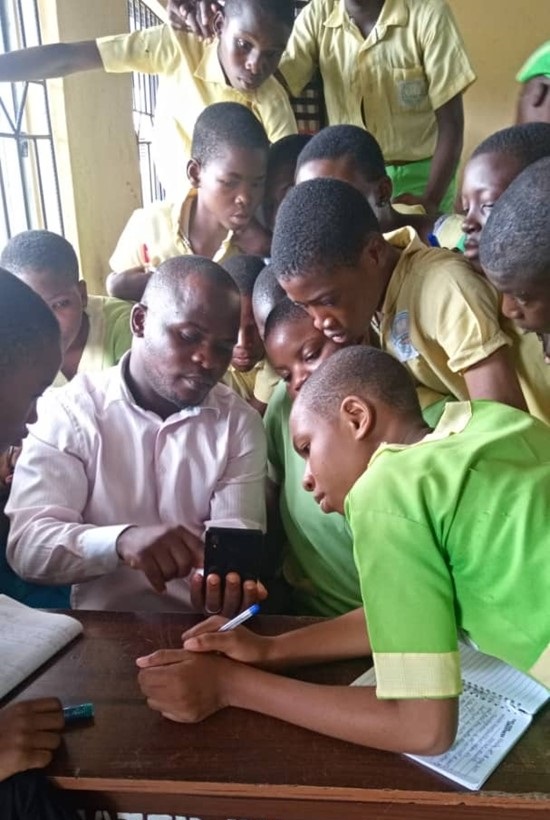
Labhya created a daily, standalone well-being class for Indian public schools. Teachers use scripted mindfulness stories and activities that help kids to be present, cope with challenges, and connect with others. The class is the first one each morning and establishes a tone for all that follows in the school day.
The Dream
Mindfulness classes become a standard feature of education in public schools across India.
Why We're In
Mindfulness training as a structured part of the day in public schools is a wonderfully bold idea. Labhya has a commitment to rigor that makes them just the right organization to do this, and early evidence shows that kids are less anxious, more engaged, and doing better in class—they’re happier. We’re impressed with how they’ve engaged and worked with state governments. By making something unconventional work, Labhya has a chance to change how entire systems think about and deliver more effective education.
The Model
A solution that works and can scale.
Well-being Curriculum
Guided mindfulness sessions, storytelling, reflective conversations, and group activities for public school students in grades K-8. Content is evidence-based and derived from Harvard’s Clover Model of Youth Development. Lesson plans are co-created with government master trainers – teachers, academics, and state officials.
Teacher Training
Master trainers lead intensive trainings of teachers (~12 days/year) with quarterly follow-up, feedback loops, and Whatsapp nudges.
Daily Delivery
30-minute daily course at the beginning of the school day, integrated into all students’ schedules.
Potential for Impact at Scale
Mulago uses four criteria to gauge potential for exponential impact. The model must be:
This is about impact and evidence. Labhya has preliminary results from a 2-year, 3rd party Randomized Control Trial, which point to meaningful gains in math and reductions in anxiety. Self-reported anxiety is a complicated metric for young kids and the exact link between improvement in mental health and academic gains is a priority for Labhya to interrogate.
This is about scope. There are 190 million K-8 students in India’s public schools and estimates suggest that at least one in four adolescents experience depression. They’ve made it work to date in 3 Indian states, and success in Gujarat, their biggest state, can be a signal if it can work in the rest of India.
This is about whether governments can deliver the model. Their RCT shows that government can implement with a lot of support from Labhya . But we don’t know how many schools and teachers are currently implementing with fidelity – Labhya estimates just 60%. Before they scale, the priority is to understand what’s actually happening in schools and simplify the model so that teachers will do this and governments can monitor.
This is about what the model costs if delivered by government and whether government is willing and able to pay. States pay ~$0.30/kid in marginal costs to implement. Cost drivers include additional allowance for teachers for 12 days of training/year, meal expenses, training materials, and venue rentals. Labhya still incurs a cost of $0.50/kid for change management, training and monitoring – though this may rise as Labhya improves quality. At scale, these costs are assumed to be baked into government budgets and likely wouldn’t require additional spend.
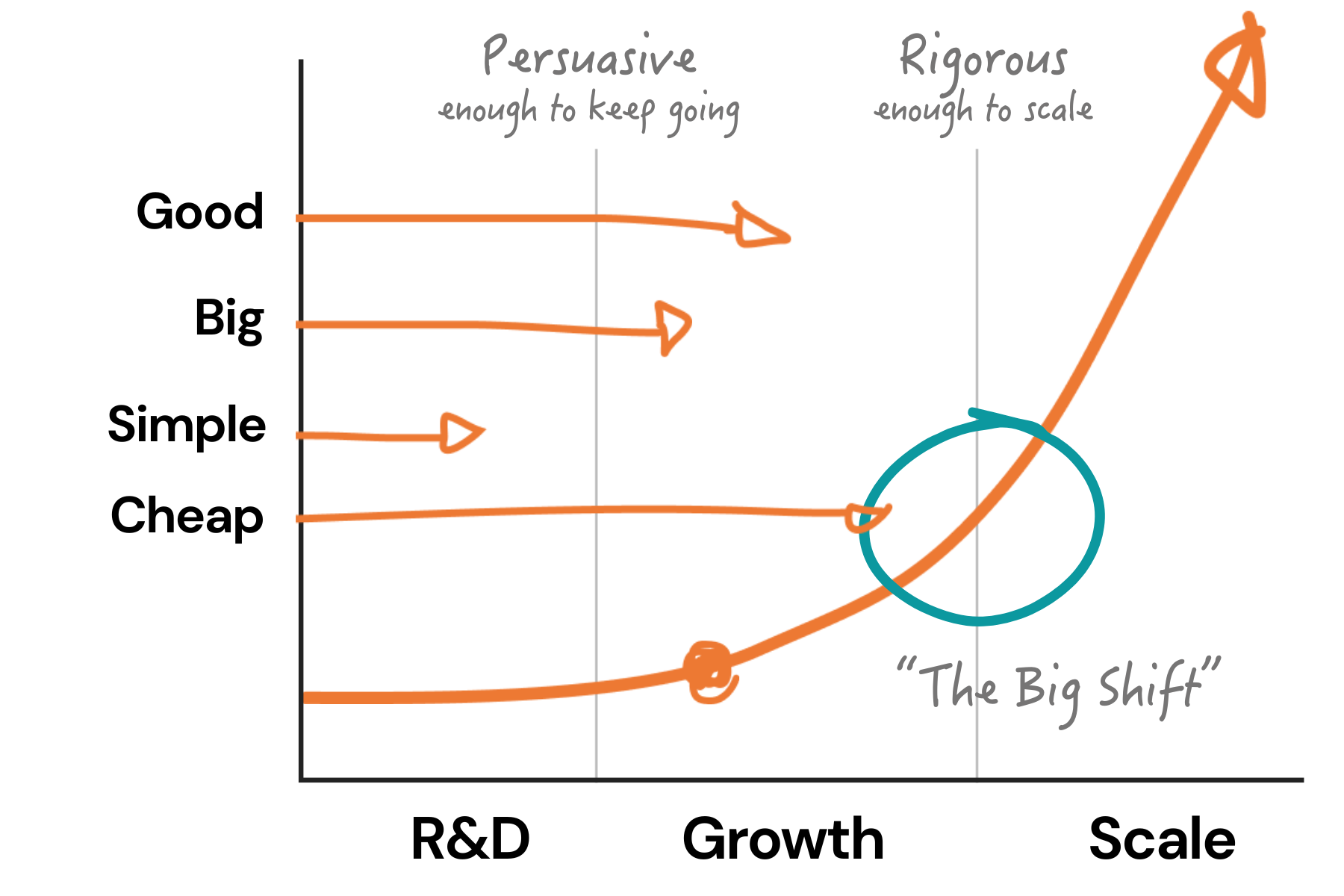
Labhya is making its way into growth.
Our Take
Well-being is embedded in school curriculum in 3 states and a 4th, Gujarat, will be its biggest yet. Their upcoming RCT results in well-being and math look like they will be persuasive, and provide a solid foundation to keep them going. But there are big questions about the links between well-being and learning and what impact looks like without tight oversight from Labhya. At $0.30/kid marginal cost for governments, it’s cheap for this stage. What lags behind is simplicity of the model and a monitoring system that shows that teachers are actively implementing with fidelity. They need to get this right before they scale.
Are you a serious funder and want to learn more?
This is just a snapshot of what we know about the organization. If you're an investor or funder that might send some serious dough their way, we're always delighted to share more. Reach out and we'll connect you with the right person on our team.
*this is not monitored for funding requests.
.jpeg)