
Karya
Two billion people work in the informal economy in unstable, underpaid jobs. Meanwhile, the AI boom is generating enormous demand for local data, but companies have no easy way of getting it fairly.
The Idea
Digital Gig Work
Fellow
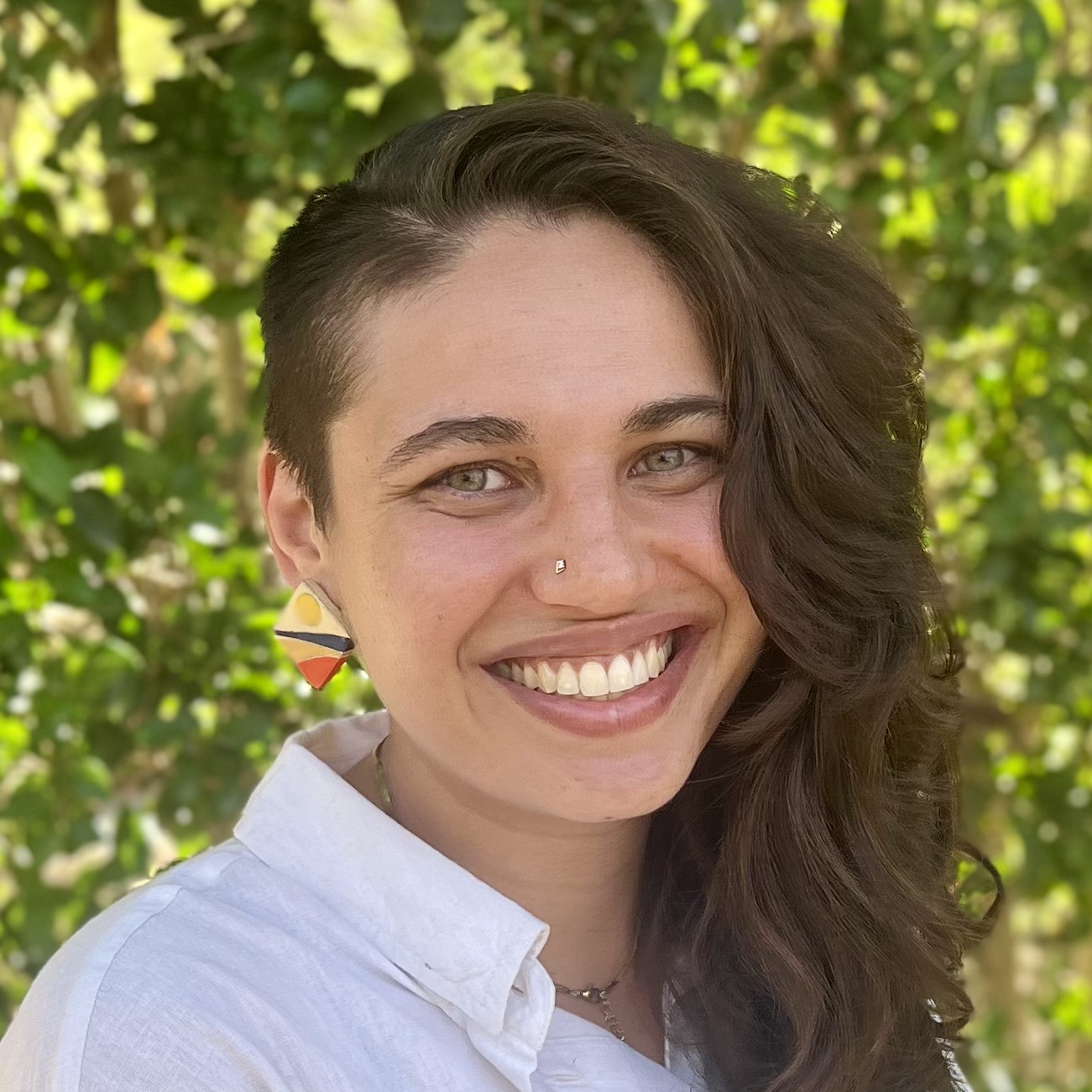
Safiya Husain
Mulago Lead
s

Total Investment
350000
Grants
0
Equity/SAFE
0
Debt/Convertible Debt
Funded Since
2024
Geography
Sector
Structure
The Mission
Increase incomes for workers.
How It Works
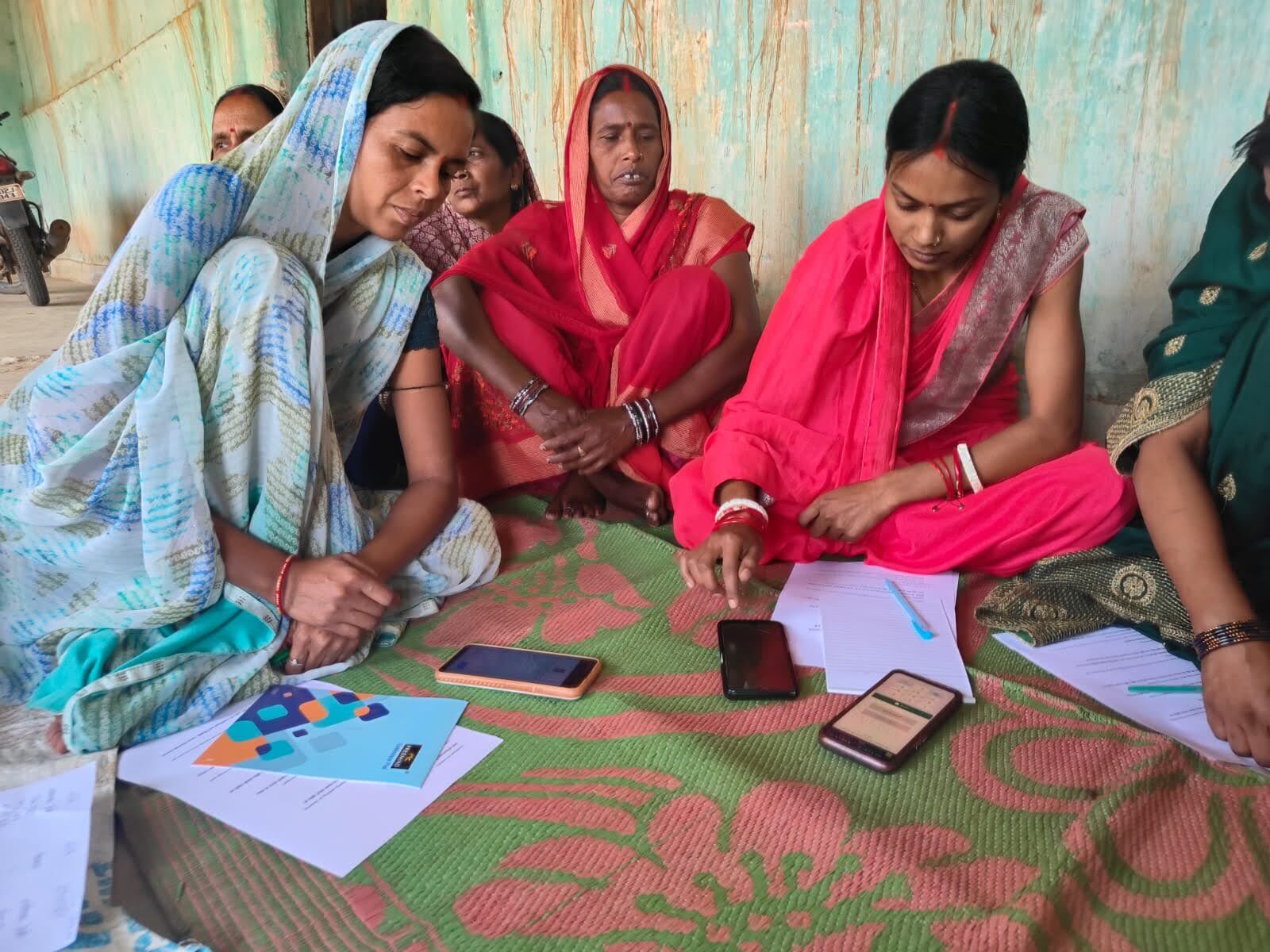
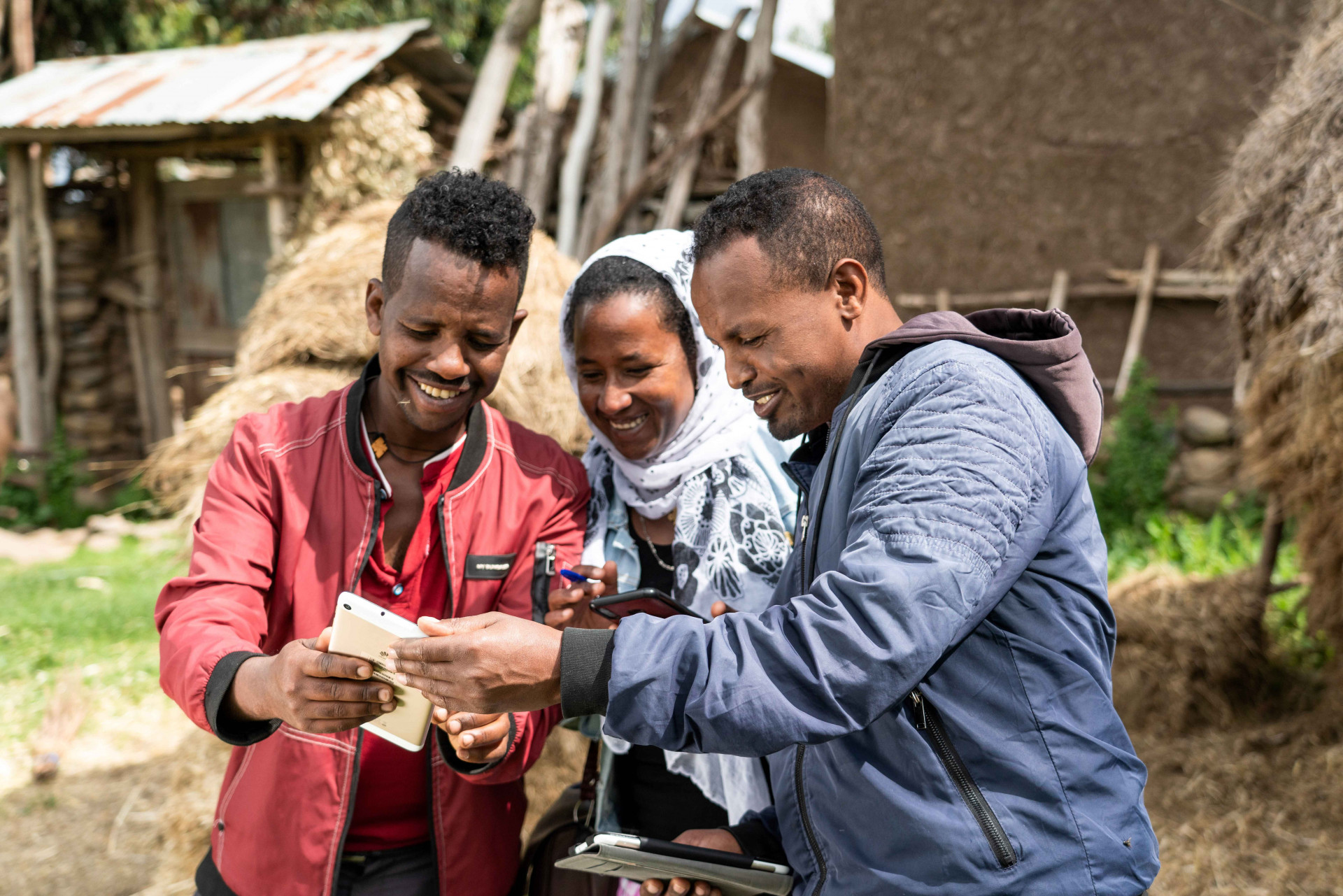
Karya routes AI companies’ demand for training data directly to rural workers in India via a mobile platform. Workers can spend a few hours a day completing data collection, annotation, translation, and evaluation tasks, and get paid multiples more than India’s minimum wage. They build skills with each gig and are offered more complex work that commands higher wages.
The Dream
Millions of low-income workers worldwide earn meaningfully higher incomes through fair gig work, created by a market of tech companies and governments needing AI data services.
Why We're In
Karya is creating a new class of workers in a rapidly changing sector—no small feat. They’ve already disbursed $3.5M in wages, with clients including Google and Microsoft. Income gains are modest so far, but their goal of a 25% overall income increase would make it transformative. If this goes big, it will be via the market. Karya is pushing for fair wage regulations so worker income grows with the industry.
Delivery

The Model
A solution that works and can scale.
Market Demand
Clients contract Karya to collect or annotate data
Digital Platform
Karya’s platform breaks down client work into micro-tasks, making the work available on their mobile app and allowing remote and decentralised sourcing of high quality data
Recruitment
On-board and train low-digital-skill workers onto app, typically through local NGO or government partners
Tasks
Workers complete fair-paying and safe digital tasks directly on the mobile app
Payment
Quick electronic payments post task completion and validation
Upskill
Develop transferable digital skills and gain certifications
Potential for Impact at Scale
Mulago uses four criteria to gauge potential for exponential impact. The model must be:
This is about impact and evidence. Karya workers see an average income gain of roughly $21 on a $400 household income baseline—about 5%. That’s below their target of a 25% average increase, but it’s early. A J-PAL RCT found Karya’s model triples job uptake among women, and makes workers 18 percentage points more likely to apply for formal jobs – a huge increase in a country desperate for more women in formal employment. This year, Karya is launching a dedicated pipeline of frequent, fair digital work for 5,000 of its most vulnerable workers, at least 70% of whom will be women. The goal is consequential income supplementation targeting 40%+ income gains over the year. Their definition of ‘fair gig work’ means fair wages, worker control over hours, and safe digital tasks and work environment.
This is about scope. The global AI data annotation market is roughly $5B annually and growing fast with AI investment. Two billion people work in the informal economy globally; India alone has hundreds of millions of potential workers. Karya already operates across all 28 states in India, and started international pilots in Kenya, Ethiopia, South Africa, and Bangladesh. Requirements to effectively scale outside India include a steady client pipeline of data demands, smartphone access, and e-payments infrastructure.
This is about whether the model could be replicated by others. Right now, Karya is the only player in making digital work available to low-income people through fair, safe and remote work. They’ve proven that the platform works, and that about a hundred-thousand workers understand and can do tasks to a high quality. They’re white-labeling the platform so other orgs can deploy their tech in other markets. In Kenya, Digital Green ran a speech data collection project with Karya’s white-labeled platform that produced a speech AI model that outperformed Gemini and GPT. Constraints to replication are around whether potential partners have the requisite technical capacity or knowledge to maintain the white-labelled platform post Karya’s initial technical advisory service. And if other for-profit businesses see opportunity in working with poor workers in the same way.
This is about what the model costs and whether AI companies will pay. Worker acquisition costs $4.20 today, above their target of $2 per worker. Right now, Karya takes ~30% of contract value, with the rest going straight to workers; the target is to maintain 20% operational fees as the platform matures. They’re winning competitive contracts against for-profit national and global competitors. They are currently working with the IT Ministry to update and improve India’s digital work platform, called Samudaye, and has gained an initial agreement to set a minimum living wage benchmark on the platform
.png)
Karya is in R&D, working to prove both the depth of income impact and the replicability of the platform model.
Our Take
Karya is reversing a decades-long trend: poor people typically benefit from new technologies last. Their early impact data is promising, and we’re looking to see steady gains in income increase approaching their 25% goal. The fact that they pay workers directly and know exactly how much they earn helps their credibility, and their initial JPAL RCT on women’s labor force participation is a big win. AI is booming right now and it seems like the sky’s the limit on scope; but India has tens of millions of potential workers, and we don’t know if there’s enough digital gig work out there. Their software platform is sleek and improving; we’ll learn a lot about whether others can use it with the white label product. It’s a good sign that they’re winning competitive bids, but we’d want to see their worker acquisition cost go down significantly to become even more cost competitive. The big bet here is on AI data becoming a stable, growing industry – only time will tell.
Are you a serious funder and want to learn more?
This is just a snapshot of what we know about the organization. If you're an investor or funder that might send some serious dough their way, we're always delighted to share more. Reach out and we'll connect you with the right person on our team.
*this is not monitored for funding requests.


.jpeg)